- Thailand launched the National Data Centre Business Policy Committee to create a data framework and bring together government agencies
- Data centres are eligible to sign direct power purchase agreements with renewable energy providers
- Local power producers and oil and gas firms have already stated a desire to seek out data centre PPAs but could require outside experience and knowledge
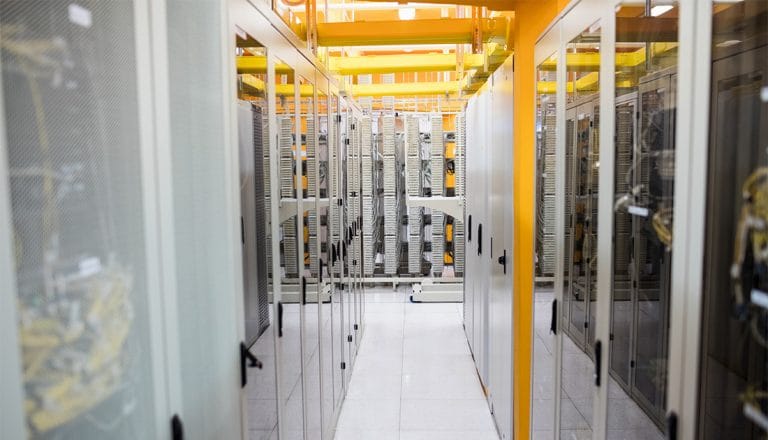
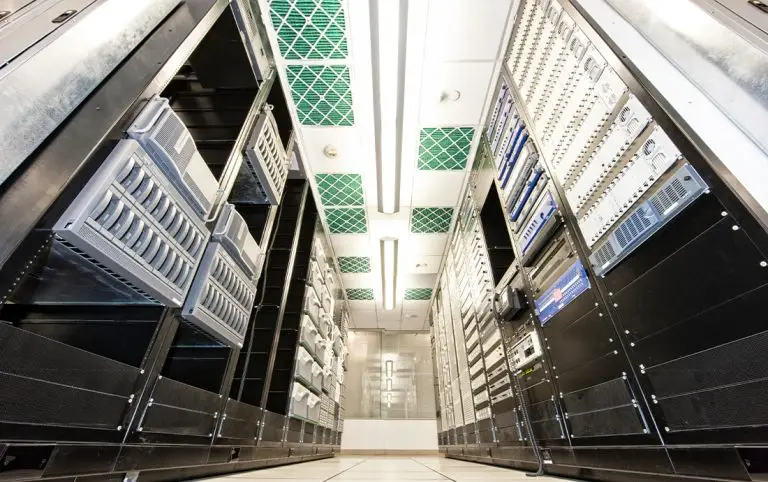
Throughout the first nine months of 2026, Thailand moved ahead toward its data centre ambitions, aiming to become a regional leader. In September, almost USD27 billion in new projects were approved by the Thailand Board of Investment (BOI). That was in addition to 60 completed facilities, 23 under construction and nearly 100 under consideration.
Since the most recent announcement, the sector has faced a reality check. Powering data centres was a concern, but one that had received very little attention. The country relies heavily on gas for energy generation, with much of it imported. This has left Thailand vulnerable to LNG price spikes.
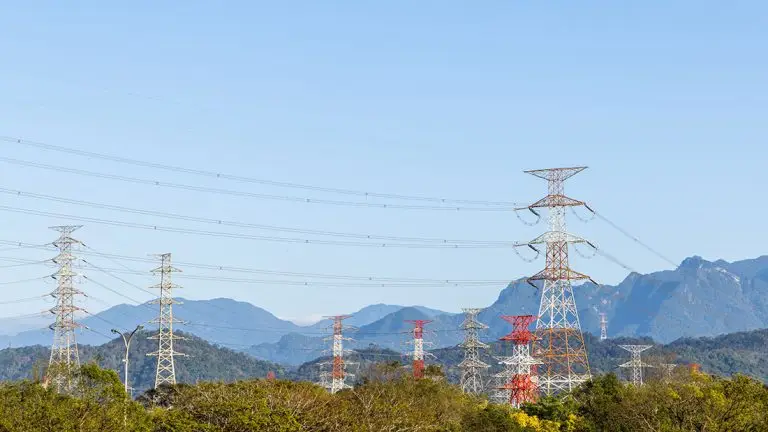
Potential increased demand from data centres, which could approach 2.5 percent of national power grid consumption within the next four years, has become too big for the government to ignore. The country is now trying to balance its desire for overseas investment with energy security.
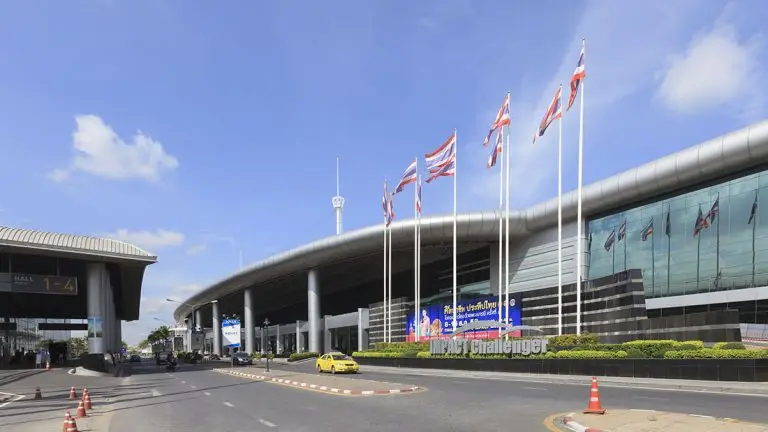
The task was made more challenging because Thailand did not posses a clear framework for data centre development. Different agencies were in charge of different parts of the process. A lack of clarity led to the formation of the National Data Centre Business Policy Committee which has brought together key bodies in an attempt to tackle pressing issues, including guidelines on water usage and how to generate the electricity required to power the approved projects.
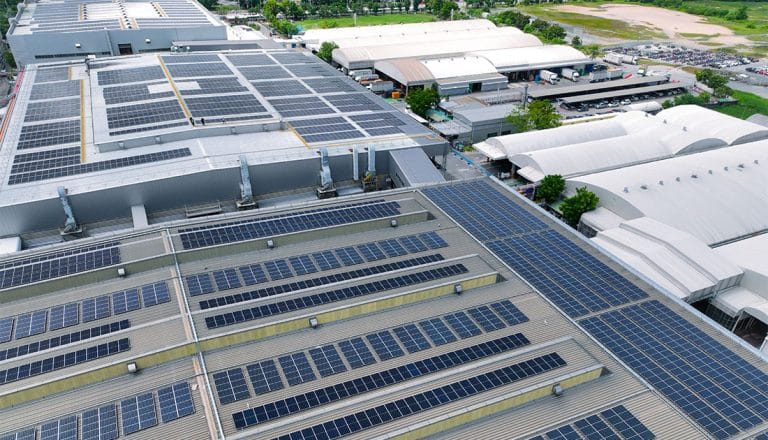
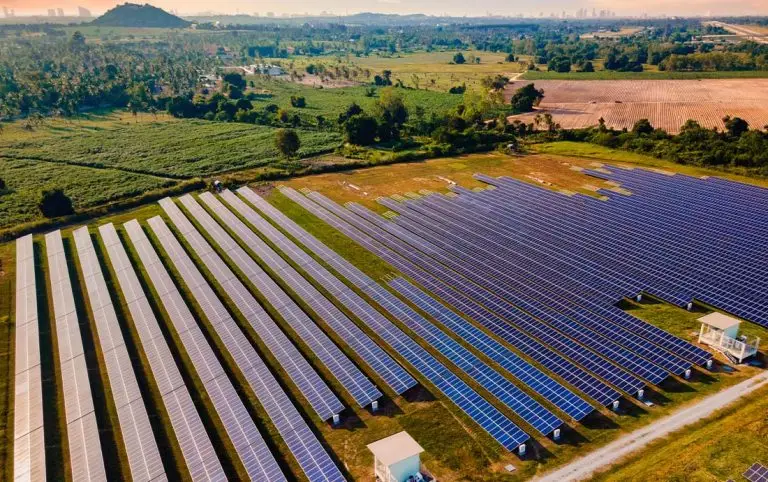
An answer to the power problem could be solar. While a lot of attention has been given to the Ministry of Energy’s rooftop solar programme, the government agency has also made progress on making it easier and possibly cheaper for data centres to utilise renewables.
Making renewables more appealing
The government hopes to compel data centre operators to focus on renewables through two new measures. The first is higher electricity tariffs on data centres which are expected to be placed in their own consumer category per a National Energy Policy Council (NEPC) resolution.
If that is the proverbial stick, then the carrot would be a direct power purchase agreement (PPA) framework that allows data centre operators to buy renewable energy directly from a private generator as opposed to the Electricity Generating Authority of Thailand (EGAT).
A semi-liberalised power market, even one limited in scope, is a major departure for a country which has historically been resistant to the change. It was also a realisation that the status quo would hinder Thailand’s opportunity to become a data centre investment hub.
The 2,000-megawatt PPA pilot was expanded in July with the hope that data centres would take advantage of the programme to avoid higher tariffs. However, questions remain about transmission and distribution charges which will be collected by EGAT.
Finding an agreeable third party access fee for using the grid remains ongoing. The initial rate proposed by the Thai Energy Regulatory Commission has received pushback from all sides. There is concern that an unreasonable TPA will not offer any financial advantage over buying directly from the grid. Discussions remain ongoing.
Opportunity and the need for partnerships
After a period of no oversight, the Thai government is taking steps to ensure data centre development is done in a way that is both sustainable and beneficial to the country. Proof of concept is set to become the standard for project approval.
This is putting the onus on operators, investors and their partners to prove how new facilities will be powered. Thailand has some solar energy producers, while the big oil and gas giants have begun investing in capabilities or are planning to.
Yet many are still lacking the experience and expertise necessary to win data centre PPA agreements. As the approval process sees plans undergo greater scrutiny, so too will their partners’ qualifications.
Recently, the Thai Cabinet approved plans for the Ministry of Digital Economy and Society to launch a Data Centre One Stop Service (OSS) which will screen and approve new projects with a power capacity of 0.5 megawatts or greater. This process is expected to feature an in-depth assessment of environmental impact, water usage and power efficiency, among several other considerations.
Data centre investors must find reliable, experienced renewable energy producers, and local companies will be expected to prove their credentials.
International renewable energy providers with a track record of success should consider partnership opportunities in Thailand, especially if they boast experience in PPAs, which are still relatively new in the country.
Several major local players have already stated a desire to seek out data centre PPAs. Many are now exploring ways to improve their competitiveness. A partnership with a well-known, global organisation is one solution they’re open to.
Clearing local hurdles
Thailand’s initial rush to approve data centres and court investment exposed a lack of cohesion regarding industry regulation. Even with the formation of the National Data Centre Business Policy Committee and the establishment of the Data Centre OSS, rules and regulations are still being created and approved on the fly.
A recent construction pause was enacted so the government could establish a comprehensive regulatory framework. More bumps in the road are likely as the country continues to streamline its approach and better understand what is needed.
Additionally, the Thai public is becoming more aware of data centres and the possible negative environmental impact they can have. The recently approved regulatory framework for data centres focused heavily on resource management, environmental protection and tangible economic benefits to the country.
It remains to be seen if that is enough to assuage public concerns. Household electricity prices remain a sensitive topic in the Kingdom. If data centres cause bills to rise despite PPAs and tariffs, the government could be forced to recalibrate its approach once again.
Final thoughts on Thailand’s data centre ambtions
Uncertainty surrounds Thailand’s attempts to power its data centre targets. Renewables, and solar in particular, provide a viable path forward, and the government has acknowledged this. There is work to be done in terms of finalising the PPA framework and providing a clear avenue for sector investment, but it remains a top priority.
For international firms, this shouldn’t be viewed as a wait-and-see period. Now is the time to examine opportunities and potential partnerships in Thailand. Local players are already putting together plans and establishing relationships. Failing to act could mean overseas companies miss out entirely.
Businesses unsure of where to start, or wanting to learn more, can contact Asian Insiders. Our team of in-country experts can assist with market analysis, partner matching, introductions and other steps that require local knowledge.
To learn more, schedule a no-obligation call with Jari Hietala, Managing Partner: jari.Hietala (at)asianinsiders.com or Axel Blom, Managing Partner, Thailand, axel.blom(at)asianinsiders.com