- The potential of hydrogen and ammonia in Asia is linked to decarbonisation efforts in several sectors, such as steel, chemicals and aviation
- More than a quarter of emissions reductions in Asia Pacific by 2050 will come from hydrogen, ammonia, sustainable fuels and carbon sequestration
- The potential value of the APAC hydrogen market is approximately USD630 billion, according to an estimate from Deloitte
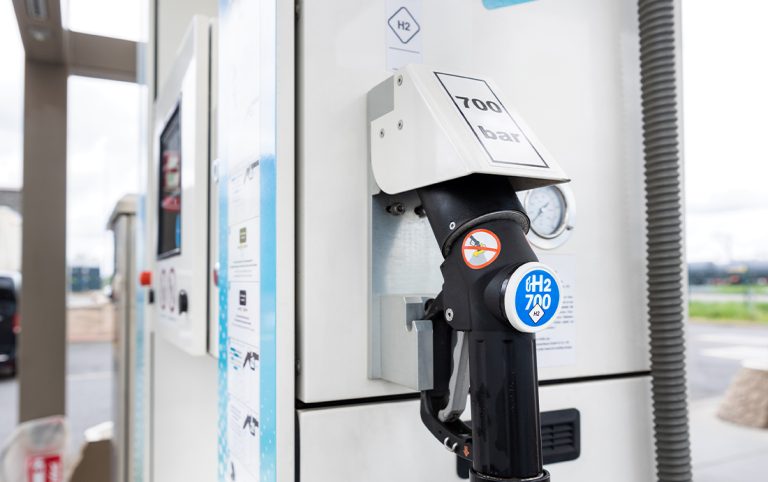
The potential of hydrogen and ammonia in Asia is massive. Key sectors, including steel, industrial chemicals, aviation and shipping, are already exploring how it can be leveraged in decarbonisation efforts. Both are vital if the region is to achieve zero emissions by 2050. The next step is to close the implementation gap and make sustainable fuels a viable solution. Asian Insiders Managing Partner Jari Hietala details the opportunities and challenges.
While the consensus surrounding the potential of hydrogen, ammonia and other new energy commodities (NECs) in Asia had been optimistic, recent research from DNV highlighted just how great it can be. According to the Norwegian organisation, the market for these regionally could surpass USD 1.1 trillion annually by 2050, accounting for roughly three percent of Asian GDP.
Asia is currently the world’s largest producer and consumer of hydrogen. China, Japan and South Korea have already made inroads in the sector. India is expected to emerge as a major player in the years to come. Other countries dependent on manufacturing in high-emitting sectors will likely follow suit. Deloitte believes the potential value of the Asia-Pacific hydrogen market may eventually reach USD630 billion.
Green ammonia should take a large role in both clean energy production and as a fuel in addition to its role as a fertiliser. There have been a few early examples of cooperation which could bode well for its long-term prospects.
For example, South Korea’s LUPro announced a deal with Thailand’s MA Corporation that will see the latter import 1 million tons of green ammonia annually starting in 2027. It was the first contract for the introduction of green ammonia in Thailand.
In India, AM Green inked a memorandum of understanding with BASF in which the German firm agreed to offtake 100,000 tonnes of green ammonia each year.
Signs of progress related to hydrogen, ammonia and other NECs can be found across the region. Building upon these to unlock decarbonisation efforts in high-emitting industries is the next step.
Where are hydrogen, ammonia and other NECs needed?
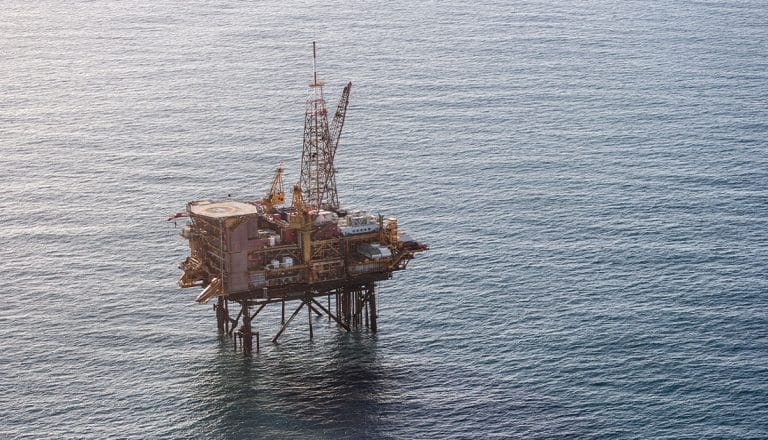
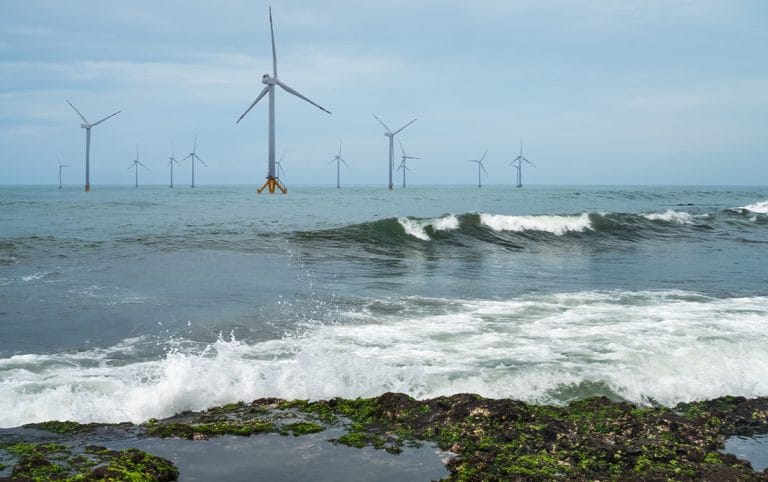
DNV noted that electrification and the expansion of renewable energy will account for the majority of emissions reductions across Asia. However, a handful of critical sectors, including aviation, maritime, steel, power, industrial chemicals and cement, require different solutions.
It is estimated that using hydrogen, ammonia and other NECs in high-emitting activities could assist with upwards of 25 percent of emissions reductions in Asia Pacific by 2050. This is, of course, a best-case scenario, but the impact these can have is massive even if the target isn’t reached.
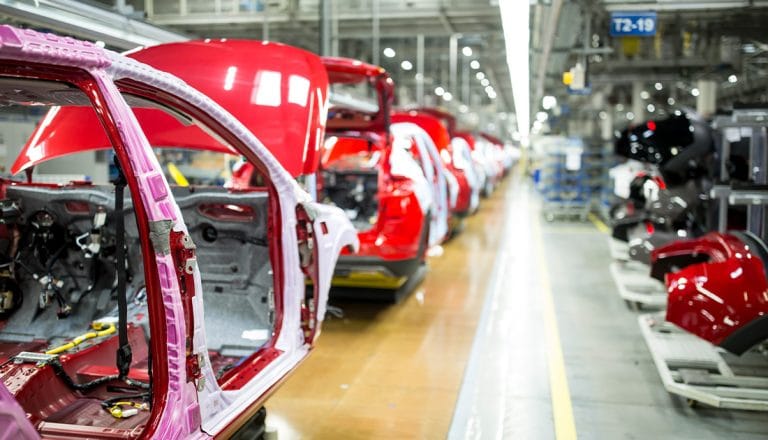
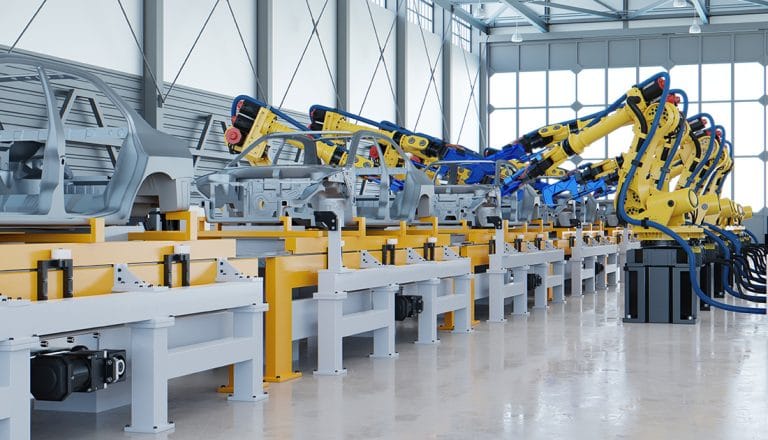
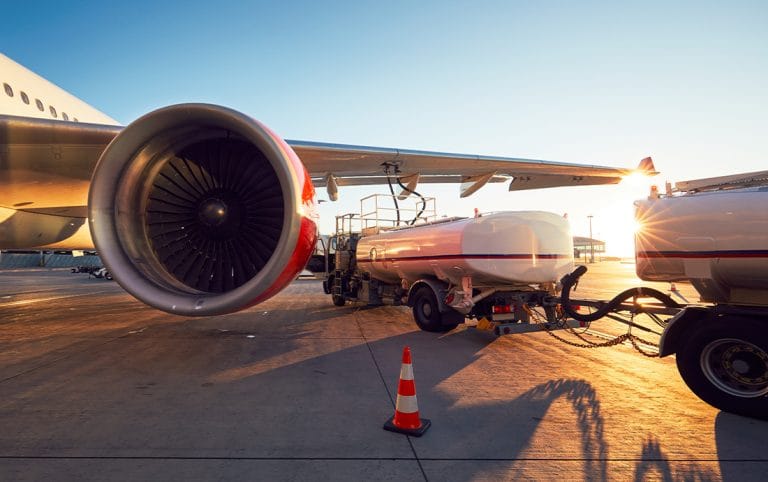
At the moment, the focus on where hydrogen, ammonia and other NECs are best utilised differs from country to country. In some parts of Asia, the emphasis is on aviation and maritime fuel. Its potential for power generation is being explored as well. Most countries have a significant interest in how it can be used to power steel, petrochemical and cement production.
Policy takes shape
A positive development when it comes to unlocking the potential of hydrogen and ammonia in Asia has been the willingness of governments to support efforts. In particular, several countries have dedicated actions in place to promote hydrogen activities.
China – The National Development and Reform Commission (NDRC) has placed the hydrogen value chain in the Catalogue for Encouraged Industries for Foreign Investment.
India – The National Green Hydrogen Mission was launched in 2023 with an annual production target of five million tonnes set for 2030. The country permits 100 percent foreign direct investment in the sector. Governmental approval requirements have also been waived.
Japan – The Ministry of Economy, Trade and Industry has begun awarding contracts under the USD20 billion Contracts for Difference scheme. The plan focuses on developing domestic low-carbon hydrogen production.
Korea – Progress continues to be made under the country’s Hydrogen Economy Roadmap which went into effect in 2019. Last year saw the implementation of a certification system designed to incentivise the production of clean hydrogen.
Singapore – In 2022, Singapore launched the National Hydrogen Strategy which included several goals, including building up the supply chain, developing infrastructure and prepare for domestic deployment.
Overcoming obstacles
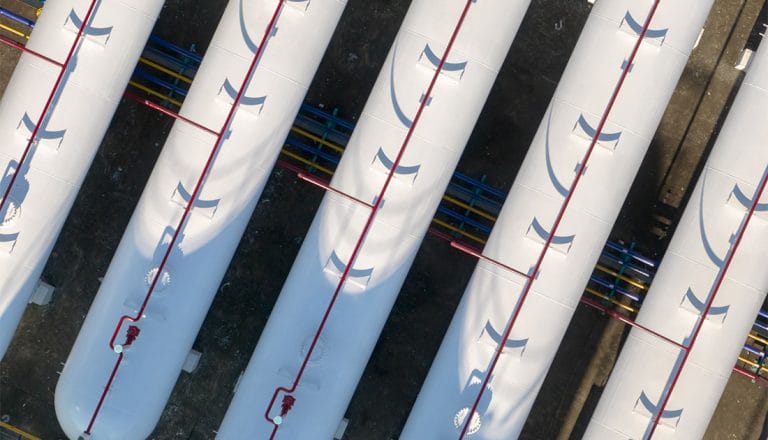
The largest obstacle related to hydrogen in Asia is affordability, or a lack thereof. According to HSBC, only one percent of hydrogen produced in the region is classified as green. To that end, manufacturing grey hydrogen from fossil fuels remains significantly cheaper than its green counterpart. There is hope that more renewable energy investment can support a faster transition, but the situation bears monitoring.
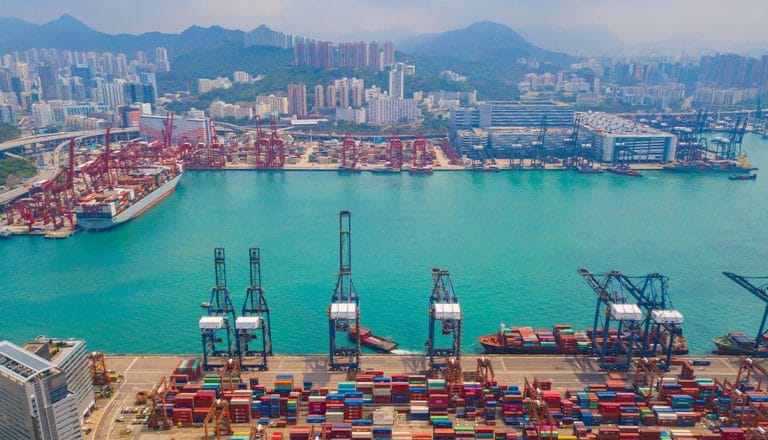
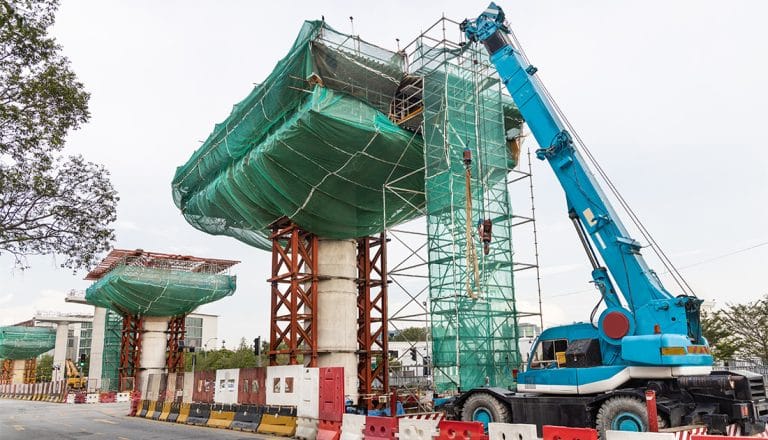
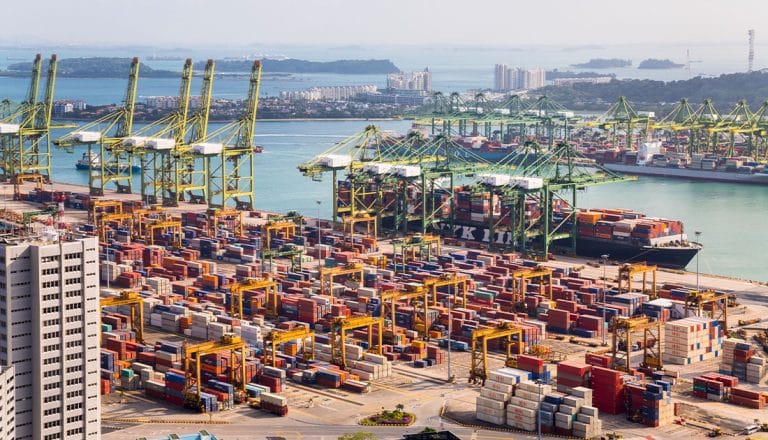
Another pressing issue as it relates to hydrogen, ammonia and other NECs is infrastructure. Almost 200 new ports and more than 1,200 carriers are going to be needed for NEC production and trade in the region. Additionally, domestic transportation capabilities must also be constructed.
Finally, countries are still developing technological, financial, and regulatory frameworks for NECs. As mentioned above, there has been promising movement on this front, but the situation remains far from settled.
Tapping into the potential of hydrogen and ammonia in Asia
Opportunities for foreign investors across the hydrogen and ammonia value chains are now abundant. These are not limited to a single area or technology. Infrastructure, production and deployment technologies, as well as knowledge, are in high demand. Importantly, several governments support the expansion of capabilities and projects through policies and investor-friendly schemes.
The potential for growth in Asia is worth considering as well. If countries are to reduce emissions in line with current commitments, significant investments will be necessary in the short- and long-term.
For overseas entities considering market entrance, identifying the right opportunities is vital. There is a lot of activity happening, but each country has different needs. There are local regulations to consider as well.
That is why working with a specialist like Asian Insiders can be beneficial. Our team of local experts ensures you understand what is required for success and can assist in key functions, such as partner matching and sales channel development. This removes the guesswork of market entrance.
To learn more about hydrogen, ammonia and NEC opportunities in Asia and assess your readiness to enter the market, schedule a no-obligation call with Jari Hietala, Managing Partner: jari.Hietala (at)asianinsiders.com