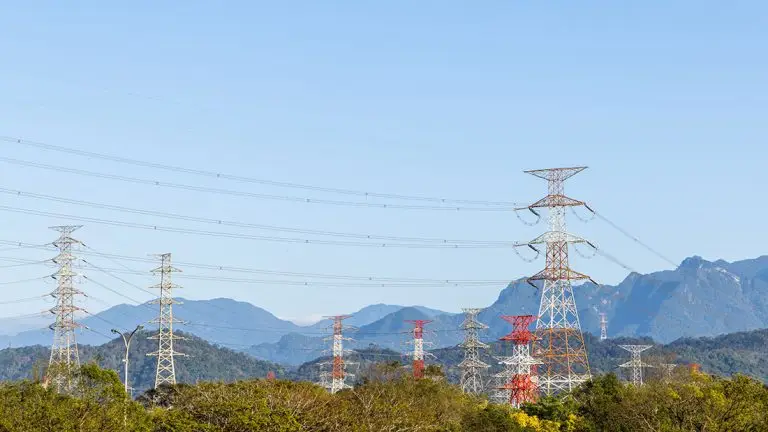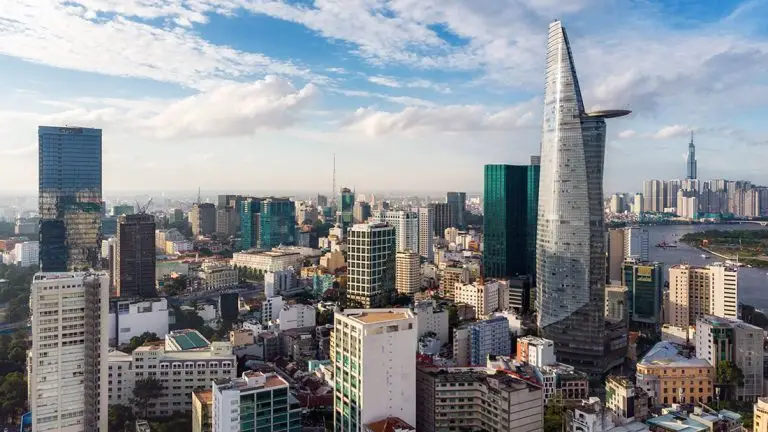
- Energy security challenges as well as clean energy targets have seen countries prioritise the ASEAN Power Grid and greater regional cooperation
- The ASEAN Power Grid Financing Initiative is supported by the World Bank and the Asian Development Bank
- More than USD750 billion will be necessary for the grid’s transmission and power generation requirements
When the World Bank and the Asian Development Bank combined to support the ASEAN Power Grid Initiative, the oft-discussed project took a massive leap toward becoming a reality. Funding had long been holding back efforts, but the initiative is expected to stimulate investment. With a 2045 target in place, the race is now on to develop a comprehensive regional power grid. Asian Insiders Managing Partner Jari Hietala provides an overview and highlights opportunities foreign companies should consider.
The ASEAN Power Grid is hardly a new idea. The concept was first floated in the early 1980s, but nothing progressed beyond talk and planning until 1997. At that point, it was included as a key initiative in the wide-ranging ASEAN Vision 2020.
In 1999, amid the backdrop of the financial crisis, the bloc announced plans to prioritise interconnection projects in a bid to boost efforts. The ASEAN Power Grid’s Roadmap for Integration was finalised in 2002. Work has been carried out in the years that followed, and there is now 7.7 GW of regional electricity capacity.
Progress on an interconnected regional power grid has not been as swift as hoped due to various reasons. However, the project has recently come back into focus for two notable reasons.
First is the ongoing global oil crisis. The impact of this is being acutely felt in Asia where several countries rely heavily on imports for power generation. Disruption has caused prices to rise or necessitated government intervention, making energy security a priority.
Second, the success of the Lao PDR-Thailand-Malaysia-Singapore Power Integration Project (LTMS-PIP) has provided a clear template which can be utilised moving forward. The project launched in 2022, and in 2024, export capacity was doubled to 200 MW.
The time is now
Funding has been the biggest issue for the ASEAN Power Grid over the past two decades. A study conducted by the Heads of ASEAN Power Utilities/Authorities and the ASEAN Centre for Energy found more than USD750 billion was needed to build the necessary transmission and power generation.
In the past, potential projects were deemed too risky, which led to efforts stalling out. That is now changing with the rollout of the LTMS-PIP. In 2025, the ASEAN Power Grid Financing (APGF) Initiative was announced by the World Bank and the Asian Development Bank (ADB). It will provide financing and technical assistance across a wide range of areas in addition to investor support. The target is to have the ASEAN Power Grid functional by 2045.
Additionally, both banks made substantial initial financial commitments. The ADB has pledged up to USD10 billion while the World Bank has promised USD2.5 billion under its Accelerating Sustainable Energy Transition Program.
The private sector has now taken note. At the recent Nusa Dua Forum, prominent industry figures noted investment and financing were becoming more viable. While many questions remain, the tide appears to be shifting in favour of a regional power grid.
ASEAN Power Grid opportunities
For the ASEAN Power Grid to reach its full potential, countries will need to develop and strengthen institutional, market and technical capacities. This is creating opportunities for overseas firms in several areas.
Engineering/Consulting
Entities with knowledge and proven experience in the planning, design and deployment of cross-border power projects are needed. Much of this is limited in ASEAN at present so organisations capable of solving existing problems will be crucial in development.
Microgrids
The ASEAN Power Grid won’t solely feature massive projects. Given the region’s geographic features, cross-border microgrids are another potential solution. A few are already being developed as part of bilateral agreements.
Subsea cable infrastructure
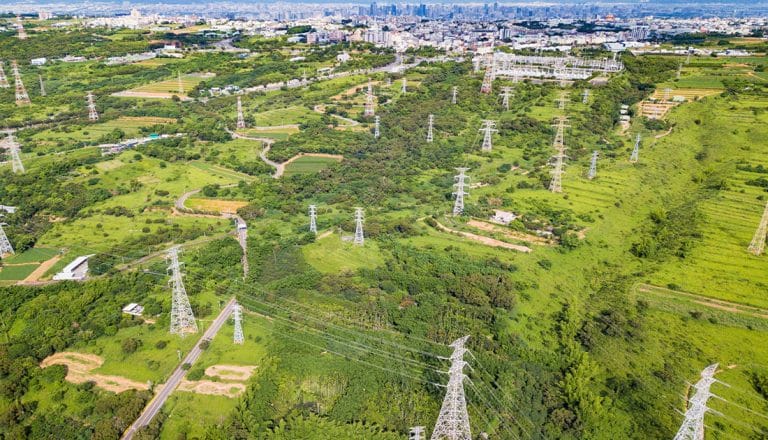
Subsea cables and the related transmission infrastructure will be paramount in the development of the ASEAN power grid. Some progress has been made, but both equipment and expertise are required.
Energy storage
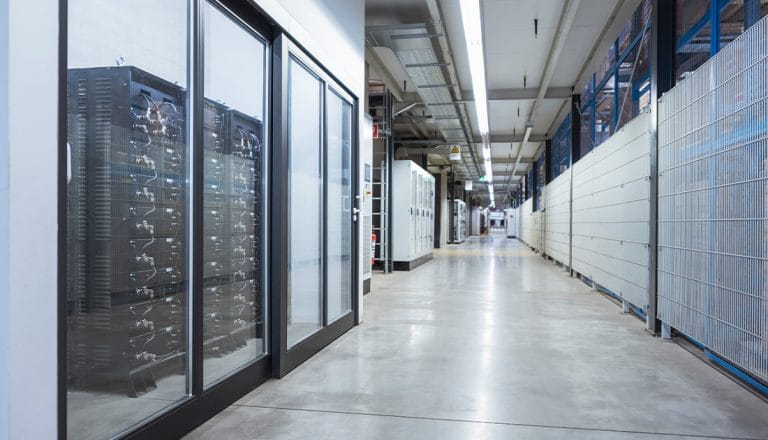
Energy storage is an ongoing challenge in several Southeast Asian countries and is not only a roadblock to an interconnected power grid but also to renewable energy deployment. Various storage systems, most notably BESS, are in demand.
Is this a realistic project?
Scepticism surrounding the ASEAN Power Grid remains. The fact this idea was floated more than 40 years ago and has made only limited progress doesn’t instil much confidence on the surface. There is still no shortage of challenges facing the project despite the current momentum.
History shows discussion of an interconnected power grid tends to occur at times when energy security is threatened on a regional level. Once a threat has passed, governments turn their attention and resources elsewhere. Should the global oil crisis subside, there is a possibility interest in the project wanes.
Yet the largest obstacle to a successful ASEAN Power Grid remains the fragmentation of existing grids. Countries have differing standards and regulations for their power grids. The process to improve infrastructure varies significantly from country to country. Getting everyone on the same page can be time consuming.
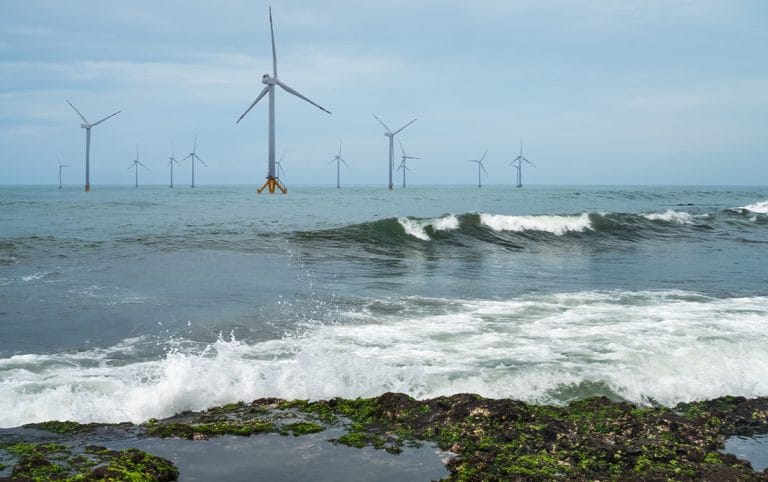
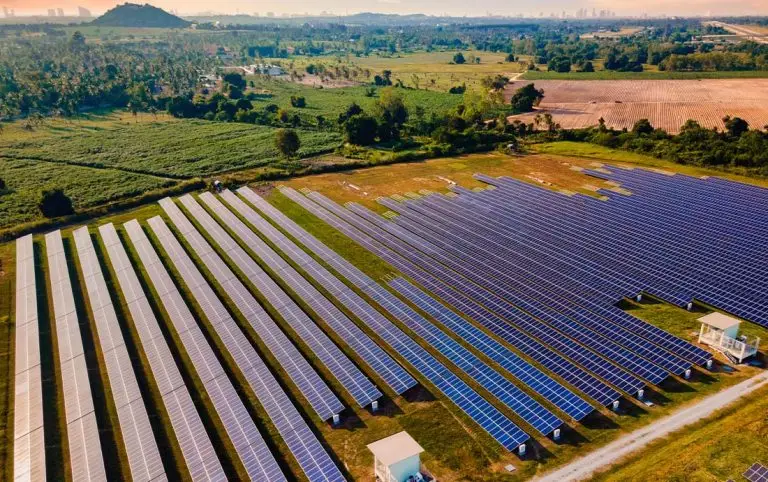
There is also the challenge of building the proper infrastructure to harness renewable energy in several countries, including Thailand, Vietnam and Malaysia. Energy production from solar, floating solar and wind continues to grow, but storage remains limited. This must be addressed in addition to developing an interconnected grid.
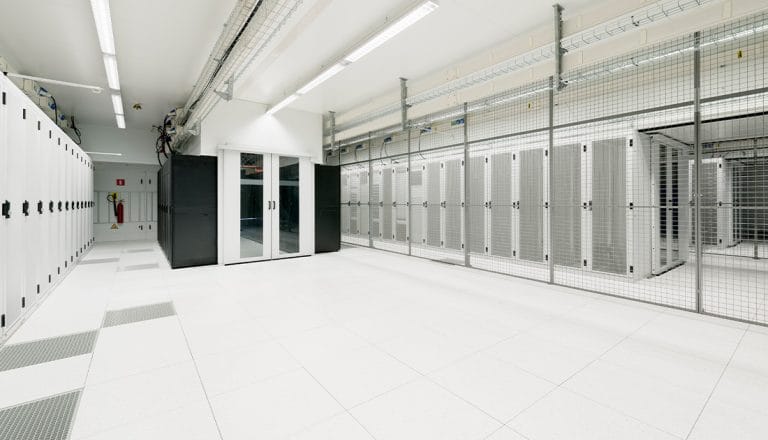
Finally, securing long-term purchase agreements remains an ongoing process. Data centres, which require massive amounts of electricity, are seen as a possible answer.
Final thoughts
The ASEAN Power Grid is hugely important to regional energy security, but that has been the case dating back to those original discussions about it in the 1980s. The two major hurdles over the years were funding and a limited proof of concept.
Neither is a problem today. The LTMS-PIP and other smaller projects are showing the challenges of cross-border power grid integration can be overcome. Meanwhile, support from the World Bank and ADB makes investment far more palatable.
As work begins on deployment and scale, overseas companies with equipment, technology, knowledge and experience will fill key gaps. That being said, identifying these opportunities requires an on-the-ground presence and an understanding of local markets.
A partnership with Asian Insiders allows firms to tap into their robust network and industry-leading resources. From finding potential opportunities to facilitating stakeholder introductions, our team can assist with the more difficult aspects of market entry.
To learn more about power grid opportunities in Southeast Asia, schedule a no-obligation call with Jari Hietala, Managing Partner: jari.hietala (at)asianinsiders.com.