- EV sales in Asia increased drastically in March with India, Korea and Thailand all reporting strong demand
- Infrastructure challenges and a lack of knowledge and technologies continue to stand in the way of greater adoption
- Several countries have introduced incentive programmes and schemes to encourage foreign investment in EV infrastructure
The global oil crisis caused EV sales across Asia to skyrocket in March. It is a positive development, but has also highlighted existing problems, namely a lack of infrastructure. For overseas firms with proven technologies and expertise, market entry should be a priority. Asian Insiders Managing Partner Jari Hietala shares insights on the situation and where opportunities can be found.
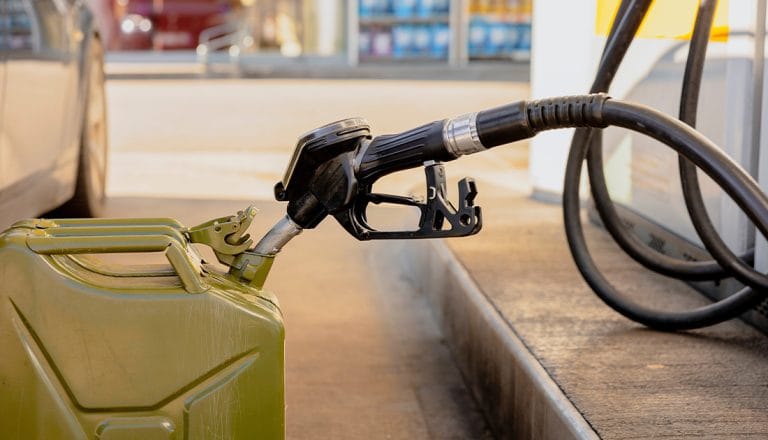
Asia has been most affected by the ongoing global oil crisis. The closure and ongoing difficulties in fully reopening the Strait of Hormuz have caused petrol prices across the region to rise sharply, upwards of 100 percent in some countries. Meanwhile, shortages are leading to long queues at stations and creating public concern.
Consumers in many countries are accelerating purchases of battery electric vehicles (BEVs) and hybrid electric vehicles (HEVs). India, South Korea and Thailand all recorded notable increases in sales during March.
Unlike previous global oil crises, this one is shaping up to be different. In the past, consumers and governments had no other option than to ride out the storm. That is no longer the case. EVs and the corresponding infrastructure are competitive in terms of pricing. They also eliminate the need to rely on unpredictable crude oil imports.
Yet, more EVs on the road could create issues as markets have yet to develop the required infrastructure to support sudden growth. Overseas firms with the required products and expertise are encouraged to consider entry.
Examining soaring EV sales in Asia
India
EVs accounted for more than five percent of new car sales in India during March, according to the Federation of Automobile Dealers Associations (FADA). Local manufacturers noted a significant uptick in demand. Tata said interest in EVs rose by 20-30 percent while JSW MG Motor India saw growth surpass 25 percent.
Korea
Year-on-year EV registrations in South Korea more than doubled in March. Chinese manufacturers saw strong sales while Tesla reportedly delivered more than 11,000 automobiles during the month. Interestingly, used EV sales rose by nearly 50 percent, according to Korean automotive data research institute Carisyou.
Thailand
In Southeast Asia, Thailand has been a leader in EV adoption. The oil crisis has shifted this into a higher gear. At the Bangkok International Motor Show 2026, often seen as the barometer of the country’s auto industry, EV bookings rose by 72 percent when compared to the 2025 edition and accounted for 76 percent of all bookings in 2026. Additionally, EV sales are gaining traction outside of Bangkok for the first time.
Vietnam
Vietnam continues to be a success story in terms of EV adoption. Approximately 33 percent of passenger vehicles sold in the country last year were electric. The ongoing oil crisis is proving to be another catalyst. The leading local manufacturer, Vinfast, recorded a 127 percent year-on-year increase in sales for the month of March.
The Philippines
According to figures from the Chamber of Automotive Manufacturers of the Philippines, first-quarter EV sales were up by more than 36 percent year-on-year. Plug-in hybrid EVs were the most popular option.
Regional round-up
In Japan, EV registration doubled in March. There is some belief that the oil crisis may stimulate greater interest in the country, although the long-term impact remains to be seen. Indonesia continues its rapid transition to EVs. Efforts are backed by President Prabowo Subianto, who is championing efforts to electrify public transport and commercial fleets.
More EV sales in Asia exacerbate existing issues
As we have covered previously, most Asian markets lack the infrastructure needed to support growth in EV adoption. A sudden surge in sales threatens to make these problems worse unless swift action is taken.
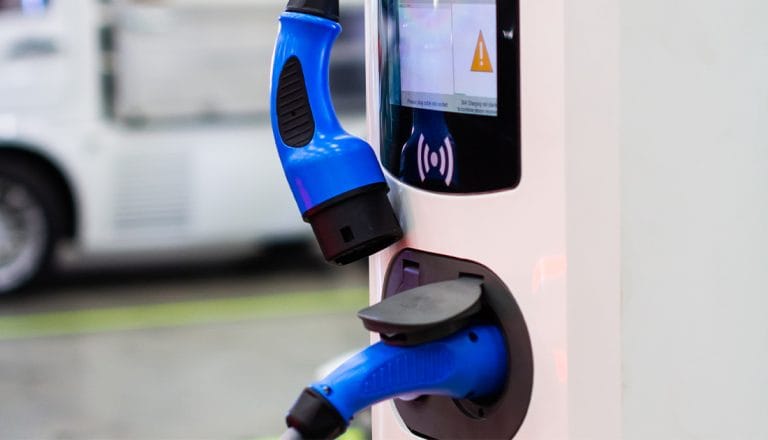
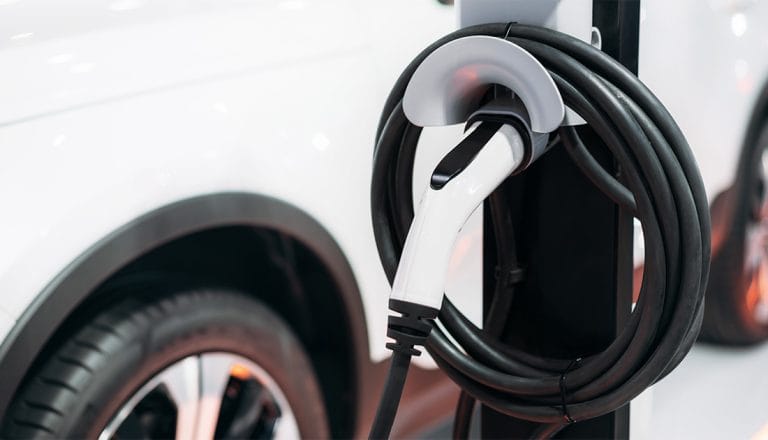
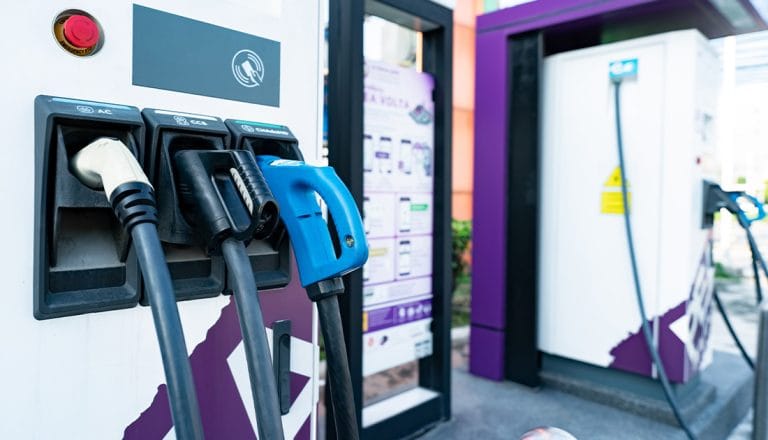
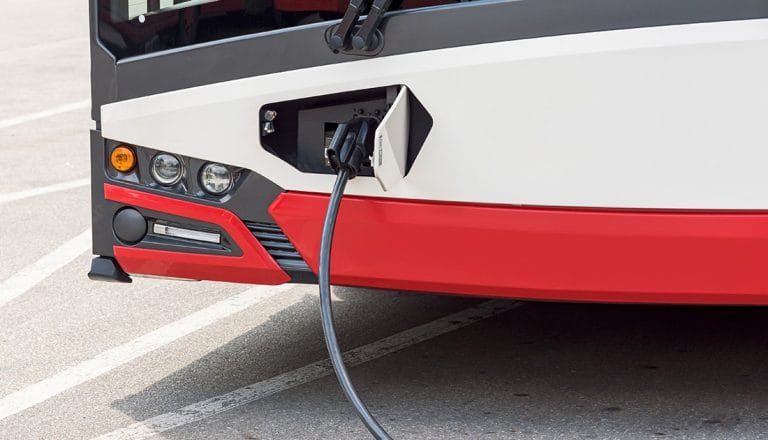
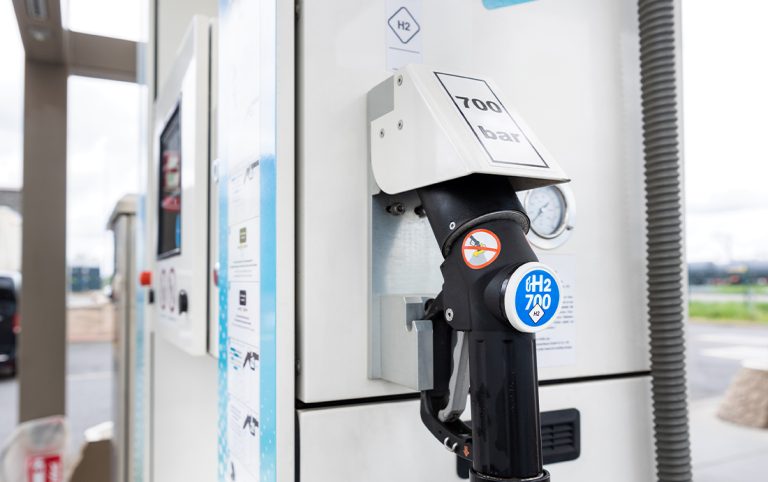
A shortage of DC chargers is the most common issue. Every country requires more fast charging options. A few governments had introduced plans to help combat the problem. For instance, every Housing Board estate in Singapore will equip at least one fast charging hub by the end of 2027.
India hopes to have 72,000 fast chargers in operation before the end of the year, but this is still well short of what is required. South Korea has been slow to develop its infrastructure with almost 90 percent of units installed being slow chargers. Overall, demand for solutions is robust.
Elsewhere, specialised workforce shortages persist, making it difficult for owners to have repairs completed. Training in battery handling, advanced diagnostics and EV software systems is necessary to ensure service is delivered in a timely manner.
Finally, scaling electric two- and three-wheelers is seen as a priority in metropolitan areas, including Jakarta, Bangkok, Metro Manila, Hanoi, Ho Chi Minh City and several major cities in India. In particular, building a robust network would allow the logistics and food delivery industries to electrify their fleets.
Abundant opportunities available
The short-term increase in EV sales is simply further proof of why overseas firms should consider Asia. Even before the recent uptick in demand, the region offered opportunities across a wide range of sectors. That will carry over in the years to come as adoption grows.
It should be stressed that this is not a reactionary trend. Countries not only have EV targets in place but are taking tangible steps to ensure they are met. The current oil crisis is forcing them to bring forward timelines.
However, a lack of capabilities, knowledge and proven tools looms large over successful EV adoption. Countries do not possess what is needed at present. Unsurprisingly, foreign assistance is actively being sought.
Several governments have launched incentive programmes and other schemes to support overseas investment in EV infrastructure. Meanwhile, local firms seek foreign partnerships to fill critical gaps. The situation varies significantly by country. Those interested in market entry need to understand the opportunities and challenges before making a decision.
Asian Insiders has a network of in-country experts who can assist with the market entry process. Our team can identify opportunities, facilitate the necessary introductions and ensure your company is on the road to success in Asia.
Want to know more about EV opportunities in Asia? Schedule a no-obligation call with Jari Hietala, Managing Partner: jari.hietala (at)asianinsiders.com. You can take our Readiness Check to see how prepared your company is for market entry by clicking here.