- Asia’s data centre market capacity could double between now and 2030 with more than USD800 billion in investment predicted
- Data centre operators are rethinking their approach to cooling in both tropical climates and those with distinct seasons
- Liquid and immersion cooling are in demand as well as AI innovations that can help improve optimisation
Asia’s data centre market is hot, figuratively and literally speaking. Capacity in the region could more than double over the next four years, while increasing temperatures and tropical climates have brought cooling into greater focus. Innovations and strategies are urgently being sought to improve efficiency, reduce power consumption and limit water use. Asian Insiders Managing Partner Jari Hietala shares an update on the situation.
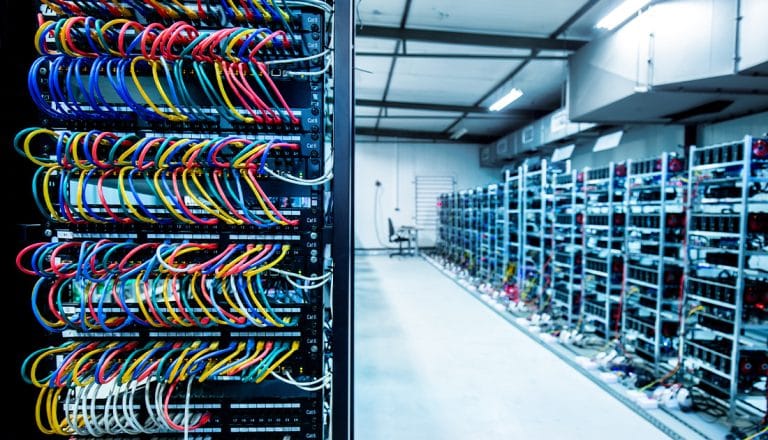
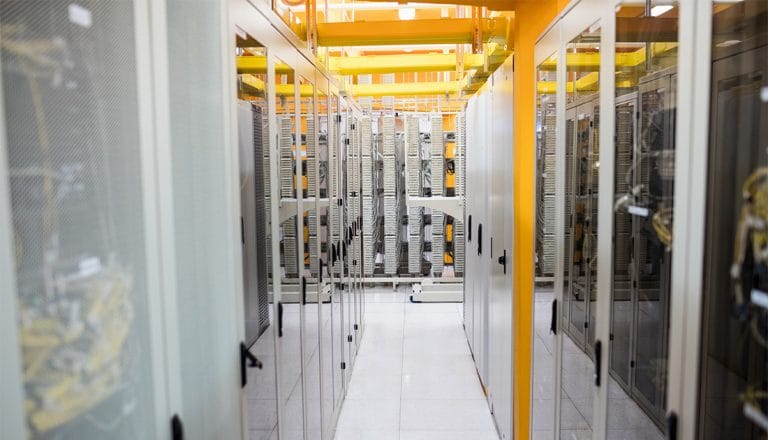
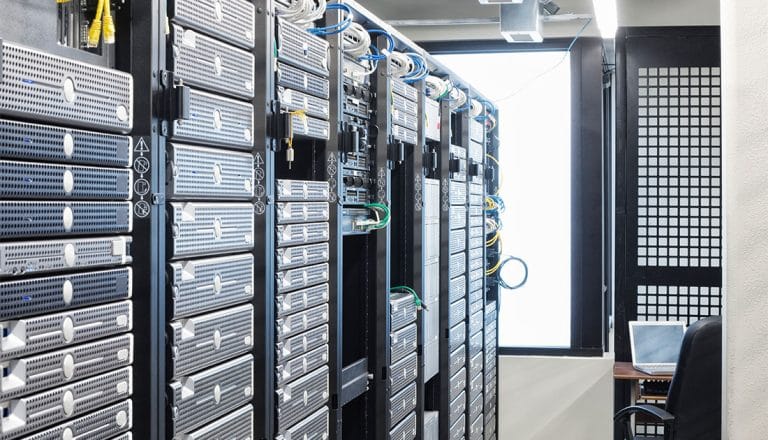
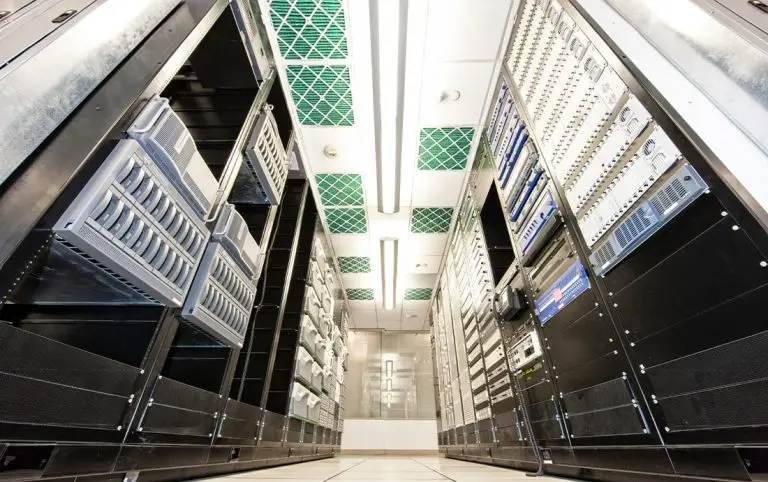
Asia’s rapidly expanding data centre market shows no signs of slowing down. According to Moody’s, nearly USD800 billion is expected to be invested in the sector between 2026 and the end of the decade. At present, operational capacity stands at approximately 13GW. This is predicted to reach 24-30GW by 2030.
Importantly, oversupply is not viewed as a problem in Asia. Demand is not driven exclusively by AI, meaning investment in the sector is less speculative in nature. Nearly every country is committed to scaling up data centre capacity to meet existing needs.
While much of the industry’s attention has focused on power generation to support growth, other challenges must also be addressed. None is more pressing than cooling since it can account for as much as 30-40 percent of total energy consumption.
Asia’s data centre market faces the heat
The ideal operating temperature for a data centre is between 18–27 degrees Celsius. Anything above that risks overheating servers and equipment, leading to costly system failures.
Maintaining this level in Southeast Asia is a major challenge considering outside temperatures average 27–35 degrees Celsius for most of the year. When factoring in that alongside the continuous heat produced during data centre operations, most facilities find themselves relying on energy-intensive air-cooling solutions to get by.
The problem isn’t limited to Southeast Asia. In Korea, summers have increased in duration while average temperatures reached record highs in 2025. Meanwhile, Seoul recorded 39 consecutive nights above 25 degrees Celsius during the summer of 2024.
The situation is similar in Japan where the summer of 2025 was the third straight year of record-breaking temperatures. Similar extreme heat conditions are being projected for 2026.
India has a range of climates, as well as limited water availability, which is required for some cooling methods. Research from S&P Global found more than 60 percent of India’s data centres will face significant water stress in the short term due to limited availability.
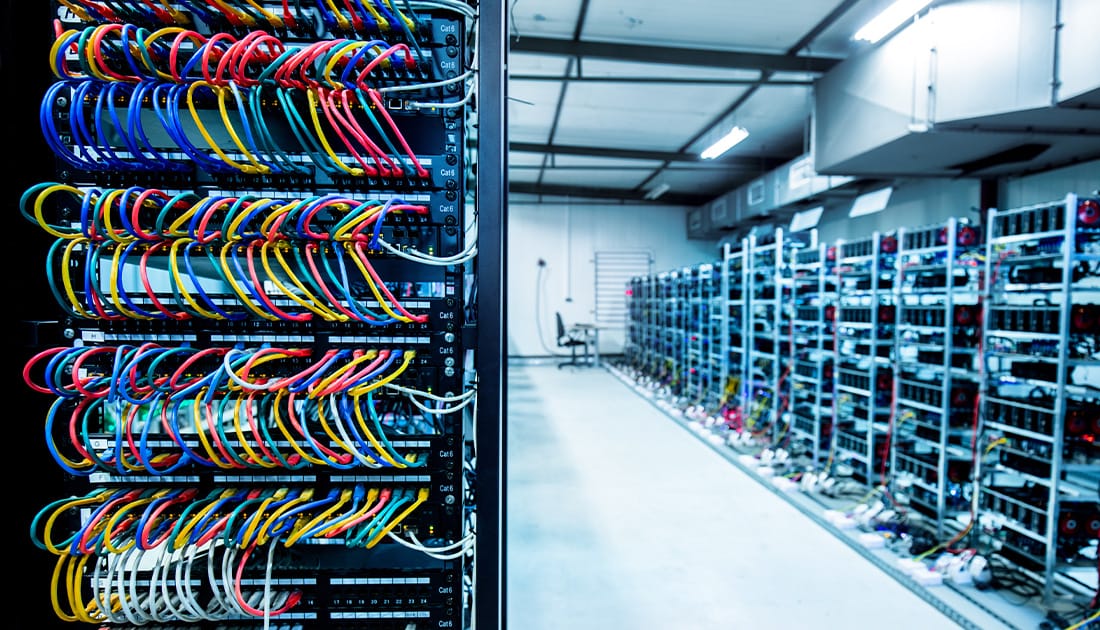
Data centre operators throughout Asia are rethinking their approach to cooling. In many markets, air conditioning units and airflow management are no longer sufficient to maintain recommended temperatures in facilities. This is especially true for locations with AI-focused servers which tend to generate more heat.
The future of data centre cooling
Both existing data centres and firms planning to build new facilities in Asia are exploring advanced cooling methods. Here’s a brief overview of what is in demand.
Liquid cooling
Asia has already begun transitioning from air conditioning to liquid cooling methods. It offers better efficiency and can improve the sustainability of data centres. Water cooling is the most common approach but there is significant interest in specialised coolants that can directly absorb heat from chips. Facilities equipped with AI servers are actively seeking this solution.
Immersion cooling
Immersion cooling remains in the early adoption phase, but the expectation is that it will become one of the preferred methods for data centres. It solves many of the issues facing the industry by needing less water, space and energy. However, costs can potentially be a barrier.
Hybrid cooling systems
Asian data centres are balancing air and liquid cooling in a hybrid setup. These introduce air flow adjustments and design innovations alongside strategically deployed liquid cooling. Existing players need assistance in the design and engineering aspects of this.
Innovations
A range of cooling-related innovations are expected to be leveraged in Asian markets as a way to overcome the heat. For example, AI optimization can allow for better real-time deployment of cooling resources. Modular cooling units tailored for Edge data centres are another advancement now being increasingly used.
A new standard
Improving cooling in Asian data centres is paramount but not the only approach. An effort to create a framework specifically for facilities in tropical climates is also progressing. This includes raising maximum operating temperatures and providing greater energy efficiency. Singapore has begun trialling potential new standards.
A sense of urgency
Data centre operators cannot afford to wait around before implementing new cooling innovations. Many governments want to see facilities adopt energy-efficient and low-water cooling systems as public awareness of the industry’s environmental impact grows.
There are also concerns relating to space, water and electricity availability in select markets across the region. Dense cities require compact or modular cooling solutions. Some municipalities may limit water access, dictating a need for better efficiency.
Despite this sense of urgency, Asia faces several challenges as it relates to the implementation of more advanced data centre cooling technologies. Cost remains chief among them. Systems must deliver verifiable long-term savings to justify higher upfront costs.
More advanced cooling solutions may be too complex technically to succeed in some markets without infrastructure investment. Beyond that, several counties are dealing with skilled labour shortages in HVAC and thermal engineering which can hinder implementation.
Final thoughts on cooling in Asia’s data centre market
According to estimates, up to 40 percent of total energy costs for data centers in tropical climates go toward cooling. Even markets that have cooler seasons, such as Japan and Korea, are experiencing prolonged heatwaves which will require greater investment in cooling technologies.
The sector is expected to grow side by side with data centre development in most markets. Operators already understand the importance of more efficient cooling in reducing power costs while ensuring they do not run afoul of local environmental regulations.
Asia is expected to become the largest data centre market globally in the next few years. Expansion means cooling opportunities in the space are widespread and massive. Companies boasting the needed technologies and implementation knowledge should explore how and where they can contribute.
However, jumping into Asia isn’t as simple as making a contact or attending a trade fair. Successful market entry or expansion demands a comprehensive approach. At Asian Insiders, we can provide businesses with the necessary research and market data needed to make an informed decision.
It is also possible to conduct a market test drive to better understand the demand for your products in a specific country. This takes the guesswork out of the process and sets firms up for long-term success.
Interested in knowing more about opportunities in Asia’s data centre market? Schedule a no-obligation call with Jari Hietala, Managing Partner: jari.hietala (at)asianinsiders.com. You can take our Readiness Check to see how prepared your company is for market entry by clicking here.