- Opportunities in Indonesia’s medical aesthetics market include advanced non-invasive procedures and technology-driven beauty treatments
- The value of the Indonesian medical aesthetics market will approach USD500 million by 2029
- Demand is being driven by a large, young population that possesses a favourable view of beauty and self-care
Estimates vary, but Indonesia’s medical aesthetics market is expected to grow by at least 10 percent annually over the next few years. Increased awareness of beauty and a young, expanding middle class are driving demand. It is also creating widespread opportunities for international companies with technology, specialised services and products. Asian Insiders’ partner in Indonesia, Primadi Soerjosoemanto, explores what is behind the sector’s growth and identifies areas of interest for overseas businesses.
Beauty care and medical aesthetic treatments are becoming increasingly pervasive in Indonesia. Clinics are springing up in urban areas. Advertisements are everywhere. Social media is full of influencers sharing information and reviews on various products and services.
There are now more than 5,000 medical aesthetics facilities in Indonesia with this number having grown by as much as 20 percent year-on-year in recent times. The majority of these offer non-surgical beauty treatments which are both quicker and more affordable when compared to elective plastic surgery.
It must be stressed that interest in the latter still exists. The Indonesian plastic surgery market is expected to reach USD200 million in value by 2030. On the other hand, Indonesia’s medical aesthetics market is projected to be valued at almost USD500 million in 2029 with compound annual growth rate estimates coming in at 10-11 percent.
This is in addition to the country’s robust cosmetics market, which surpassed USD9 billion in revenue last year. The entire ecosystem is a mix of local and international entities as consumers search for quality and personalisation from both treatment and products.
Beauty has become a top-of-mind topic in Indonesia. To better understand why, it is important to know the demographics behind this surge.
Demographics driving demand
Indonesia’s medical aesthetics market may currently trail others in Southeast Asia, but it boasts the largest potential of any country in the region. The headline figure is population, which is more than 287 million at present. It is the fourth-largest globally and will approach 300 million by 2030. This alone is not driving demand for beauty care.
The country’s age profile is important to note. Gen Z is the biggest demographic, accounting for nearly 28 percent of the population. There is also a sizable number of Millennials, and these two groups comprise more than half of the population.
This group tends to have a favourable view of beauty and self-care. Previously, it had been viewed as a luxury or carried a stigma. Today, it is both accessible and mainstream in Indonesia. Influencers and celebrities can be found on social media championing the merits of products and treatments.
Beyond that, Indonesia’s economy has been resilient, backed by steady GDP growth of at or above five percent annually. A young population with disposable income and a desire to maintain physical appearance and wellbeing has created the foundation for a strong medical aesthetics market in Indonesia that has significant room for future growth moving forward.
Opportunities in Indonesia’s medical aesthetics markets
Advanced non-invasive and minimally invasive procedures
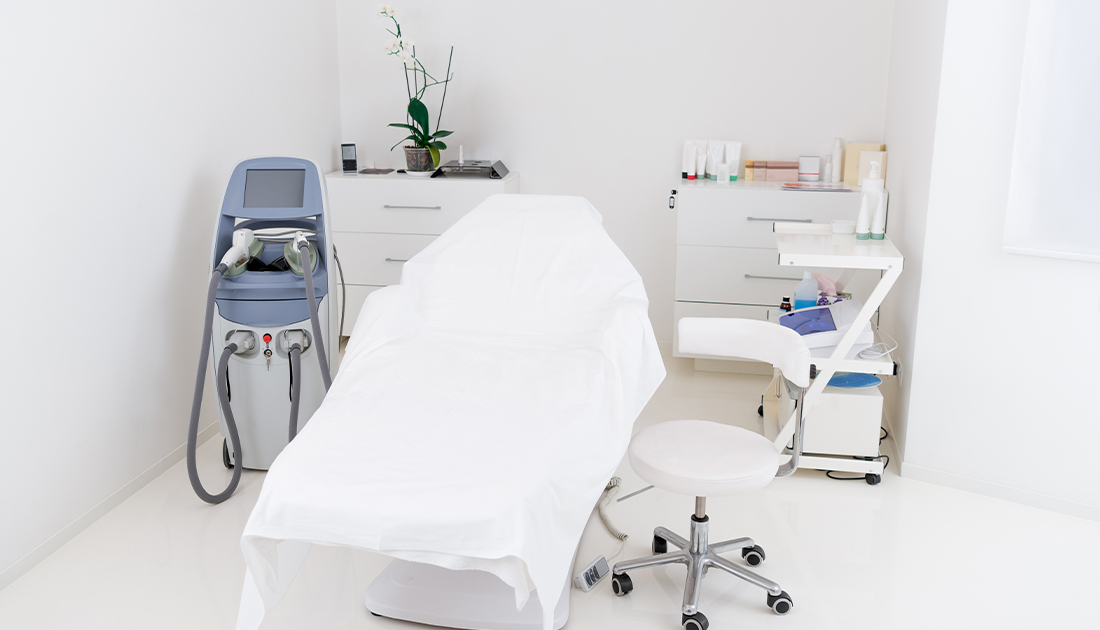
Non-surgical beauty treatments continue to grow in popularity. Some of these are traditional options, such as Botox and dermal fillers. Specialised treatments like facial peeling and mesotherapy are also in high demand.
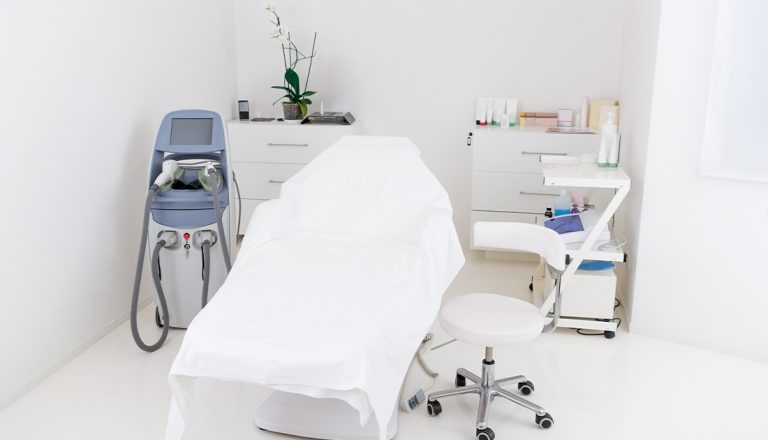
There is increased interest among Indonesian consumers in advanced skin rejuvenation treatments. Laser resurfacing, radiofrequency treatments and microdermabrasion are a few of the options gaining acceptance.
Technology-driven beauty treatments and support
Both consumers and beauty clinics are seeking innovations that deliver precise treatments, as these tend to be more effective than traditional options. AI-powered skin analysis is already being used. Same with 3D imaging tools. The technology makes it possible to effectively analyse skin conditions and accurately predict treatment outcomes.
Virtual try-on and augmented reality technologies are also of interest. These allow potential customers to see what results could look like before agreeing to anything.
Men’s care
While women’s treatments have historically dominated Indonesia’s medical aesthetics market, men’s care is presenting a massive opportunity. A major focus is on anti-aging and body contouring services as well as specialised grooming.
Understanding the local market
Indonesia’s medical aesthetics market is unique for several reasons. For example, Indonesian consumers are aware of and often influenced by global beauty trends yet still have local preferences.
Most notably, all cosmetic products used and distributed in Indonesia must be halal-certified, including Botox and fillers. There is demand for sharia-compliant aesthetic services as well, although these facilities are not required to be halal-certified themselves.
Looking at the market as a whole, most activity is concentrated in the large population centres of Jakarta and Surabaya. The sector appears primed for further growth as facilities spread to more locations.
Preparing for market entry
International firms are already playing a large role in Indonesia’s growing medical aesthetics market. German outfit Beiersdorf launched professional-grade skincare lines focused on use in medical spas and dermatology centres in the country. Meanwhile, global pharmaceutical player Allergan has inked clinic partnerships in Indonesia for its technologies. Several Korean firms are active as well.
The key to market entry is understanding the nuances of the local market and where your organisation can contribute. Working with a specialist, such as Asian Insiders, ensures you have the relevant information required to avoid roadblocks.
What’s more, our in-country experts can assist in the navigation of regulations. It’s also possible to conduct a market test drive to gain a better understanding of how your product or services will be received.
The medical aesthetics market in Indonesia is large and has the potential to grow significantly in the years to come. For international organisations, now is the time to explore market entry.
Want to know more about opportunities in Indonesia’s medical aesthetics market? Please get in touch with Primadi Soerjosoemanto, Indonesia Partner: primadi.ws(at)asianinsiders.com or Jari Hietala, Managing Partner: jari.hietala(at)asianinsiders.com.