- Governments in Asia are focusing on energy transition plans as they reel from the ongoing global oil crisis
- The region has been severely impacted as nearly 90 percent of oil and 80 percent of LNG imports transported through the Strait of Hormuz are bound for Asia
- Renewable and nuclear energy, as well as electric vehicles, are sectors where Asian countries could look to Europe and North America for support
Countries in Asia are rethinking clean energy transition plans amid the prolonged global oil crisis, which is causing short-term strain and threatening long-term economic growth. While markets are building up renewable energy capabilities, exploring the potential for nuclear power, scaling EV infrastructure and exploring other ways to lessen fossil fuel dependence, efforts will likely intensify. Asian Insiders Managing Partner Jari Hietala provides an update on the situation and explains what opportunities are available to foreign companies.
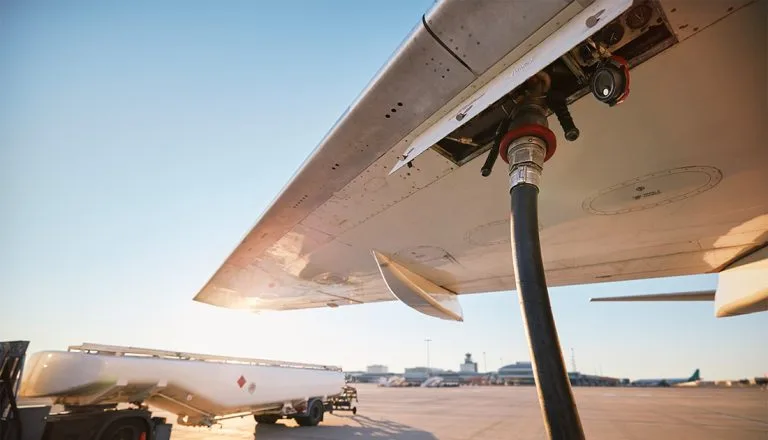
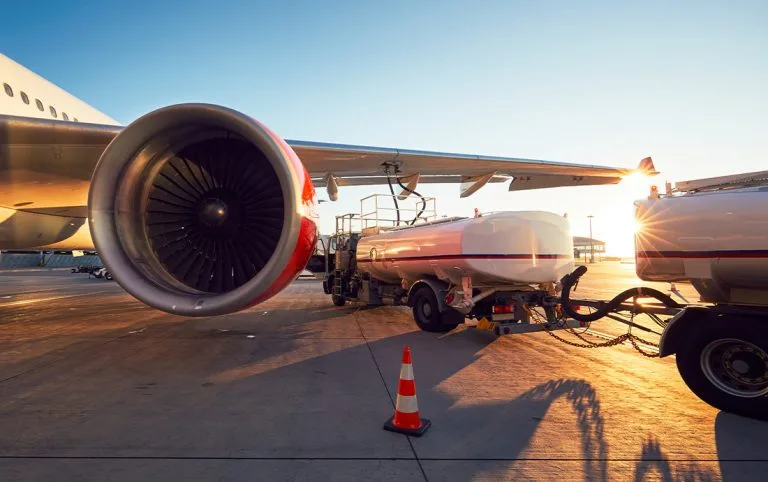
Asia found itself acutely exposed to the global oil crisis. The region receives roughly 60 percent of crude oil imports from the Middle East. More worryingly, nearly 90 percent of oil and 80 percent of LNG transported through the Strait of Hormuz is bound for Asian countries.
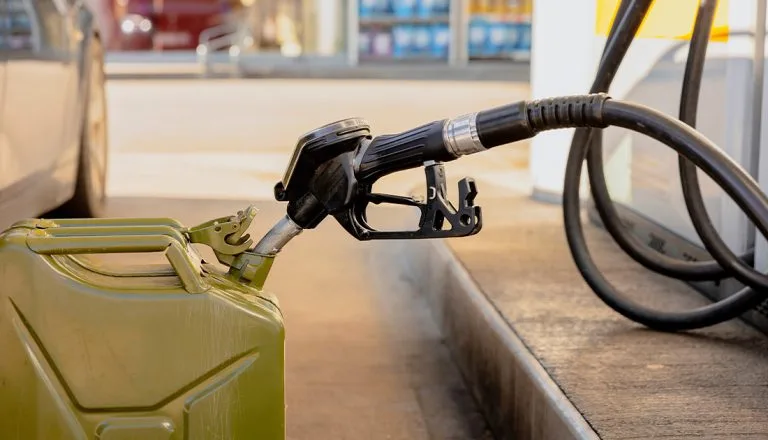
A prolonged full or even partial closure would place many regional economies in peril. Several nations have either launched or are readying response plans. At present, most of the focus has been on the impact of higher petrol prices, as they cause cost-of-living issues and lead to inflation.
However, Asian countries that still rely on imported fossil fuels for energy generation face an equally important problem: rising electricity prices. Unsurprisingly, governments are openly ruing their inability to act more swiftly on energy transition targets.
Alleviating short-term issues remains the most pressing concern, but the expectation is that a lot of governments will prioritise a quicker pivot away from fossil fuels in order to avoid future problems created by events outside their control.
Asia feels the pinch
Here is a brief overview of the impact the oil crisis is having in select markets across the region.
South Korea
Approximately 70 percent of South Korea’s crude oil imports and 20 percent of its LNG imports come from the Middle East. The government has begun implementing measures as it prepares for a worst-case scenario. There have been calls for the country to expand nuclear energy capabilities and increase renewables to avoid problems in the future.
Japan
Japan receives roughly 90 percent of crude oil imports from the Middle East while also sourcing LNG from the region. The Japanese government is releasing 80 million barrels of oil from reserves in an attempt to navigate short-term disruptions.
Taiwan
While Taiwan has worked over the past two decades to reduce its reliance on oil, particularly in power generation, much of the shift went toward utilising natural gas as an alternative. It’s estimated that nearly a third of Taiwan’s LNG imports come from Qatar.
India
Despite being a relatively large producer of oil, India still relies heavily on Middle Eastern imports and is the third-largest importer of crude oil globally. The government has repeatedly stated its belief that energy security is in place and has so far ruled out restrictions on petrol and LPG.
The Philippines
Not only does the Philippines import approximately 98 percent of its oil from the Middle East, but 30 percent of power generation comes from non-coal fossil fuels. The total exceeds 70 percent when coal is included. The price of the latter increased by 15 percent in March.
Philippine President Ferdinand Marcos recently declared a state of emergency as the government looks to navigate the situation. Rising costs and a potential shortage threaten to derail economic growth and undermine the country’s energy security.
Asia’s oil producers not immune to difficulties
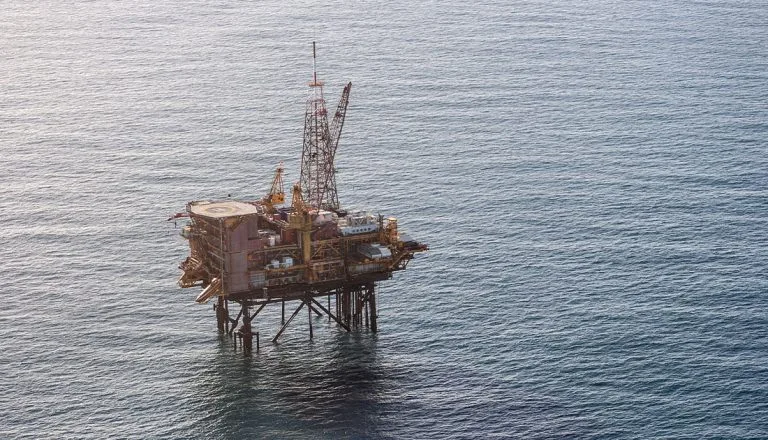
China, Malaysia, Indonesia and Thailand are the region’s leading oil producers and appear to be trying to ride out the storm, even though each relies on imports from the Middle East. China and Thailand placed limitations on oil exports. Malaysia has so far resisted such action.
While these countries have a buffer in place, a prolonged crisis would lead to wider economic challenges. In fact, Thailand is starting to see rising oil prices create cost-of-living issues.
Asia seeks help to kickstart the energy transition
The priority for governments is getting through the current crisis, but many have also turned an eye to the future. Reducing dependence on oil imports is the only way to ensure a similar situation doesn’t happen again.
In nearly every Asian country, greater energy security starts with a successful energy transition. This is creating opportunities for overseas firms boasting tools, technology and knowledge in a wide range of areas.
Renewables
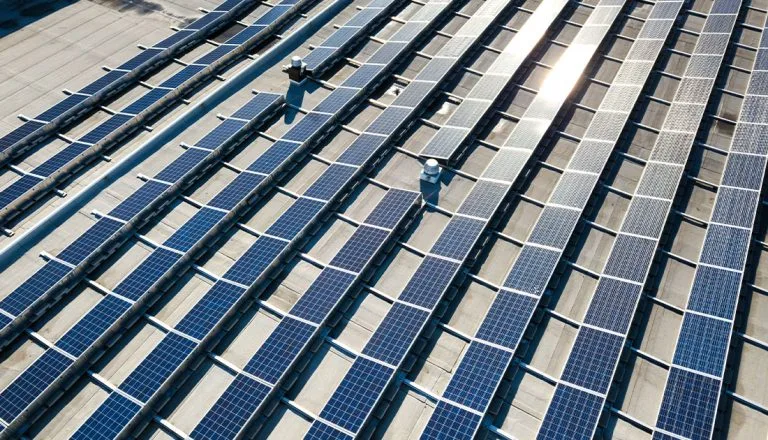
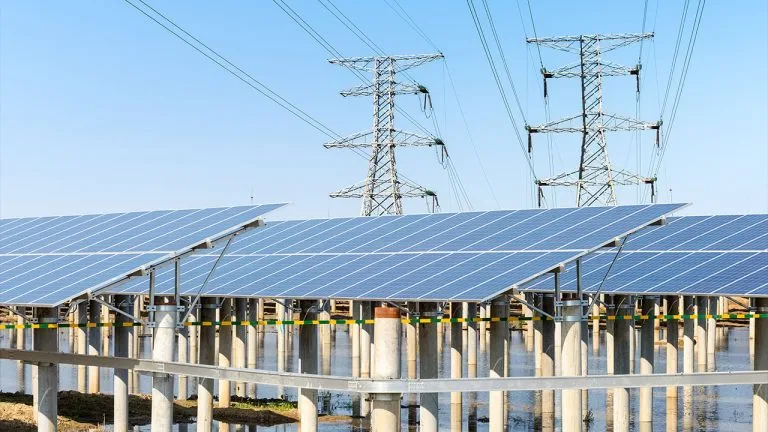
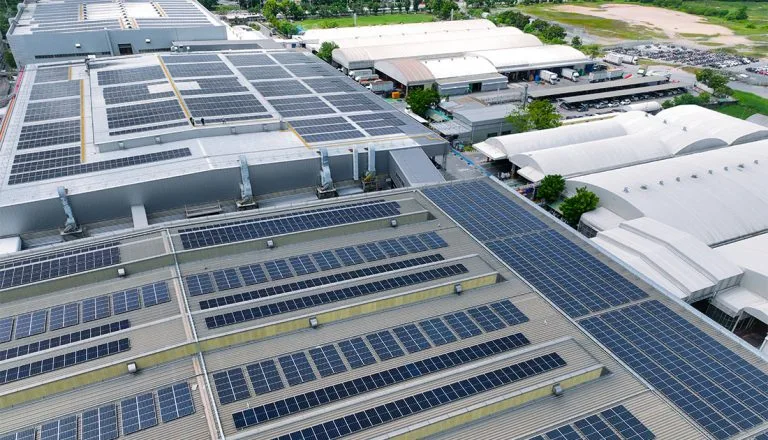
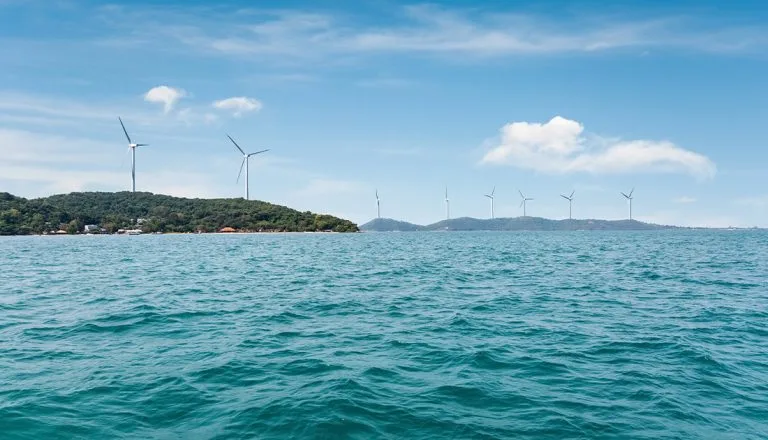
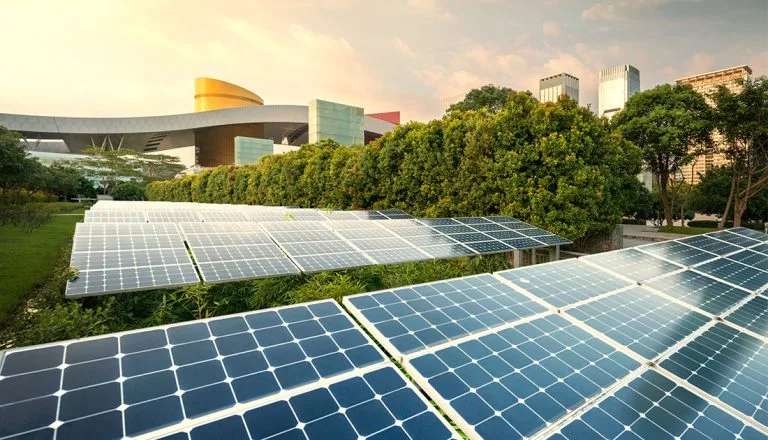
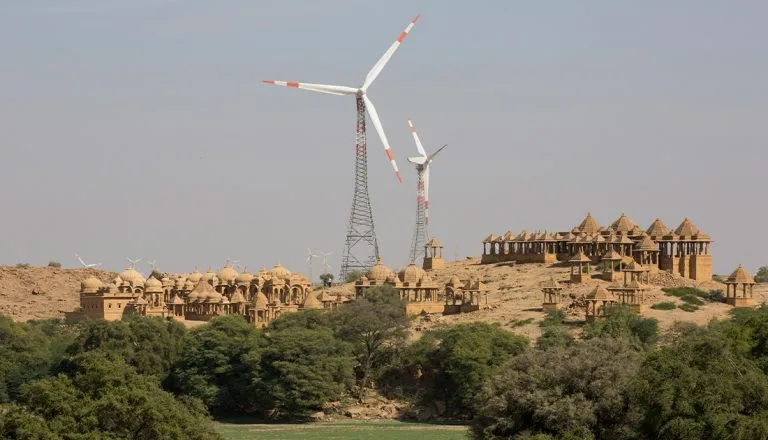
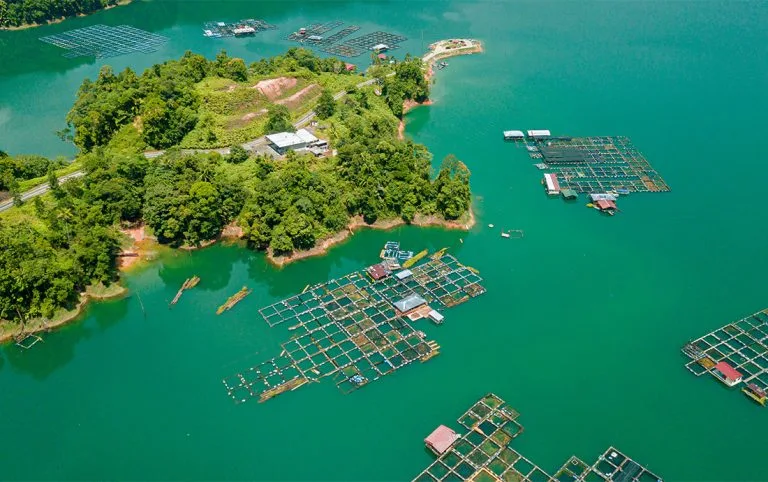
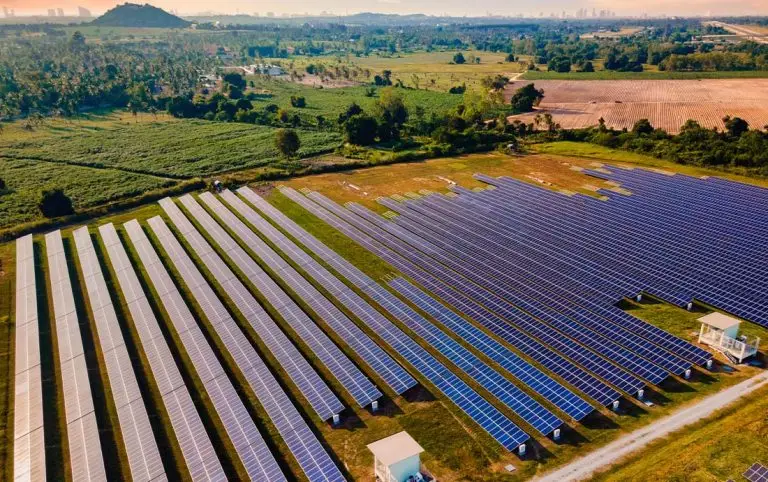
Most countries in the region have begun incorporating renewables into their energy mix, but the process has been slow for various reasons. A lack of urgency is lamentable given the energy security this would provide in situations like the present.
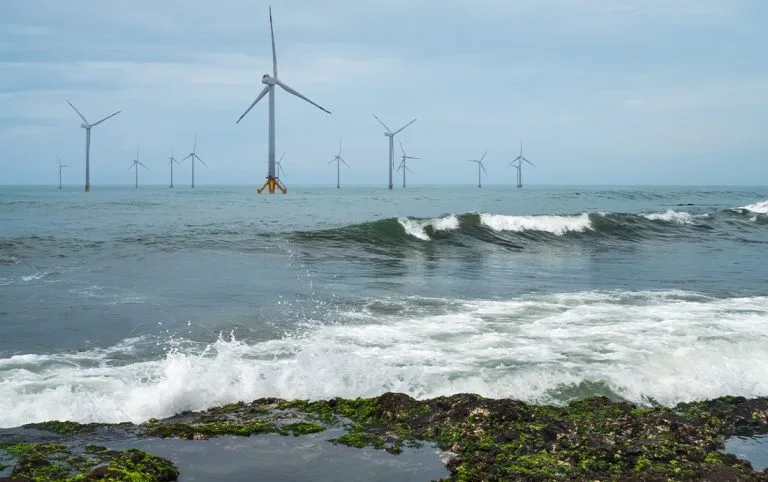
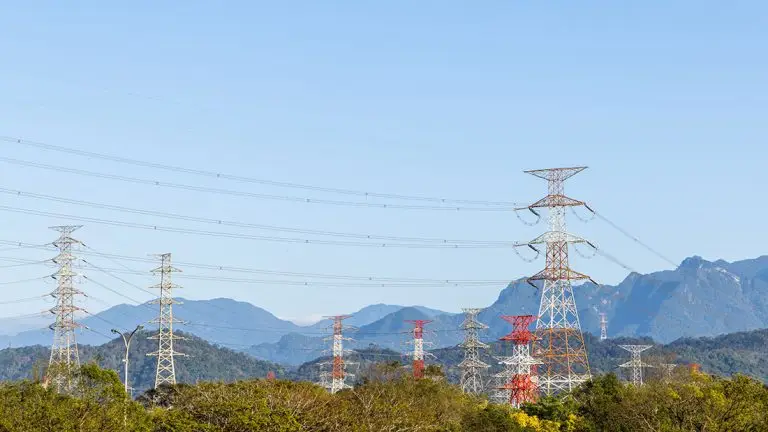
The biggest obstacle in many markets is grid compatibility and storage. Solar, wind, offshore wind, hydro and biomass power production is not only possible but being adopted throughout Asia. Harnessing that into a stable, widespread supply is now a focus for countries.
It’s also possible that more businesses look toward small-scale, on-site renewable energy projects to power their own facilities.
Nuclear
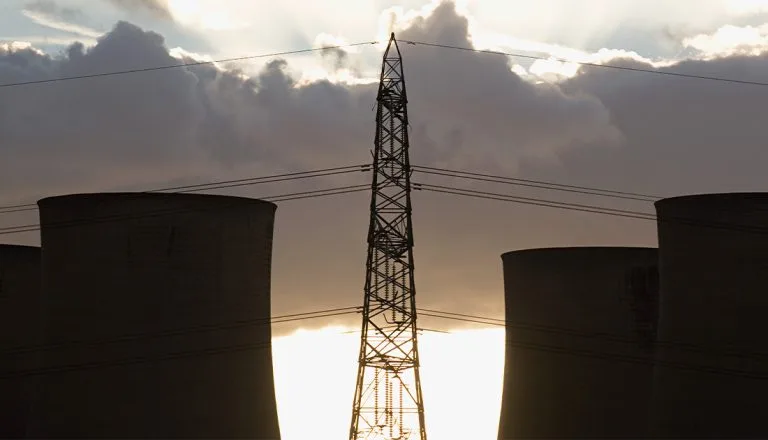
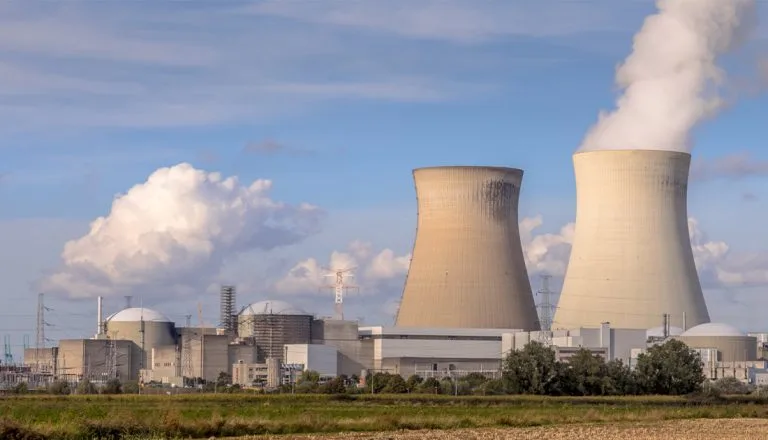
The ongoing oil crisis is expediting nuclear plans in Asia. Taipower in Taiwan has submitted plans to restart operations at two nuclear power plants. The Philippines and Thailand are taking steps to bring projects online in the coming years.
Meanwhile, Indonesia, Malaysia and Singapore have all begun exploring how it could be incorporated into their respective energy mix. This has created demand for international engineering firms, technology providers and energy companies with experience in the sector.
EVs / Fleet Electrification
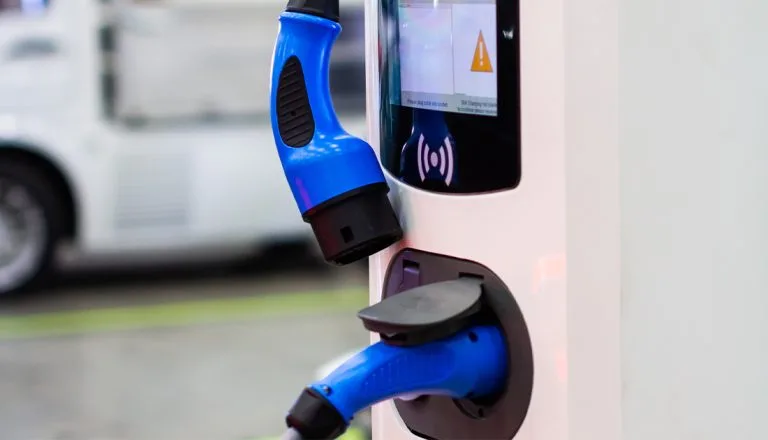
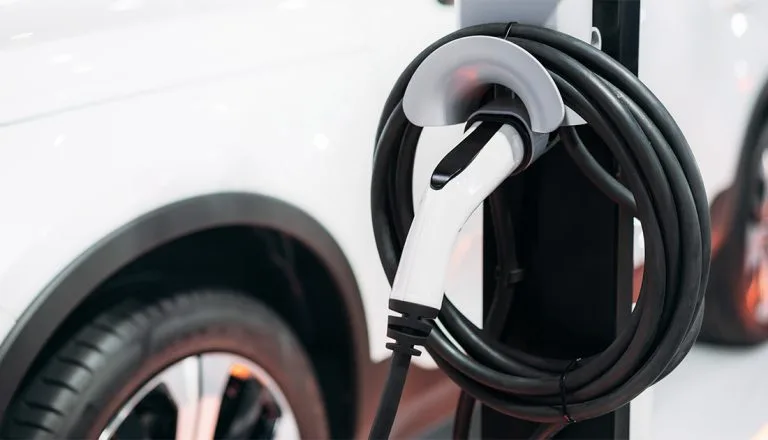
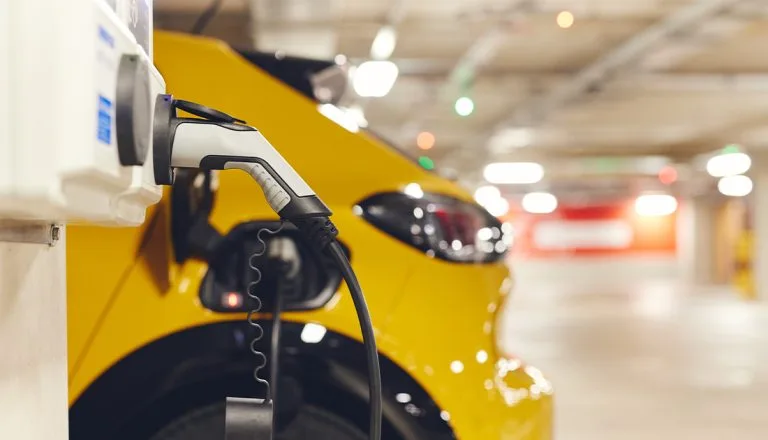
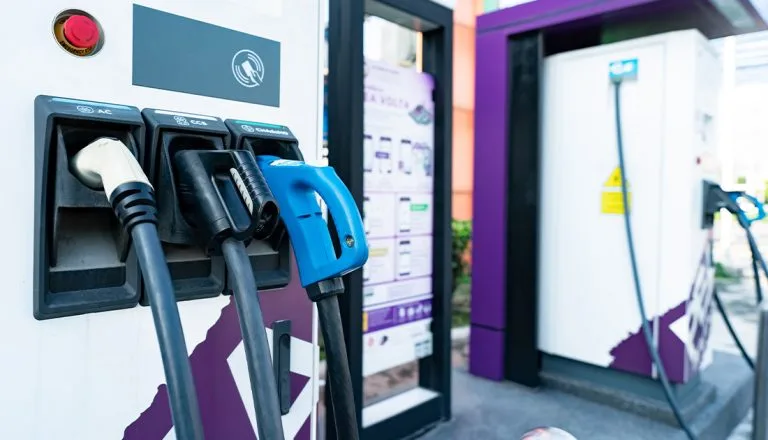
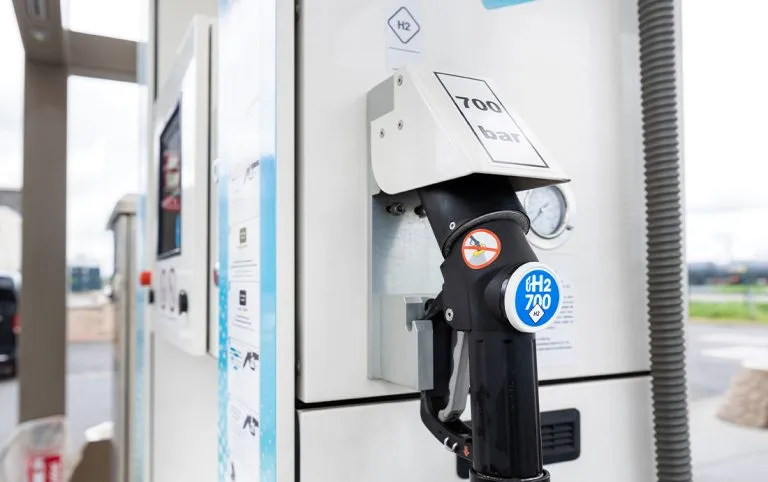
Expect electric vehicles (EVs) to grow in popularity as consumers in Asia look for alternatives. The only thing holding back greater adoption in several markets is a lack of infrastructure. Charging, and fast charging in particular, will be prioritized. Countries where two- and three-wheelers are widely used will need to develop a network of battery swapping stations (BSS).
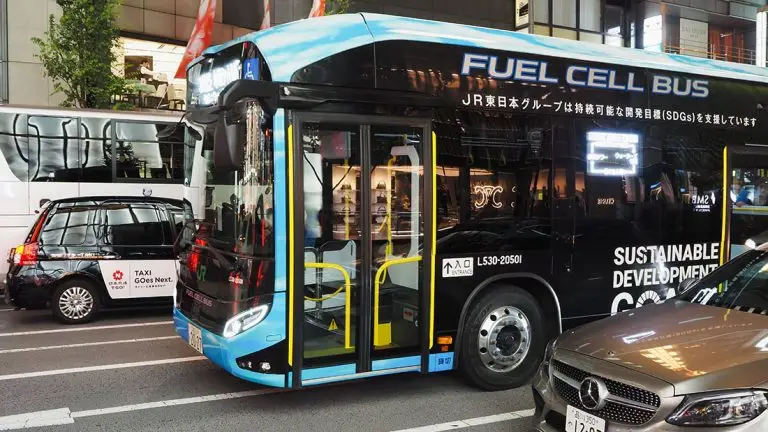
Improved EV infrastructure would also allow for fleets to be electrified. The transition could include everything from public buses and ferries to semitrucks and other heavy-duty vehicles. Several countries have already had success on this front, but the oil crisis may force them to get serious about expanding efforts.
Opportunities in Asia
Regardless of what happens with the global oil crisis moving forward, Asia is accelerating clean energy transition plans. Governments feeling the impact of past inaction won’t want to risk something similar happening in the future.
This will create opportunities for overseas firms. Simply put, many nations lack the equipment, technology and expertise needed to carry out a rapid energy transition. The only way goals can be accomplished quickly is through partnerships. Given Europe’s experience and success in these areas, the potential fit is seamless.
That being said, companies cannot simply rush into Asia. The region is massive and different markets have different needs. Entry can also be complicated by local factors that many businesses find themselves unprepared for.
Avoiding difficulties starts by working with a specialist, like Asian Insiders, who knows each market and ensures your decision-making process is guided by facts. Additionally, we have proprietary methods to help companies understand how their product will be accepted and can facilitate introductions to key stakeholders as well as potential local partners.
Thinking about Asian market entry? Schedule a no-obligation call with Jari Hietala, Managing Partner: jari.hietala (at)asianinsiders.com. You can take our Readiness Check to see how prepared your company is for market entry by clicking here.