- Asia has several AI opportunities for international companies, including local talent development, data security and industry-specific tools
- China is a global AI leader, but Korea, Taiwan and India are among the countries making significant investments in the sector
- Rules, regulations and needs vary significantly by country. Firms considering market entry must do thorough research to find the best fit
Asia is at the forefront of AI development, creating a range of new opportunities for overseas firms. Among the interesting aspects of the sector’s growth is diversity. Markets are excelling in different areas, allowing a robust ecosystem to take shape. China leads the way in building AI infrastructure and solutions. Korea and Taiwan are vital to semiconductor production. Southeast Asia is playing an increasingly important role across the value chain. India has massive AI ambitions. Asian Insiders Managing Partner Jari Hietala shares insights on what this means for Asia’s AI sector.
Asia is uniquely positioned to drive AI growth in the coming years. China has cemented its status as a global leader. However, many other markets are making headway in both development and use, backed by semiconductor fabrication capabilities, growing data centre capacity and a young, digital-native population.
Shortcomings are also being exposed. A lack of local talent, security weaknesses and a limited availability of industry-specific tools must all be addressed. This provides significant opportunities for foreign businesses with existing technologies and knowledge in these areas.
Country spotlight
Korea
South Korea has set its sights on becoming the third global AI powerhouse behind China and the United States. Recently, the government announced it would allocate more than USD1.6 billion to speed up AI adoption in the public sector. The news came a few months after AI was prioritised in the country’s national agenda.
The AI market in Korea surpassed USD7 billion in 2025 and projections moving forward are staggering. Most experts expect its value to surge beyond USD50 billion by 2032, given its public acceptance and ability to impact a wide range of sectors.
The country finds itself uniquely positioned given its status as a global leader in semiconductor manufacturing. Not only does this provide access to the components needed for AI, but it also ensures Korea is ahead of the AI curve on multiple fronts.
The biggest challenge facing the country at present is related to energy generation for data centres. The country is rolling out on-site generation requirements for those with renewable energy expected to take on a larger role.
Taiwan
Like Korea, Taiwan has a built-in advantage as the top semiconductor manufacturer. Now, it is trying to leverage that status into a meaningful role in the wider AI ecosystem. The government has already launched programmes focused on several key goals.
Most notable is the AI Taiwan Action Plan 2.0, which strives for industrial transformation and the integration of AI across all industries. It is being supported through a range of other initiatives, most notably the Ten Major AI Infrastructure Projects.
These are designed to increase Taiwan’s share in AI and growing technologies. If completed, they could generate more than USD510 billion by 2040. The belief is that this will allow Taiwan to maintain its prominence in semiconductor manufacturing while also becoming a key contributor to broader AI development.
India
The race for AI in India is heating up with the arrival of major international players. Microsoft announced its largest-ever Asian investment, USD17.5 billion, will be directed toward developing AI in India. Amazon shortly announced its own investment plans in the country. A significant portion of the USD35 billion outlay is being directed toward AI-focused initiatives.
It was welcome news for India, although the country is still playing catch-up in terms of AI value chain development. Not only are there issues with semiconductor availability, but a lack of talent and disjointed data ecosystems have slowed down efforts.
India remains committed to closing the gap. After investing roughly USD70 billion in the first phase of its AI Mission, the second phase is expected to launch sometime in 2026.
Malaysia
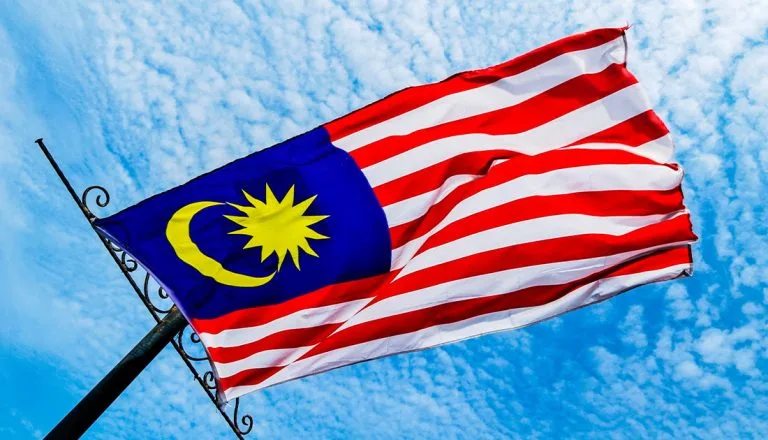
Malaysia is one of the most interesting markets for AI, even though it isn’t really talked about despite its increasingly important role. The country pivoted its electrical and electronics industry to semiconductors, and these now account for almost 65 percent of the sector’s exports.
However, the country is now looking to create technology and digitalisation products and services in addition to hardware. The country’s 2026 budget will set aside funding for several AI-focused initiatives as well as increasing support for the National Artificial Intelligence Office (NAIO).
The budget also allocates resources for the creation of a sovereign AI cloud. This would ensure models are trained, stored and deployed locally under Malaysian laws and oversight. The project is being spearheaded by the Malaysian Communications and Multimedia Commission (SKMM).
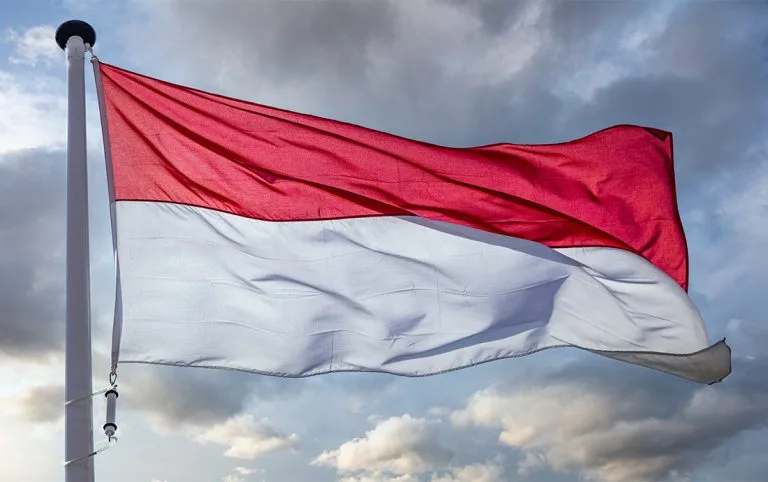
Indonesia
Indonesia has the second-highest number of AI tool users globally, trailing only India. A report commissioned by Google and developed by Public First found 62 percent of Indonesians held an optimistic view of AI usage. Workplace adoption has soared beyond 90 percent.
Last year, Indonesia launched a national AI roadmap which focuses on three key areas: AI ecosystems, AI development priorities and AI financing. The potential here is great if obstacles can be properly addressed.
The country lacks the skilled talent needed to achieve its stated ambitions. Work also continues to eliminate existing infrastructure and regulatory shortcomings.
What are Asia’s most promising AI opportunities?
Asia’s AI growth is impressive. The region still requires assistance in achieving its goals, creating far-reaching opportunities for firms with experience and expertise. Here’s a look at some of the most pressing needs.
Talent development
Talent has become critical for countries wanting to level up their AI ambitions. However, competition for existing employees is fierce, and many markets are still in the early stages of developing their workforce. There is a massive demand for proven programmes and technologies to assist in these efforts.
Security & data protection
Malaysia isn’t alone in launching a sovereign AI cloud. Several nations want to take greater control over their AI capabilities. This includes stronger data protection and more robust cybersecurity while providing independence.
Industry-specific tools
Offering an AI-powered solution is no longer enough in Asia. Businesses have a very clear idea of what they require. For countries reliant on manufacturing and construction, the interest is in tools that can speed up processes and improve efficiency as well as robotics capable of alleviating labour shortages. Health, finance, agriculture, and other prominent industries are all seeking tangible solutions to specific problems.
Finding success in Asia
The most promising region for AI is Asia. Governments have expressed a desire to embrace it and are now exploring ways to do so. For international firms boasting the required technologies and services, the potential opportunities are substantial. There is a reason why all the major global players are making large investments here.
However, finding success requires deep local understanding. Every country is unique when it comes to AI. Finding the ideal fit for your company is best done in conjunction with a specialist, such as Asian Insiders.
We provide thorough market research, connect businesses with potential local partners, provide detailed reviews of rules and regulations and prepare companies to hit the ground running.
Considering entering Southeast Asia? Take our Readiness Check to see if you’re prepared by clicking here. You can schedule a no-obligation call with Jari Hietala, Managing Partner: jari.Hietala (at)asianinsiders.com