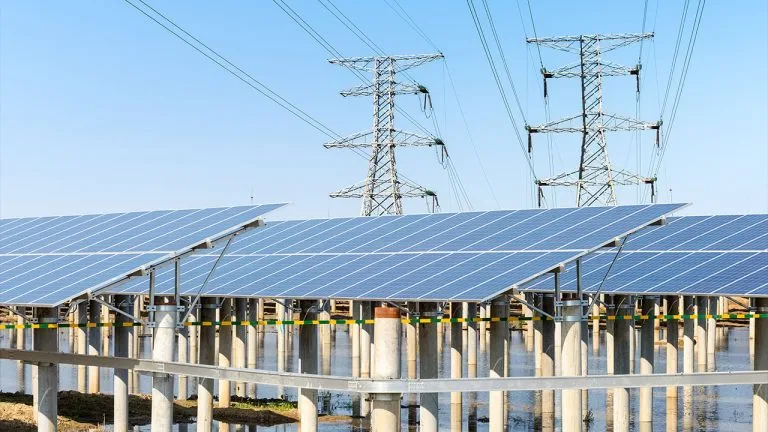
- Asia maintains a positive outlook for renewable energy with most countries reaffirming a desire to increase generation
- Deployment of renewables has far exceeded infrastructure development and now there is a pressing need for BESS, PHES, Smart grids, engineering support and consulting services
- Coal is expected to peak by 2030, but will remain part of the regional energy mix while more countries are exploring nuclear power
Asia continues to have one of the most positive outlooks for renewable energy. Several factors are driving this. Many countries are committed to reducing CO2 and greenhouse gas emissions. Clean power is a critical element in plans. Currently, there is a strong interest in BESS technologies, Smart grid innovations and other tools that can improve the reliability of existing and planned projects. Asian Insiders Managing Partner Jari Hietala shares insights on renewables in the region and what those considering market entrance should know.
Renewable energy remains a priority across Asia, even after years of capacity-building. Approximately 60 percent of global CO2 emissions and more than 50 percent of greenhouse gas emissions originate from the region. However, these efforts have been balanced with the need for greater energy security, meaning coal still plays a role.
The International Energy Agency noted that coal is being phased out slowly in several Asian markets, including China, which accounts for more than half of global use. This is despite the fact the country has been among the most aggressive investors in renewables. Coal consumption is currently projected to peak by the end of the decade, but lessons here are being studied elsewhere.
One of the biggest challenges China faced was the deployment of solar, wind, offshore wind and other sources not matching infrastructure development. In particular, limited storage and grid capabilities has led to failures during demand spikes. A lack of reliability has slowed the phasing out of coal.
The problem is something countries such as India, Indonesia, Thailand and Vietnam are now looking to avoid. Each has launched significant clean energy projects in recent times but also relies on coal. Renewables cannot be a more reliable source of power until battery energy storage systems (BESS) and robust Smart grid infrastructure are widespread.
Even Japan, Korea and Taiwan are seeking solutions to ensure renewable energy can be a vital component of energy security. Ultimately, the goal throughout the region has gone from increasing clean power generation to better harnessing it.
Why does Asia maintain a positive outlook on renewable energy?
In addition to shortcomings with storage and infrastructure, a pivot away from renewables in certain parts of the world raised concerns that other countries would follow suit. The fear was some governments could abandon emission reduction targets or offer a longer runway to fossil fuel phase outs.
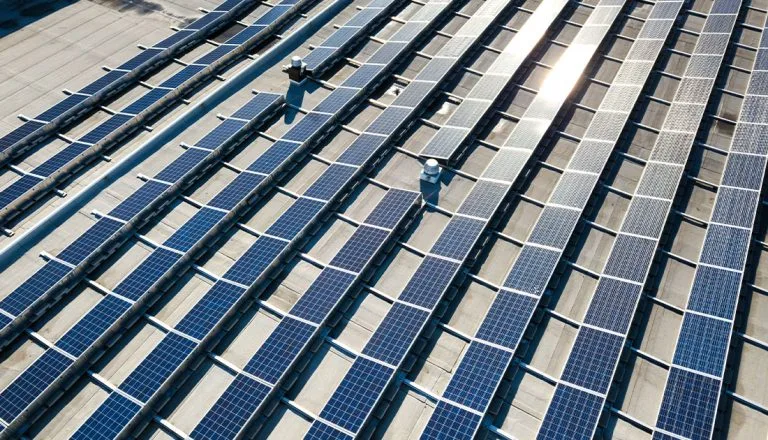
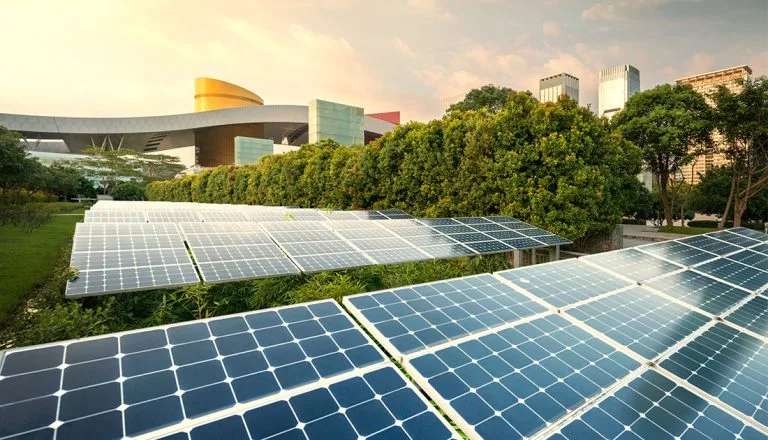
Despite some issues, Asia boasts a positive outlook when it comes to renewable energy given how much has already been invested into the sector as well as the need for long-term energy security. Solar, hydro, offshore and onshore wind and other sources provide a stable source of power that is becoming increasingly cheaper to harness.
Countries continue to offer feed-in tariffs, tax incentives and subsidies to promote investments in the sector. Moreover, these are now being extended into areas beyond generation.
In Thailand, a range of incentives is now available to foreign companies that invest in the battery energy storage industry. The Indian government has launched schemes supporting the manufacturing of storage systems along with the transmission of variable renewables.
China permits foreign investment in the BESS sector. Even as the world’s largest battery producer, the country is still seeking ways to improve and optimise existing capabilities. BloombergNEF’s Climatescope 2024 report ranked the Philippines the second most attractive emerging market for renewable energy investments.
Opportunities beyond generation
As mentioned above, the opportunities for renewables in Asia extend beyond power generation. While there is potential for new projects in select markets, they are not as widespread as in previous years.
The name of the game now is integration, efficiency and long-term stability. BESS and pumped hydroelectric energy storage (PHES) are in demand throughout Asia as countries strive to provide an uninterrupted power supply from renewables.
Smart grids and smart microgrids are necessary. The latter is interesting given the geographical challenges faced by many Asian countries. Related tools, such as smart metres, supply-and-demand forecasting, and virtual power plants, should increase in demand over the coming years.
There is also a need for consulting and engineering on existing and future projects. One reason deployment of clean energy has outstripped infrastructure investment is a lack of knowledge about how to incorporate and integrate renewables on a widespread basis, along with cost concerns.
Opportunities are not limited to a single country. Regional projects, such as the ASEAN power grid, are becoming a reality. Overseas organisations boasting cross-border expertise can find opportunities in Asia.
Nuclear also a possibility
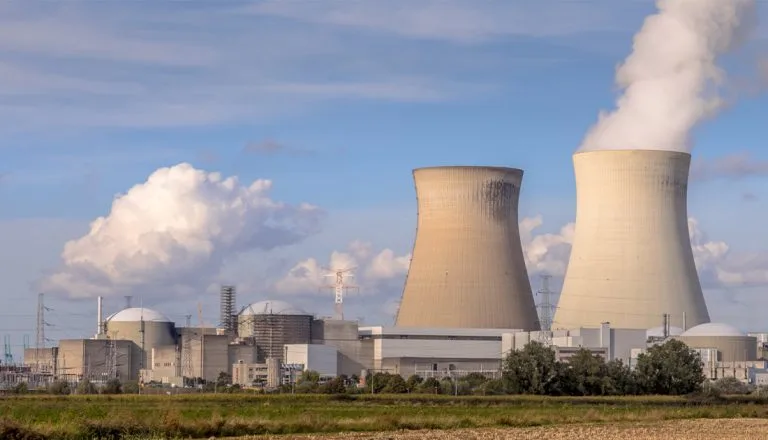
Renewable energy may be joined by nuclear in Asia over the next decade as countries explore alternatives to fossil fuels. Governments are still in the early stages of the atomic energy adoption process. The focus at present is on the creation of frameworks and structures.
Nuclear should not be viewed as competition to renewables, however. Instead, it is a way for select markets to transition away from fossil fuels faster while guaranteeing energy security.
The latter is important to note. Energy demand will continue to increase throughout Asia, especially with the number of data centres in the region projected to grow substantially. Even as renewable output increases, it alone may not be sufficient to satisfy what is required.
Market entry in 2026
The next few years will see renewables become an even greater part of the energy mix. However, investment is shifting from project development to infrastructure. This is creating new opportunities for overseas firms with the tools and knowledge that can help provide greater security.
Despite increasing demand, market entry in Asia can be complicated. Whether it is accessing foreign investment incentives, identifying the right local partners, building strong sales channels or overcoming regulatory obligations, obstacles can easily derail plans.
Utilising the services of a market entry specialist, such as Asian Insiders, is strongly advised given these challenges. Our network of in-country experts has the knowledge and experience to assist foreign entities in entering the renewable energy sector. This guidance can be the difference between success and failure.
Considering entering Southeast Asia? Take our Readiness Check to see if you’re prepared by clicking here. You can schedule a no-obligation call with Jari Hietala, Managing Partner: jari.Hietala (at)asianinsiders.com