- Asia continues to see automotive supply chain diversification with India and many ASEAN countries popular destinations
- Government-backed incentive programmes and other support measures for overseas companies can be found in several markets
- The ASEAN automotive logistics market value is expected to surpass USD11 billion in 2026, but the sector faces a race to digitise
Asia has seen significant automotive supply chain diversification in recent times as firms adopted the China+1 strategy. This is expected to continue, but there are other benefits to entering or ramping up activities in India or ASEAN beyond supplementing to Chinese production. These include investment incentives and the potential for easier access to certain export markets. There are also more opportunities for specialised logistics and support for manufacturers. Asian Insiders Managing Partner Jari Hietala provides an overview of the current situation.
The past five years have put untold strain on global automotive supply chains as many weren’t equipped to handle instability. Weaknesses quickly emerged when the pandemic and geopolitical tensions struck. Diversification became a priority, and the result of this shift is now being realised.
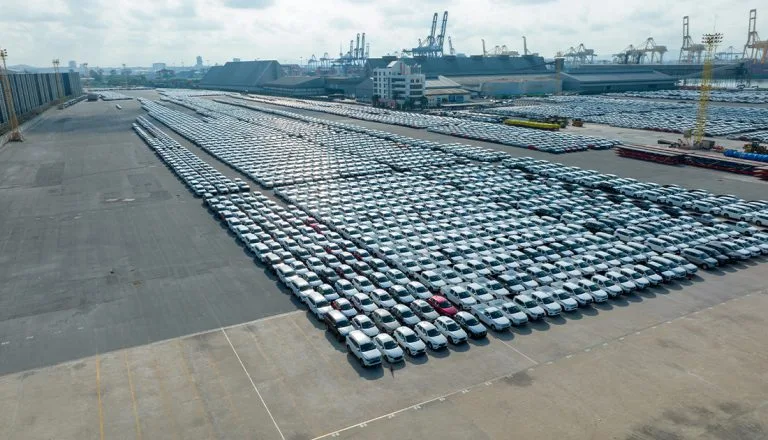
Indian car exports grew by almost 20 percent in 2025. Indian government estimates found that the value of vehicles earmarked for the United Kingdom, Germany, Spain and Norway between April and August of 2025 exceeded USD60 million.
On the auto components front, the last financial year saw the country export close to USD23 billion with 29 percent of shipments taken by Europe, according to data from the Automotive Component Manufacturers Association of India.
Meanwhile, ASEAN’s status as an essential player in automotive production continues to rise. Parts and components produced in the region account for roughly 22 percent of global exports.
India and most countries in ASEAN have been proactive when it comes to pivoting from internal combustion engine (ICE) focused production to manufacturing electric and hybrid vehicles as well as related components. This has allowed them to stay competitive during a time of flux for the industry and ensures they are well-positioned for the future.
The next step is to develop capacity and expertise further while improving specialised logistics to ensure supply chains are viable from both a financial and strategic standpoint.
Asia automotive supply chain diversification opportunities
There are two areas to focus on when it comes to Asia automotive supply diversification opportunities. The first are related to parts manufacturers. The second concerns logistics companies supporting the sector.
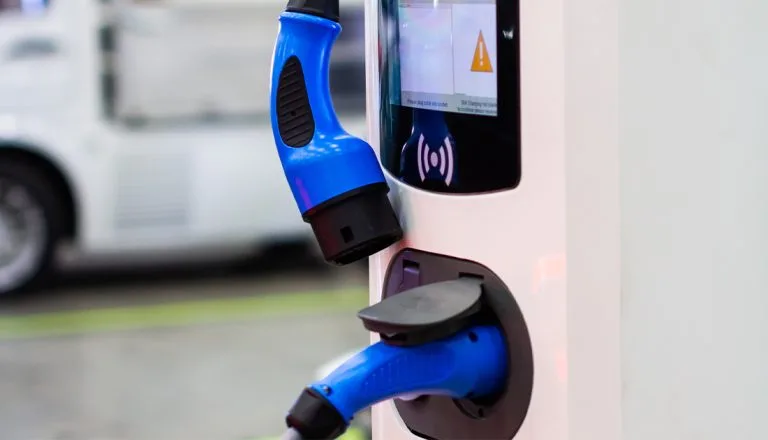
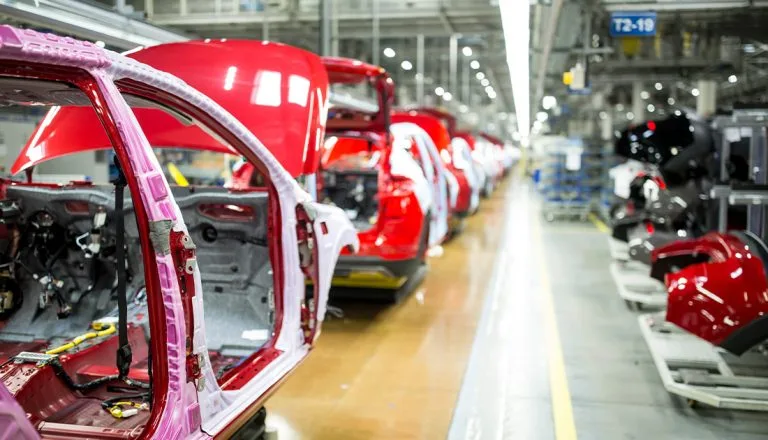
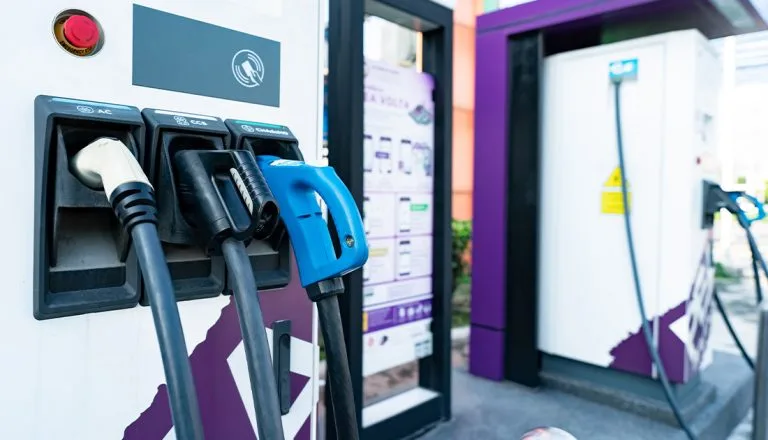
Starting with the former, developing EV manufacturing capabilities and reducing production costs are priorities as supply chain diversification expands. OEM manufacturers are seeking support in adopting technologies, manufacturing processes, management and organisational structures for the production of EV parts and components for electric passenger vehicles, two- and three-wheelers, buses and commercial trucks.
India and Indonesia are among the countries looking to increase lithium-ion battery production. There remains a wealth of opportunities in building up these value chains since both countries aim to become global leaders in the space.
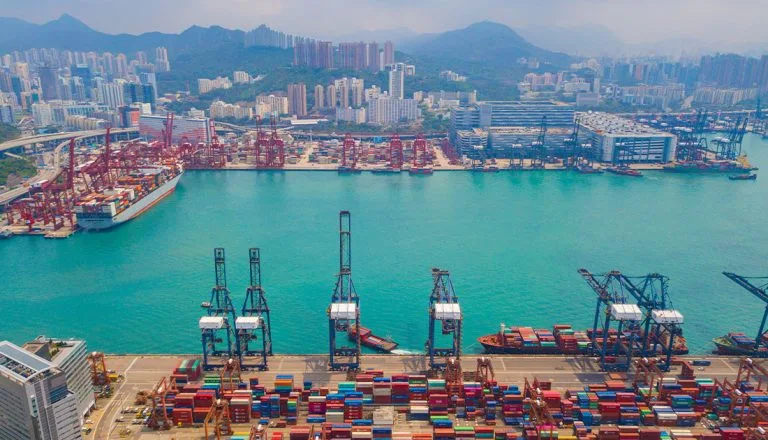
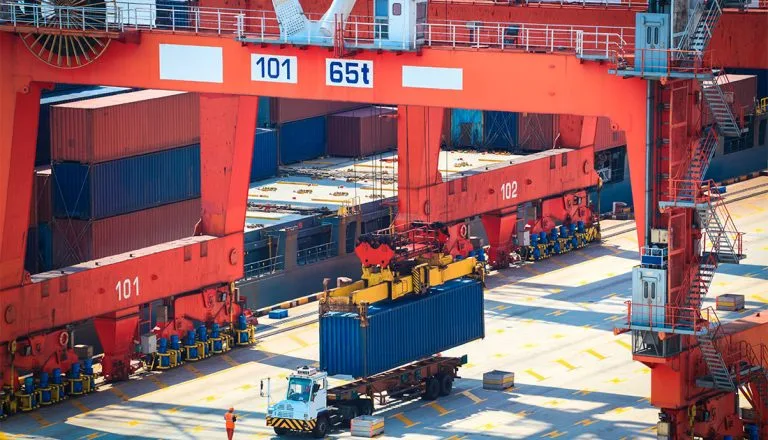
Elsewhere, logistics hasn’t necessarily kept up with automotive supply chain diversification in recent times. EV and battery supply chains are highly specialized. As production grows in the coming year, so too will the need for services tailored to the segment’s unique needs.
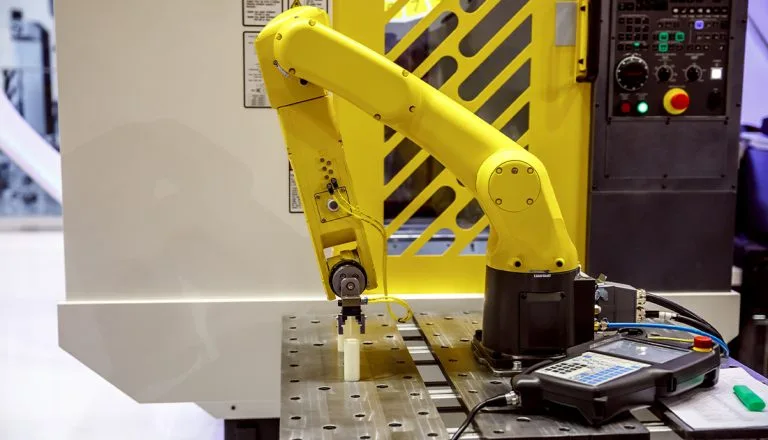
Similarly, current automotive supply chains require greater digitisation. Various innovations and tools, including AI-powered systems, automation, robotics and IoT-related innovations, are being sought to improve efficiency.
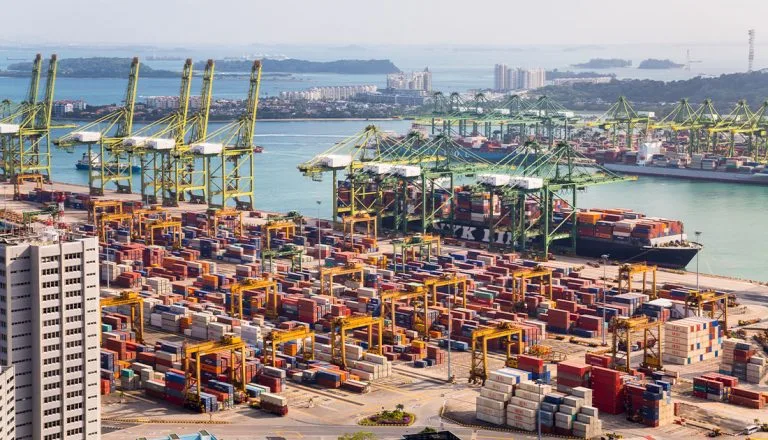
In ASEAN, the automotive logistics market value is expected to surpass USD11 billion in 2026 with compound annual growth rate projections coming in at eight percent over the next ten years.
Supportive environment for automotive businesses
Many countries in Asia have a favourable investment environment, with governments putting in place incentive programmes and other support measures for foreign firms. Here is a brief overview of what’s being done in selected countries.
Thailand
The Thailand Board of Investment (BOI) continues to offer incentives to overseas companies. There is an eight-year tax exemption for joint ventures between Thai and foreign companies to manufacture automotive parts.
Additionally, the BOI provides a range of incentives for firms investing in BEVs, PHEVs, electric buses, electric trucks, two- and three-wheel EVs, parts and components in line with the country’s Next Generation Automotive strategy.
Malaysia
As part of the government’s goal to remain competitive within the regional supply chain, Malaysia enacted an income tax exemption for overseas firms that assemble and manufacture Energy Efficient Vehicles or Next Generation Vehicles as well as related parts and components domestically.
India
The Indian government has launched support initiatives and programmes to support the development of EV capabilities. Most notable is the second phase of the Faster Adoption and Manufacturing of Electric Vehicles (FAME) scheme. Several states across the country have additional policies to attract automotive investment.
EV batteries are another area of emphasis. The Production Linked Incentive (PLI) scheme took effect in 2021 to promote the local manufacturing of lithium-ion batteries and other advanced battery technologies. This is supported by customs duty exemptions for 35 capital goods considered essential for lithium-ion battery manufacturing.
Understanding Asia
At first, the China+1 strategy was viewed as a way to mitigate supply chain risk. It remains a key part of the approach, but there are now more benefits to Asia automotive supply chain diversification than simply avoiding manufacturing bottlenecks.
A more diverse supply chain can ensure companies take advantage of favourable conditions elsewhere in the region, including investment incentives, domestic market opportunities and export potential.
The wave of activity has created a greater demand for technologies and knowledge related to the production of advanced parts and vehicles. Countries have adapted, but gaps remain. Specialised logistics related to diversified automotive supply chains present another opportunity for overseas firms.
It is worth highlighting the competition being seen across the region. Chinese EV firms and parts manufacturers are becoming increasingly established in Southeast Asia. Japanese and Korean players have long been active in these markets.
The key to success is a strategic plan guided by a long-term vision. Partnering with a specialist, such as Asian Insiders, ensures you understand the situation and achieve the best possible outcome. Our network of in-country experts has extensive experience and networks in the automotive sector, having assisted numerous firms with entrance or expansion in Asia.
Considering entering Southeast Asia? Take our Readiness Check to see if you’re prepared by clicking here. You can schedule a no-obligation call with Jari Hietala, Managing Partner: jari.Hietala (at)asianinsiders.com