- CAGR projections for the Asia data centre sector over the next five years range from 13% to 22%
- Asian data centre capacity is expected to reach 14GW in 2025 and is predicted to approach 30GW by 2030
- Opportunities are widespread and include specialised storage facilities, green solutions and energy generation
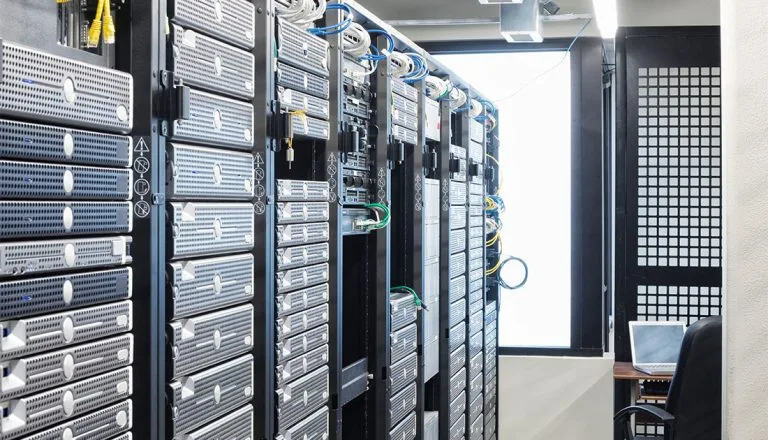
In Asia, the data centre sector has been among the fastest-growing markets. Demand is widespread due to the rollout of 5G networks, as well as increasing cloud and Edge computing usage. However, global fears of oversupply and the possibility of an AI bubble have raised concerns that the region’s growth may not be sustainable. Asian Insiders Managing Partner Jari Hietala provides a look into what the future may hold for data centres in Asia.
It is impossible to ignore the talk of how a potential AI bubble may impact the data centre market. There is a lot of uncertainty surrounding both fields globally which has tempered expectations for the massively growing industry.
The Asia data centre sector is not immune to those concerns. Yet, AI is not the sole driver of growth in the region. Rapid digitisation has created a pressing need for more data storage space and servers. Several governments have rolled out local data storage requirements, leading to more infrastructure development.
Additionally, mobile data traffic in the region could quadruple before the end of the decade, while edge and cloud computing also require more space to function.
Diverse demand sources are what make the region more appealing than America and Europe, which account for approximately 60 percent of the current global data centre market. This isn’t to say there is no risk in Asia, but widespread needs help lessen it to a certain extent.
Market overview
In terms of size, Asian data centre capacity is expected to reach 14GW by the end of 2025. According to Moody’s, this total could more than double by 2030 as some USD800 million in investments pour into the sector over the coming years.
Compound Annual Growth Rate (CAGR) estimates for the Asia data centre sector vary for the next five years. Low-end forecasts sit at 13-14 percent. Modor Intelligence has one of the highest projections at 21.8 percent. Regardless, the outlook is optimistic.
India, Malaysia and South Korea are among the countries that are expected to record a CAGR of more than 14 percent between now and 2030. Other markets to watch include Indonesia, Singapore, Thailand and Taiwan.
The biggest potential for growth comes in the form of the Edge data centre market. Research conducted by Savills projects this segment to record a 25 percent CAGR from 2025 to 2030.
Asia data centre sector opportunities in 2026
There are several opportunities in the Asia data centre sector that overseas firms should consider in 2026 and beyond. As mentioned earlier, specialised data centres, such as Edge facilities, hold massive potential for a few reasons.
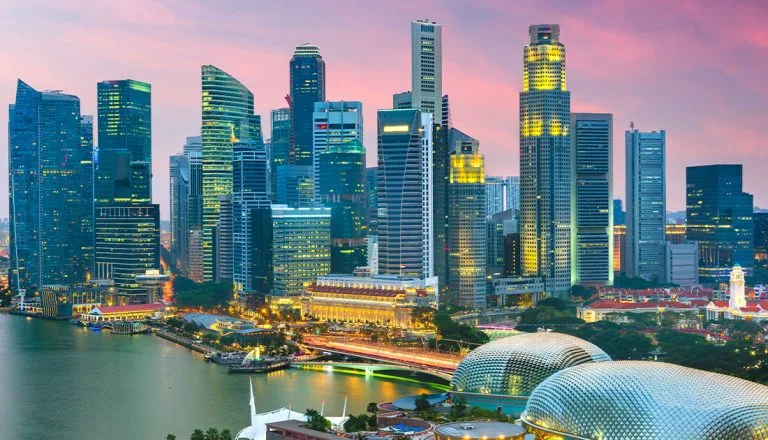
Land availability is becoming a challenge in densely populated markets. As IoT, streaming, and other usage in major cities pick up, there is no space to build large-scale data centres. This is especially true in South Korea, Japan and Taiwan. Meanwhile, Singapore lifted its moratorium on data centre development with smaller facilities of interest.
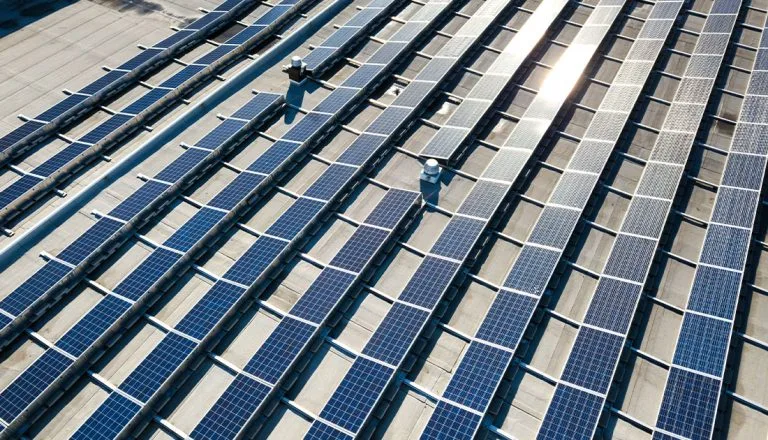
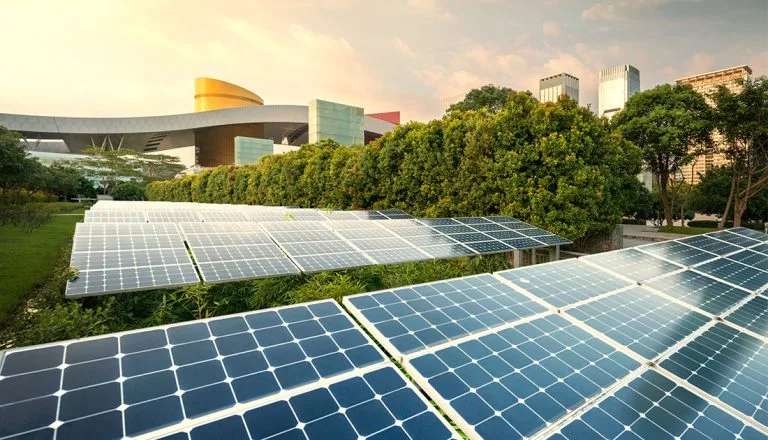
Another opportunity can be found in green solutions. Technologies that allow facilities to utilise renewable energy and improve water efficiency are in great demand throughout the region. A number of countries have introduced sustainability guidelines for data centre operations.
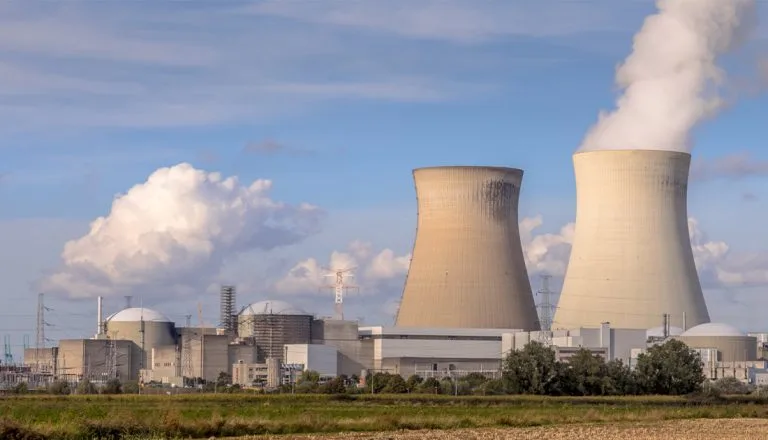
Nuclear energy is expected to play a role in powering data centres with small modular reactors (SMRs) and microreactors, providing a reliable, zero-emission energy source. The Philippines, Thailand, Indonesia and Singapore are among the countries where this could soon be adopted.
Finally, there are countries where capacity expansion remains a priority. India, in particular, is racing to increase data storage with demand expected to outstrip supply in the short and medium term.
Identifying challenges
The data centre market in Asia is not without challenges. There is no singular set of regulations which makes entry or expansion tricky. Foreign enterprises will need to not only understand local rules but also identify the countries where their products or services are required.
Meanwhile, competition across the region is increasing. Storage capacity will double in the next few years, and all the major global players are now active in Asia. AWS, Google, Microsoft and AirTrunk have a presence. A number of domestic and regional players are also gaining a foothold in the market.
Operational challenges need to be accounted for as well. Nearly every country is struggling to fulfil energy demand from data centres. In some cases, the issues are related to generation. Elsewhere, storage and grid infrastructure are causing problems. Water constraints are another obstacle that must be factored into planning.
In some countries, finding suitable locations has become troublesome for operators. Densely populated areas may not have the space needed for larger-scale facilities while remote areas may lack the connectivity necessary for success.
Final thoughts
Despite a breadth of opportunities on offer and potential for growth, success in the Asia data centre sector is not a given for overseas businesses. It is no longer a case of if you build it, they will come. Similarly, existing operators in the region are no longer swayed by the first product or solution that comes their way.
Firms considering entry or expansion into Asia must do so with a firm understanding of the local landscape. For example, many countries are encouraging foreign investment in the sector through incentives and other schemes. However, eligibility for these isn’t always clear.
Working alongside a specialist, such as Asian Insiders, can ensure your organisation locates the best opportunities, overcomes any potential regulatory obstacles, connects with the relevant stakeholders and hits the ground running.
Ultimately, the Asian data centre industry is still growing and will continue to do so in the coming years. As competition and supply increase in other global markets, the region offers a strategic alternative for businesses.
Considering entering Southeast Asia? Take our Readiness Check to see if you’re prepared by clicking here. You can schedule a no-obligation call with Jari Hietala, Managing Partner: jari.Hietala (at)asianinsiders.com