- According to IMF estimates, economic growth in Asia next year will surpass four percent, higher than the global projection
- Countries in Asia are actively negotiating both free trade and digital trade agreements while strengthening current partnerships
- Most Asian countries have avoided unwieldy tariffs, but concerns of sudden changes to the newfound status quo linger
It can be difficult to get a clear read on the Asia market entry outlook for 2026. Even leading experts struggle to make sense of the situation heading into the new year. Economic and geopolitical concerns weigh heavily on projections. Yet, the region has proven resilient in recent years and opportunities for entrance or expansion remain. Asian Insiders Managing Partner Jari Hietala shares insights on the situation and explains why Asia remains attractive for foreign investment.
Asia has remained surprisingly resilient in the past few years. According to IMF estimates, economic growth in the region will come in at 4.5 percent this year, while 2026 projections sit at 4.1 percent, higher than the global average. Inflation concerns still linger, but the threat isn’t worrisome in most markets.
If the Asia market entry outlook for 2026 is approached through a glass-half-empty perspective, slower economic growth estimates, weakening demand and a challenging global trade climate may prompt a conservative approach. The glass-half-full outlook is that proactive government initiatives, new trade partnerships and widespread opportunities in key sectors make the region attractive for investment.
In reality, both are true. Every country in Asia is facing some sort of economic challenge in the short term. However, opportunities for successful market entry can still be found. Understanding complexities and identifying the best fit is vital in decision-making.
The biggest positive for Asia remains its size. Not only is the region’s population approaching five billion, but the rise of the middle class here is far more pronounced than elsewhere in the world. This group is projected to reach 3.5 billion by 2030.
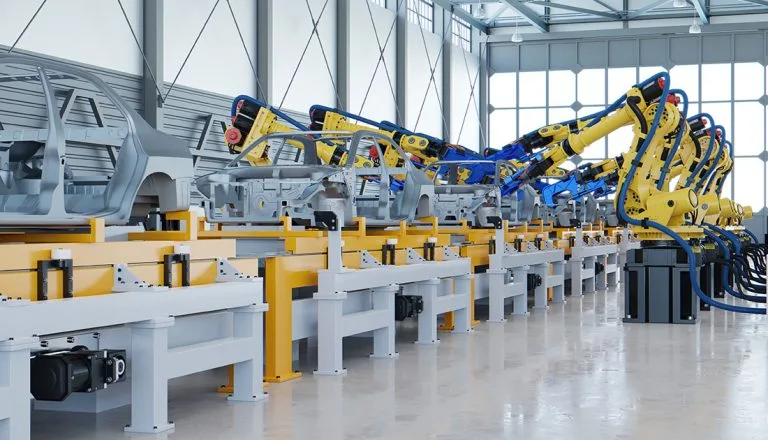
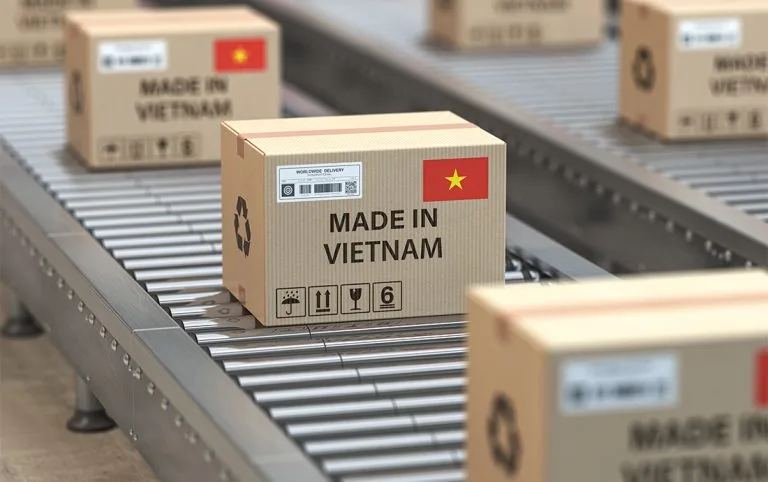
Additionally, Asia boasts several strategic advantages, such as access to raw materials, relatively lower labour costs and a strategic location. These traits have led India, Indonesia, Vietnam and other countries to become popular amongst foreign companies diversifying their manufacturing operations.
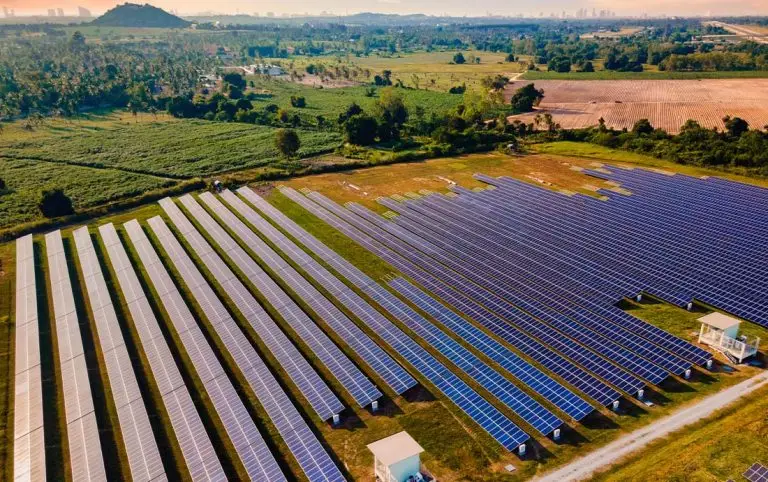
As far as trends are concerned, rapid urbanisation is driving a need for everything from renewables to data centres and fast-moving consumer goods (FMCG). This has necessitated the reimagining of both value and supply chains. For businesses in search of potential, Asia can be the answer.
A rapidly evolving landscape has made Asian market entrance or expansion all the more challenging in recent times. Not only must overseas entities understand the unique operating and regulatory environments at the domestic level, but recent global trade upheaval has added another layer to planning.
Impact of tariffs
Between the rush of exports sent out prior to their enactment, the constant changing of what these will entail and diversification efforts, the impact of US tariffs on Asia is still to be fully realised. It is important to remember, some experts predicted regional economic growth would slow to around two percent in 2026. That no longer seems to be the case.
Many of the tariffs enacted ensured that Asian countries remained competitive with one another. For example, semiconductor tariffs are roughly the same for Korea and Taiwan, meaning neither country is at a disadvantage. Similarly, tariffs for countries in Southeast Asia were negotiated to similar levels.
Perhaps the greatest impact of the tariffs is the uncertainty currently lingering over both Asian and global trade. Details remain scarce, and the risk of sudden upheaval remains. This is the largest single challenge to the Asian market entry outlook for 2026 and beyond.
Building for the future
The rise of protectionism in some corners has created opportunities elsewhere. Many Asian countries are working hard to secure free trade agreements. Several key deals were signed in 2025, and more are likely to follow.
In Southeast Asia, ASEAN continues to establish new trade ties and strengthen existing partnerships. Recently, the association upgraded its FTA with China. The bloc also stressed its centrality and expressed a desire to work alongside all countries. Talks remain ongoing with several countries, including Canada.
The Comprehensive and Progressive Agreement for Trans-Pacific Partnership (CPTPP) has a strong presence in Asia as well. Japan, Malaysia, Singapore, Brunei and Vietnam are current members. According to reports, the Philippines has applied for membership. Interestingly, the CPTPP and ASEAN have begun exploring ways to boost cooperation.
Asian countries aren’t just focused on FTAs. Digital trade is another area of emphasis. Singapore has a Digital Trade Agreement in place with the EU and signed a Digital Economy Agreement with the EFTA. Approval of the ASEAN Digital Economy Framework Agreement, the world’s first region-wide digital economy agreement, is expected to take place in 2026.
Asia market entry outlook in 2026: Finding the right approach
Market entry or expansion must be approached judiciously. Economic growth in the region is expected to remain above the global average, and many countries are pursuing ambitious goals as they relate to urbanisation, digital transformation, clean energy, manufacturing and several other prominent areas.
However, challenges related to trade and geopolitical issues persist. Then you have the complexities of each country. Needs, regulations and how business is conducted vary greatly. Organisations considering Asia must factor in these, as well as the economic outlook, when deciding on entry or expansion.
This is also why it is essential to partner with a specialist, like Asian Insiders. The market entrance process is nuanced. Having an in-demand product or service is only half of the equation. Whether it is identifying potential market size, making the necessary connections, developing sales channels, localising marketing or expanding further in the region, winning in Asia demands local expertise.
Asian Insiders has a robust network of in-country experts with experience assisting companies in entering new markets and scaling existing operations into additional countries. At the end of the day, the Asia market entry outlook for 2026 is positive, but preparation is vital for success.
Considering entering Southeast Asia? Take our Readiness Check to see if you’re prepared by clicking here. You can schedule a no-obligation call with Jari Hietala, Managing Partner: jari.Hietala (at)asianinsiders.com