- The Thai construction industry provides opportunities for foreign firms, especially those with the tools, technologies and knowledge to lower costs or building material manufacturers seeking to diversify production
- The sector outlook for 2026 and beyond remains positive due to the government’s commitment to infrastructure investment
- Plans for major projects, including a Land Bridge that would connect the Gulf of Thailand and the Andaman Sea, are currently in the pipeline.
Thailand continues to focus on infrastructure development to lift its economy and boost key sectors. The announcement of the Land Bridge project in the South Economic Corridor and the subsequent declaration of further investments in the Eastern Economic Corridor made headlines recently. Yet rapidly rising material prices and soaring energy costs could derail these efforts unless firms find ways to realise savings elsewhere. Asian Insiders Managing Partner Axel Blom highlights several Thai construction industry opportunities on offer for overseas entities.
A general election in February resulted in a new government being elected in the Kingdom. Despite changes in some strategies, infrastructure remains a priority because it is seen as the best way to tackle the country’s stagnant economy.
Notably, tourism, a key economic driver for Thailand, is in decline. Numbers from the Ministry of Tourism and Sports show that arrivals were down by seven percent in 2025. The country has struggled to reach pre-pandemic levels.
The Tourism Council of Thailand has gone on record, saying domestic connectivity must be improved and encouraged the next government to develop a roadmap for infrastructure development. The body noted that expanding rail connections to major cities nationwide while upgrading rail service standards would boost both international and domestic tourism.
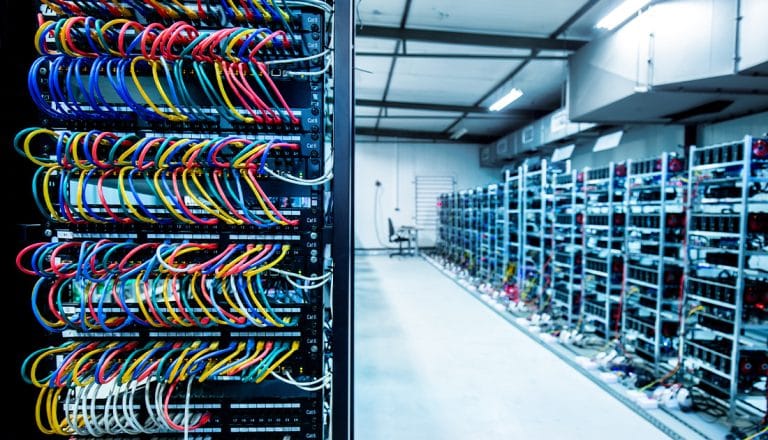
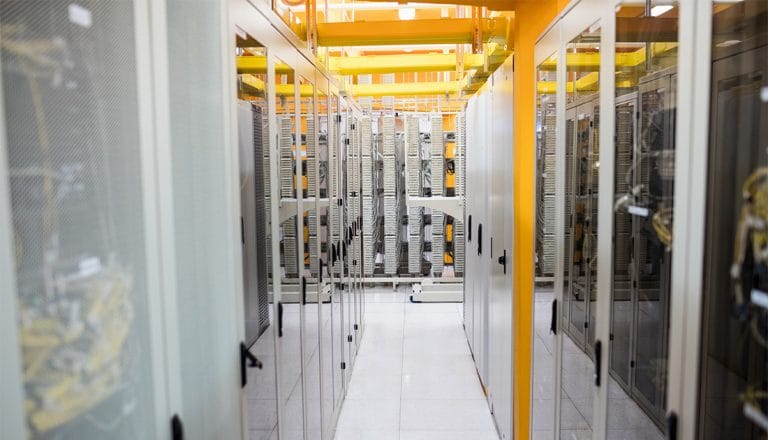
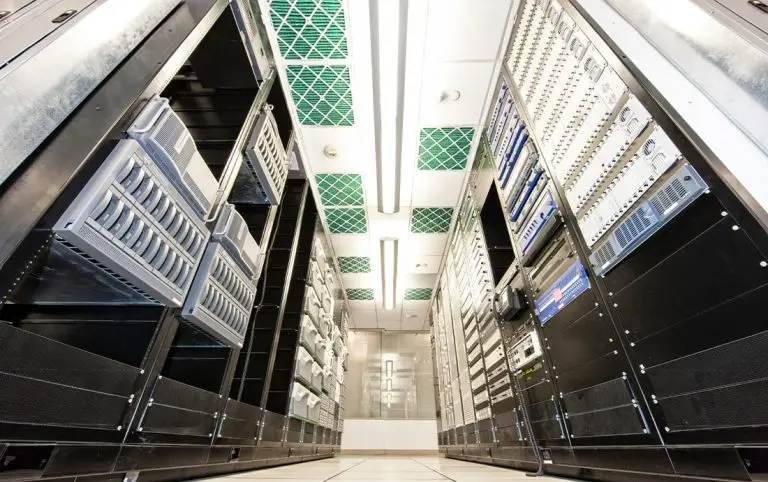
The new government and Thai Prime Minister Anutin Charnvirakul are also keen to jumpstart several previously planned projects in both the Eastern and Southern Economic Corridors that had stalled due to political uncertainty. There remains strong demand for the development of data centres and industrial estates in Thailand.
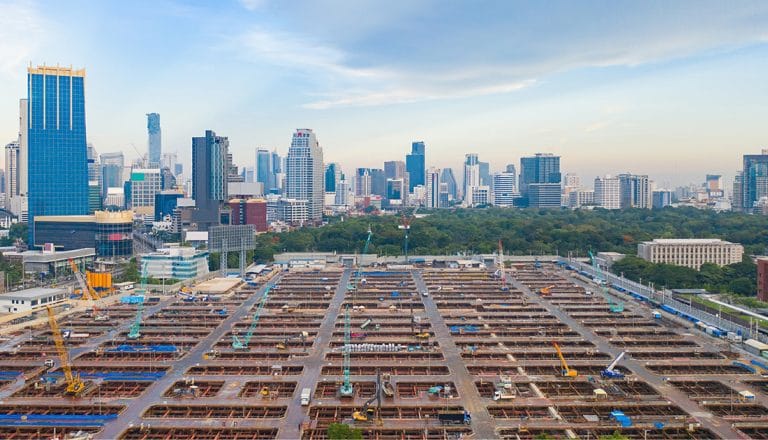
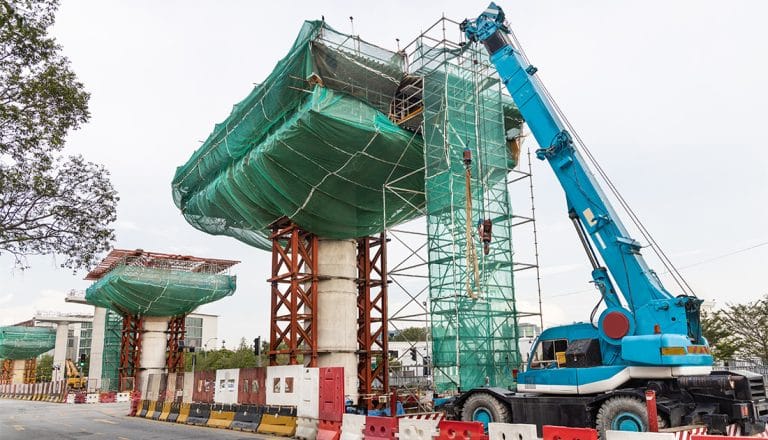
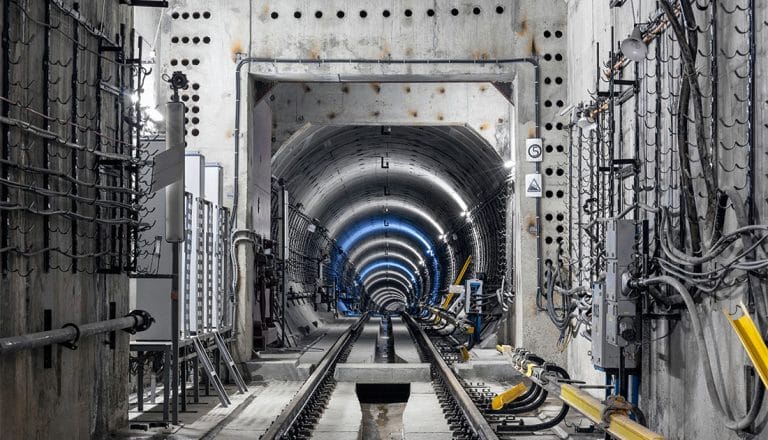
In Bangkok, the Mass Rapid Transit Authority of Thailand is making progress on the next phase of expansion for the city’s public rail transit system which has grown significantly in the past decade. Proposals for four projects totalling more than 60 kilometres will be submitted.
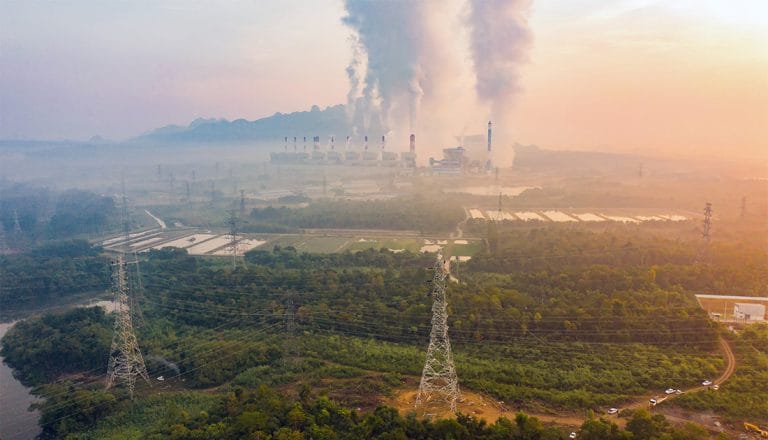
However, challenges threaten to derail potential infrastructure investment. Kasikorn Research Center found that construction material prices are now at their highest level since 2020. This, along with rising energy costs due to the ongoing Middle East conflict, is putting pressure on the industry. Large firms have stockpiles of certain materials, such as steel, so existing contracts should not be affected.
Elsewhere, the Thai Home Builder Association expects costs in the residential construction segment to increase in the short term as the geopolitical situation shows no signs of abating. Many smaller and mid-sized companies opted to cover rising overheads but will no longer be able to do so.
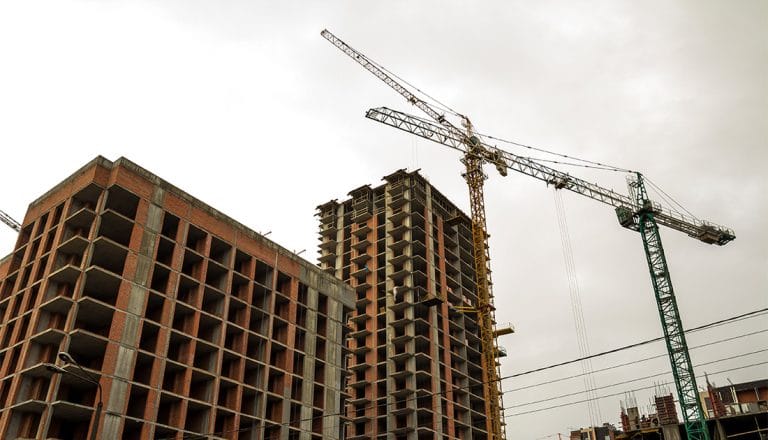
Additionally, the Thai construction industry continues to deal with fallout from the March 2025 earthquake which saw a number of buildings damaged or collapse. The government contract review process for construction projects is being reevaluated as well. This has led to a greater focus on meeting safety standards.
Thai construction at a glance
According to Krungsri Research, construction investment in Thailand will increase by as much as three percent this year, driven mostly by public-sector construction. Similar growth is projected for 2027. The construction industry accounted for nearly eight percent of the country’s GDP between 2015 and 2024.
Projects in the pipeline
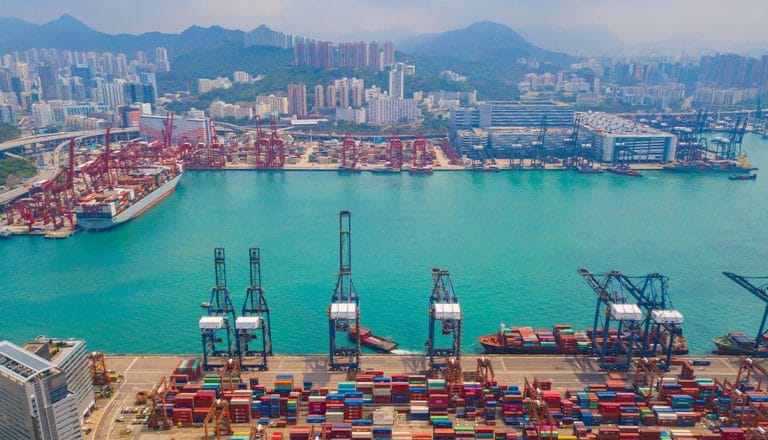
The Ministry of Transport is now focusing on two massive flagship projects it thinks can boost the Thai economy. The first is the much-talked-about Land Bridge development connecting the Gulf of Thailand and the Andaman Sea. After decades of being mooted, mostly in the form of the Kra Canal, it came back into focus due to the ongoing closure of the Strait of Hormuz.
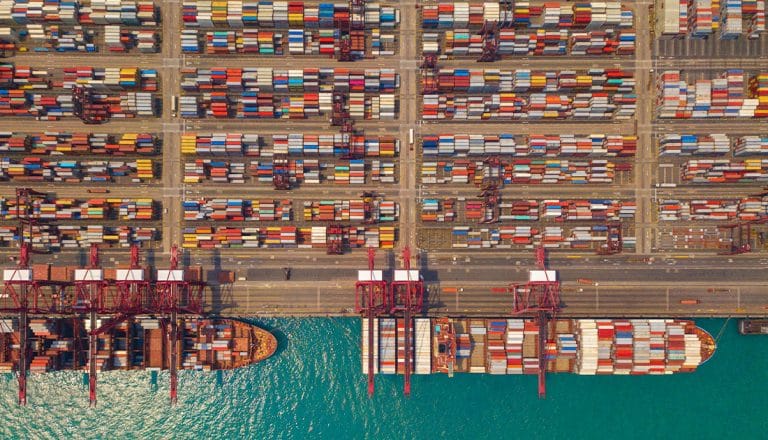
In Southeast Asia, the Strait of Malacca is among the world’s busiest shipping lanes with no alternative at present. The Land Bridge across Thailand would not only ease congestion but also ensure a potential shutdown doesn’t cause widespread global disruption.
Plans could be submitted to the cabinet in the coming months. Total investment in the Land Bridge development is expected to approach USD31 billion (THB1 trillion). It should also be mentioned various proposals to create an alternative to the Strait of Malacca in Thailand have failed to gain traction despite government support over the years.
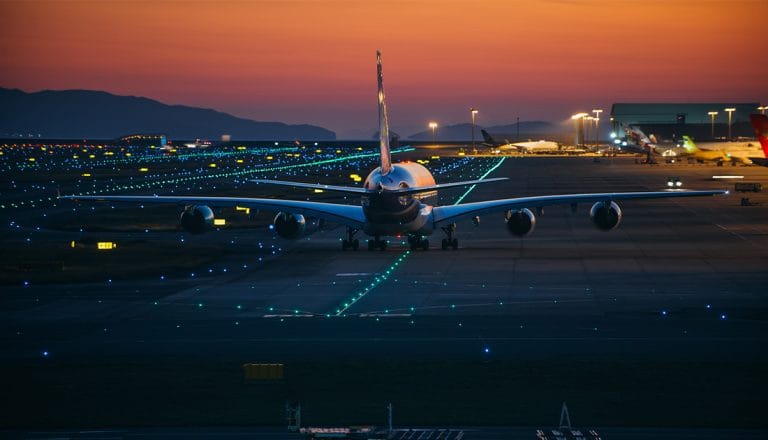
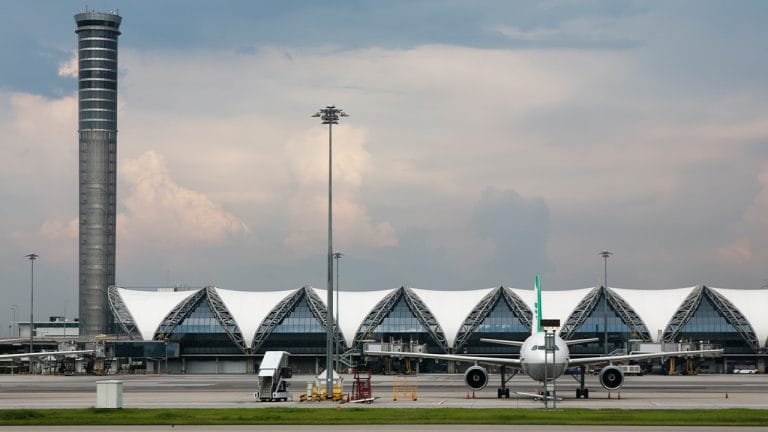
The new flagship project in the Eastern Economic Corridor (EEC) is EECiti, an economic and tourism hub that will include an international-standard theme park and sports complex. Progress on other EEC developments is slated to begin in 2026, including the expansion of U-Tapao International Airport and the Eastern Aviation City project.
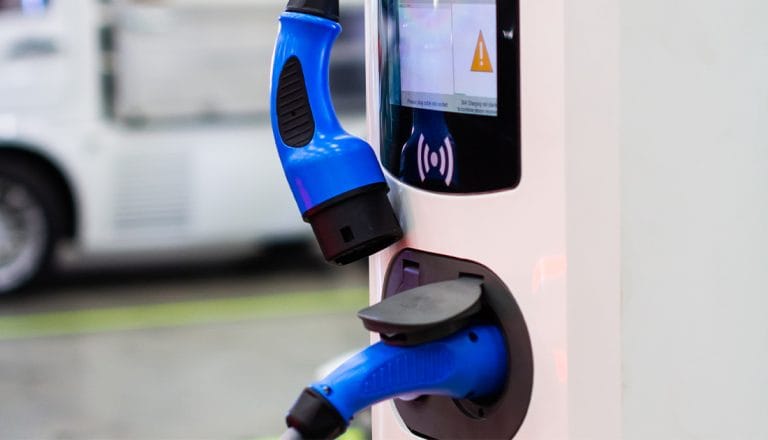
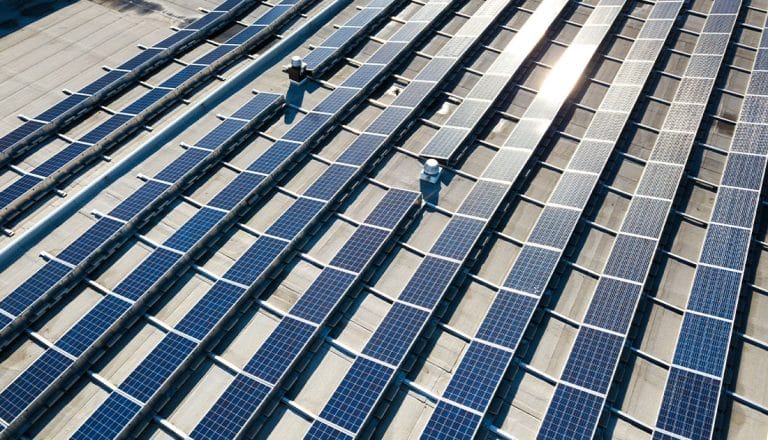
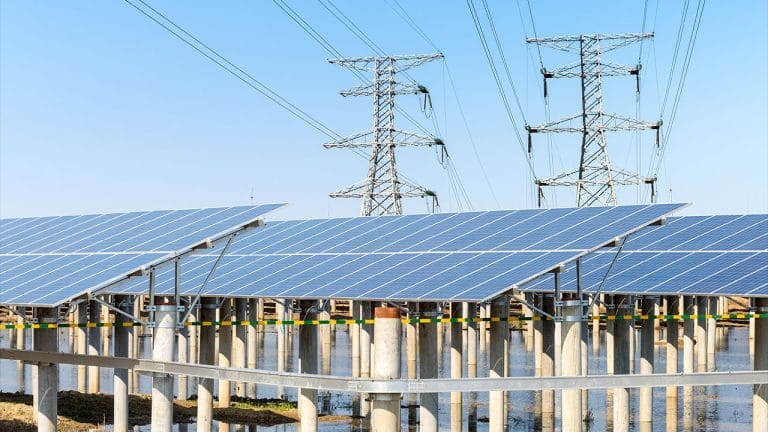
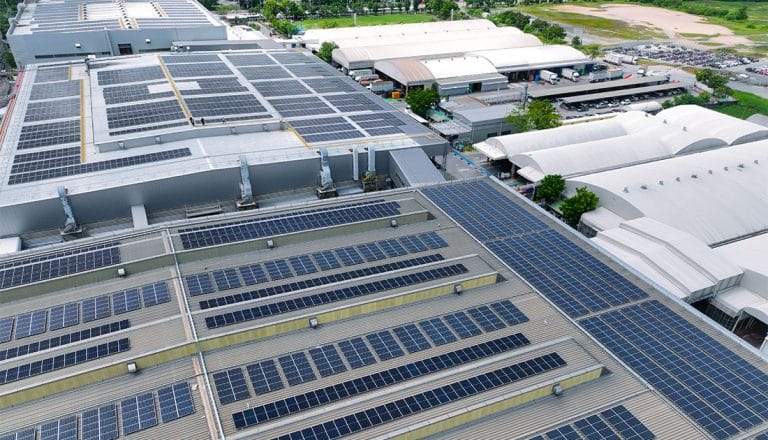
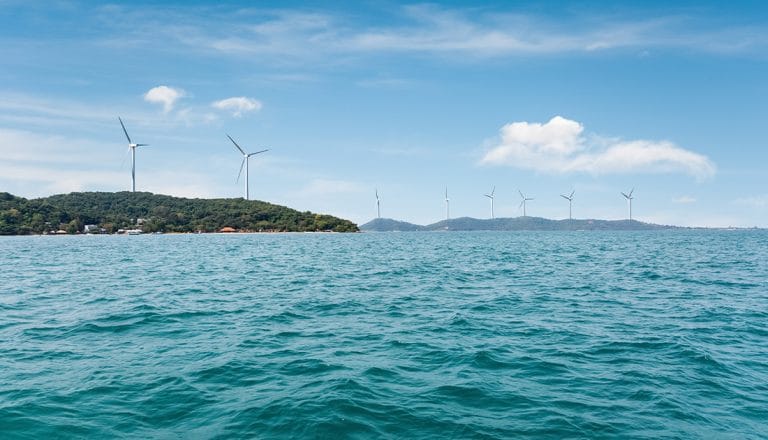
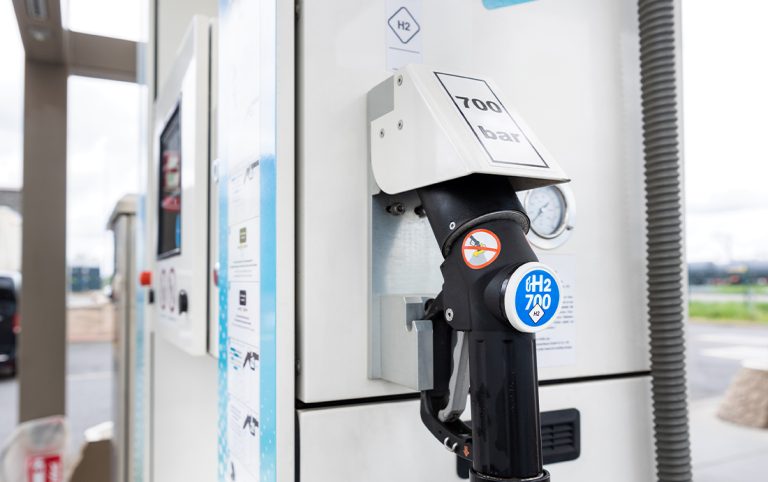
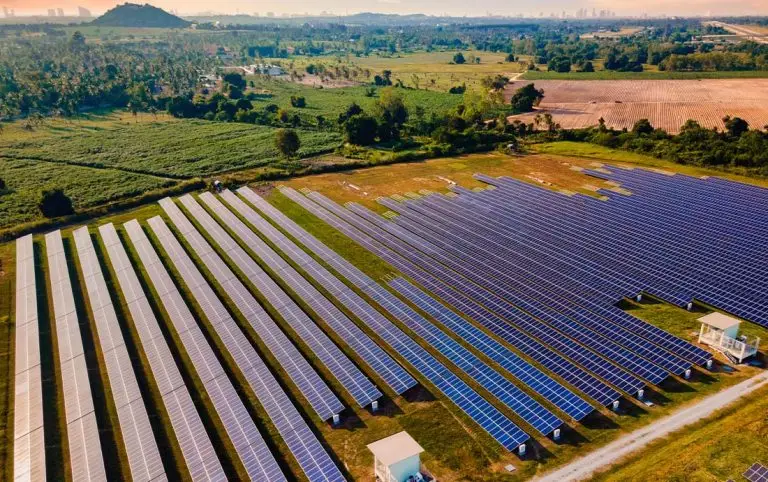
Meanwhile, Thailand’s Finance Ministry is exploring ways it can support clean-energy and future-economy infrastructure development. A potential solution could be launching a new phase of the Thailand Future Fund. Officials believe up to USD3 billion (THB100 billion) can be raised via the programme. Floating solar schemes and transport infrastructure capable of reducing energy consumption would be priorities under the plan.
Data centres continue to see significant investment. The Thailand Board of Investment (BOI) recently greenlit six major projects. The combined value of these is THB958 billion (USD29.5 billion).
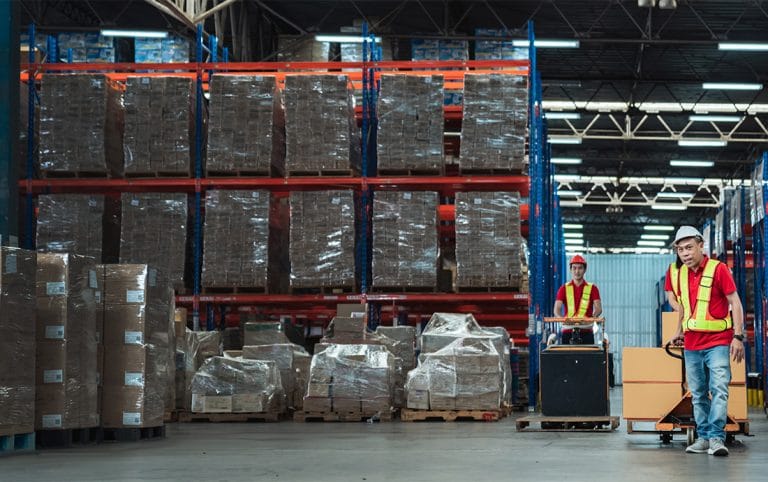
Finally, Thailand’s industrial real estate sector is expected to record significant investment in both warehouses and full-scale estates. The government is promoting the country as a strategic hub for businesses as they look to diversify their supply chains.
Thai Construction Industry Opportunities
Building Information Modeling (BIM) – While Thailand is still in the early stages of BIM adoption, the benefits of the technology should see this increase. In particular, the ability to optimise the decision-making process is appealing to firms wanting to reduce errors which can lead to costly delays and material waste.
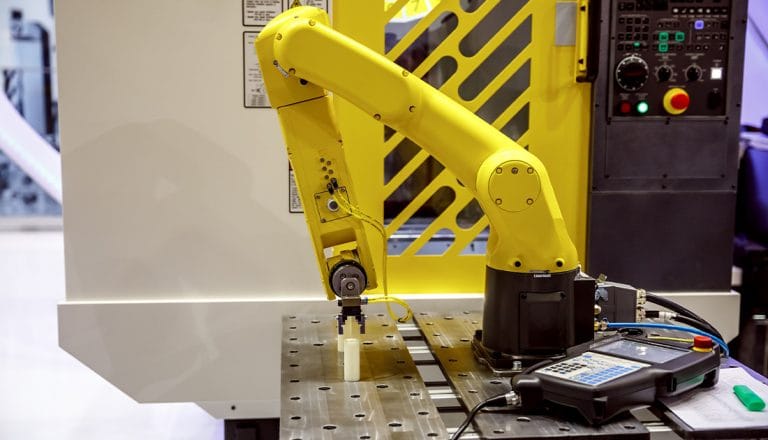
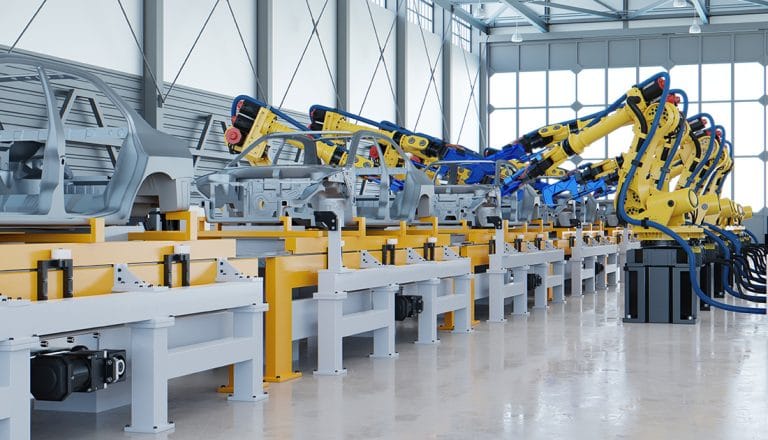
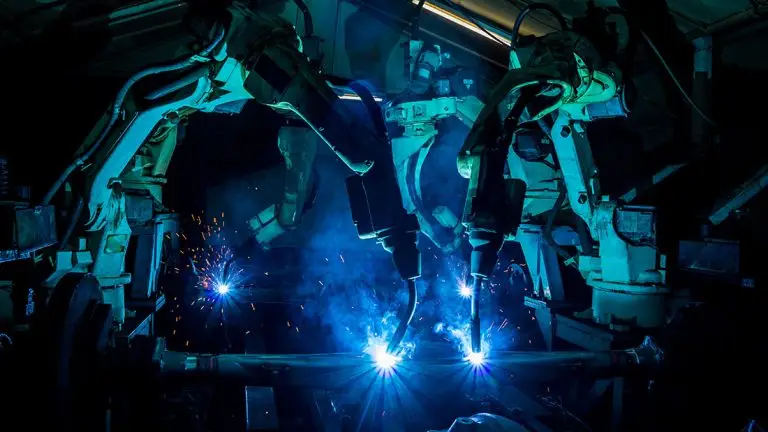
Robotics & Automation – Thai construction has been facing labour shortages for several years now and the problem shows no signs of dissipating. In fact, the border dispute with Cambodia caused even more issues since many building projects in Thailand relied on Cambodian staff.
Robotics capable of reducing the need for labour is highly sought after in the country. Similarly, automation is of interest. Pricing here is key. International firms must demonstrate how they can provide a real return on investment.
Sustainable construction solutions – Construction in Thailand is not abandoning sustainability goals, meaning solutions that reduce emissions and waste are desirable. Environmentally friendly building materials are becoming increasingly attractive as public awareness of their benefits grows.
Production – Thailand is a strong option for international building material manufacturers seeking to diversify their production. It allows them to be closer to both domestic and regional opportunities while taking advantage of the country’s favourable foreign investment policies. A number of European businesses have already shifted parts of their Chinese operations to Thailand.
Final Thoughts
Tapping into Thai construction industry opportunities requires a deep understanding of the market. A new entrant must be aware of demand as well as local intricacies that define partnerships. The process is not as simple as having a useful product or service.
Asian Insiders can help take the guesswork out of market entry. From conducting research on demand and readiness to locating potential sales channel partners and facilitating introductions, our team of in-country experts prepares everything needed to make an informed decision.
With several massive infrastructure projects under development and more in the pipeline, Thai construction firms are actively seeking ways to reduce costs and improve efficiency to offset rising material costs. Overseas businesses boasting the right products and services should begin exploring whether they can assist in these efforts.
To learn more, schedule a no-obligation call with Jari Hietala, Managing Partner: jari.Hietala (at)asianinsiders.com or Axel Blom, Managing Partner, Thailand, axel.blom(at)asianinsiders.com