- EV sales in Thailand recorded growth of almost 80 percent year-on-year in 2025 with production also up considerably
- EV infrastructure and after-sales service shortcomings in Thailand have come to light
- Knowledge and technology from Europe and elsewhere globally can potentially alleviate ongoing infrastructure and after-sales service issues
Sales and production of passenger EVs in Thailand recorded growth of nearly 80 percent and 632 percent year-on-year, respectively, according to figures from the Federation of Thai Industries. However, a focus on getting more cars on the road has led to weaknesses in other areas. The two largest may be a lack of infrastructure and after-sales service, which threatens to disenfranchise existing owners and scare away future buyers. Asian Insiders’ Partner in Thailand, Axel Blom, examines why overseas companies can help the country avoid this potential roadblock.
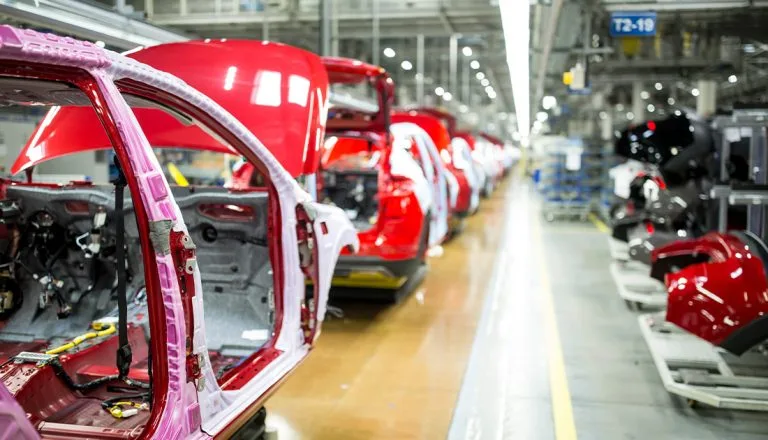
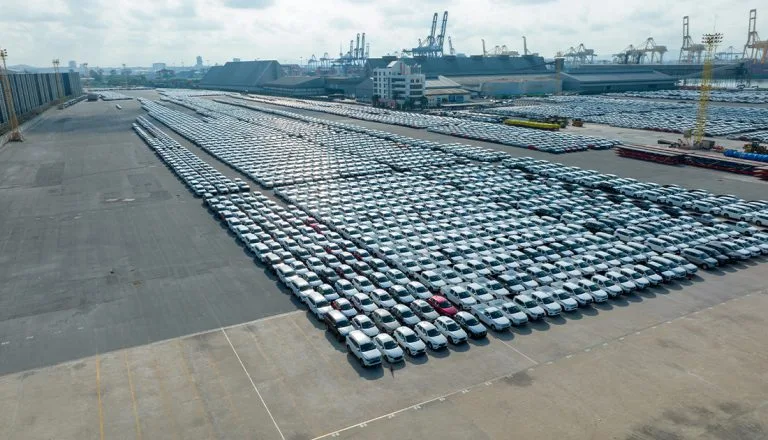
Early concerns about a potential downturn in Thailand’s automotive industry last year proved unfounded. According to the Federation of Thai Industries (FTI), approximately 1.45 million vehicles were manufactured in 2025, and it expects production totals to reach 1.5 million this year. While still down from 2022 and 2023 totals, the outlook remains positive.
There was no bigger silver lining than the performance of battery electric vehicles (BEVs), hybrid electric vehicles (HEVs) and plug-in hybrid electric vehicles (PHEVs). All three categories saw noticeable sales increases last year. On the other hand, FTI data showed sales of internal combustion engine vehicles fell by almost 17 percent in 2025.
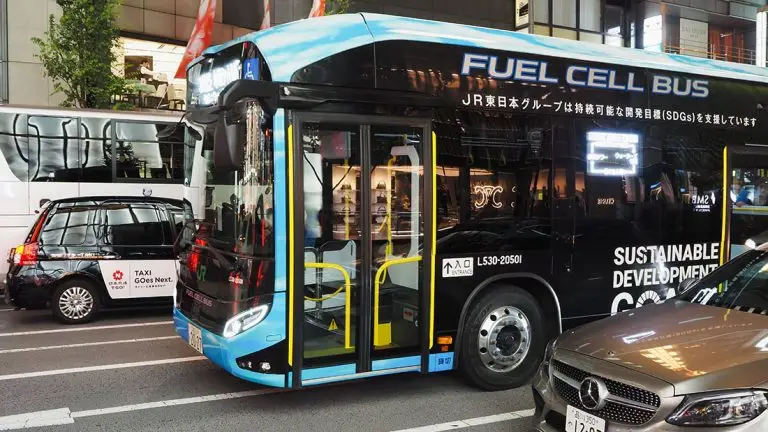
Electrification isn’t simply limited to passenger vehicles. The Bangkok Mass Transit Authority (BMTA) has around 500 EV buses currently in operation. This total is expected to exceed 1,500 by 2032.
Ride-hailing and food delivery app Grab is expanding its EV programme, making electric taxis and motorbikes more accessible to drivers. Large logistics players, including DHL, have begun rapidly electrifying their Thai fleet while exploring ways to improve efficiency.
In the water, electric ferries are only starting to scratch the surface of their full potential. The Asian Development Bank-backed Smart Bangkok Mass Rapid Transit Electric Ferries Project has been a success since launching at the start of the decade. A fleet of electric ferries now serves passengers along the Chao Phraya River in Bangkok. Several of Thailand’s tourist islands are now utilising these or are planning to in the near future.
New problems arise
More EVs rolling onto roads across Thailand over the past few years have exposed several challenges that must be addressed to support future growth. Insurance remains a potential obstacle as EV premiums rise.
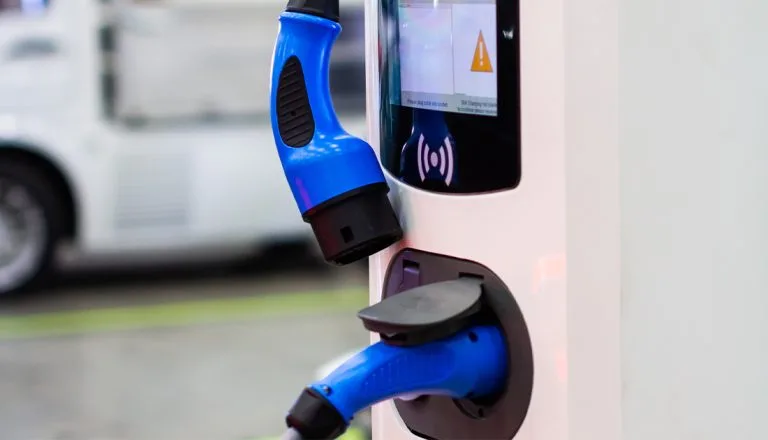
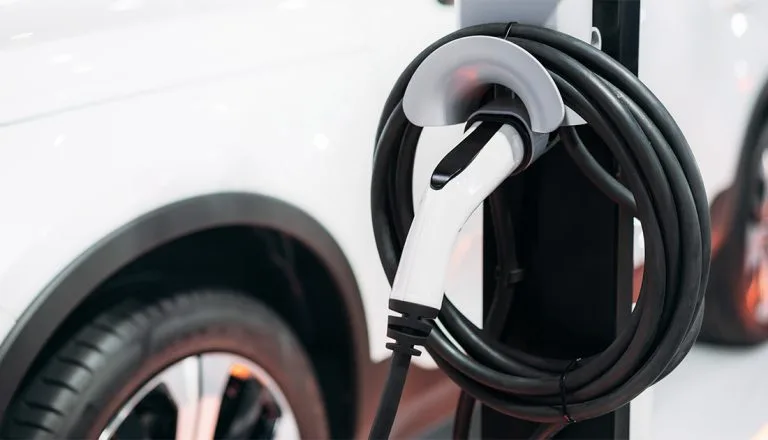
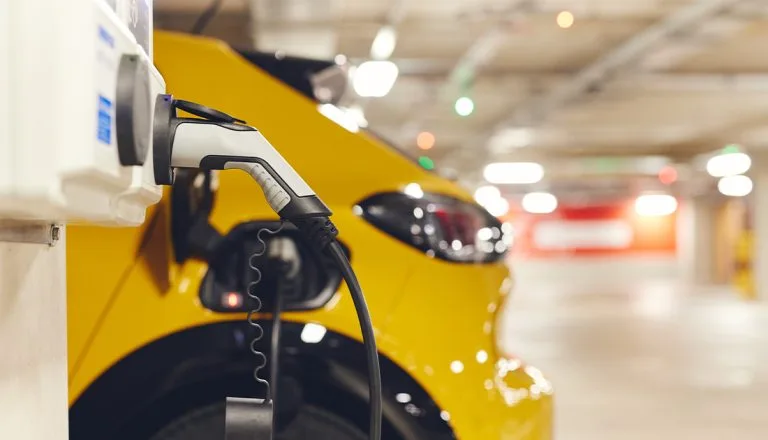
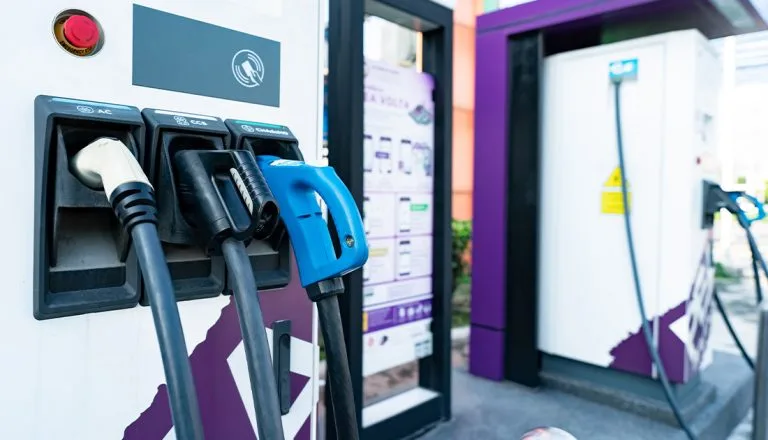
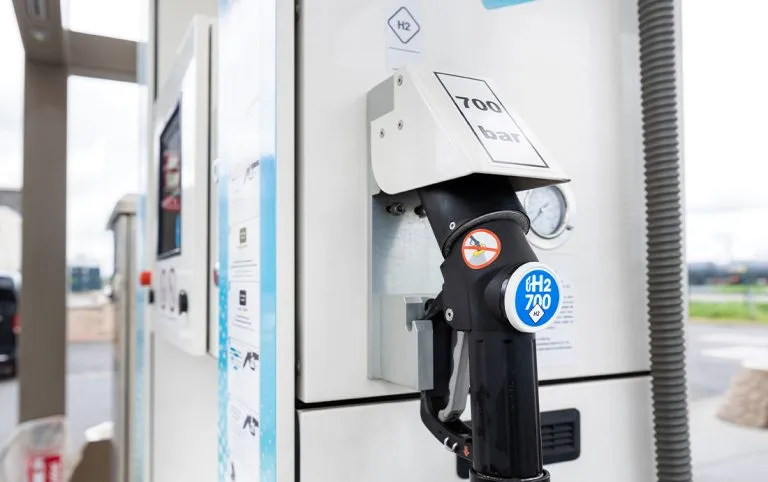
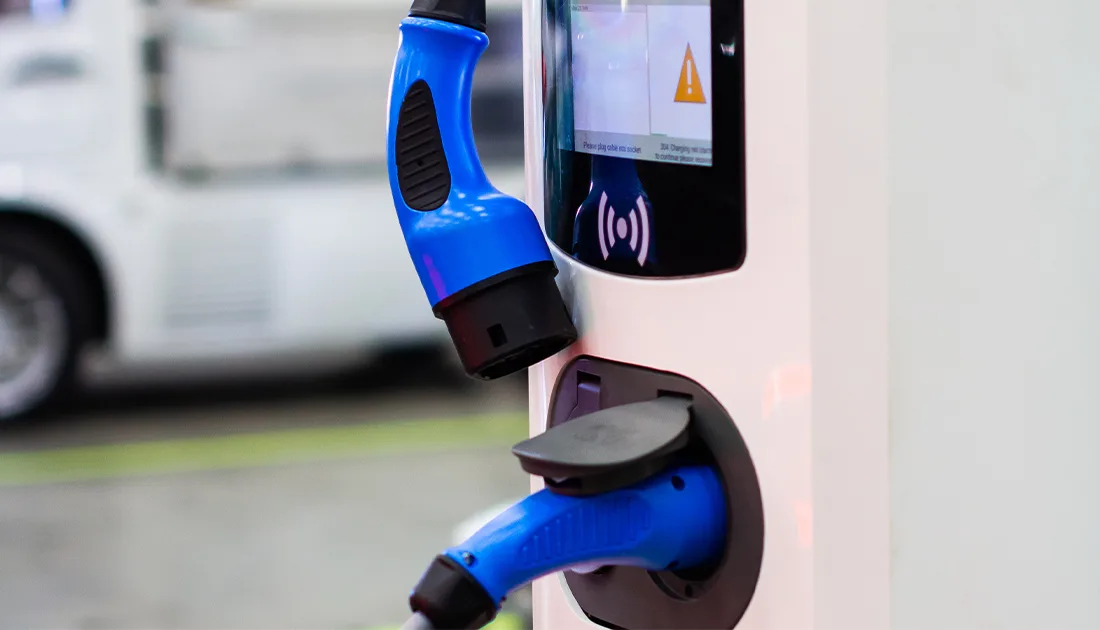
Infrastructure is another obstacle yet to be fully addressed. While charging stations are growing in numbers, improving accessibility beyond Bangkok, as well as the availability of fast charging, remains a work in progress.
A lack of EV after-sales services in Thailand poses a significant risk to growth as well. Stories continue to emerge about the difficulties of obtaining spare parts, battery replacements and scheduling maintenance, raising concerns that both potential buyers and existing owners could ditch BEVs.
Similarly, there is a growing number of electric ferries on the water, but the support infrastructure is still limited.
Thai EV growth creates opportunities
The issue facing the sector at present is simple. There are far more EVs on the road in Thailand than there are after-sales service providers and infrastructure facilities capable of supporting them. Manufacturers were so focused on moving cars that very few resources have been devoted to scaling what happens after a purchase.
Infrastructure opportunities
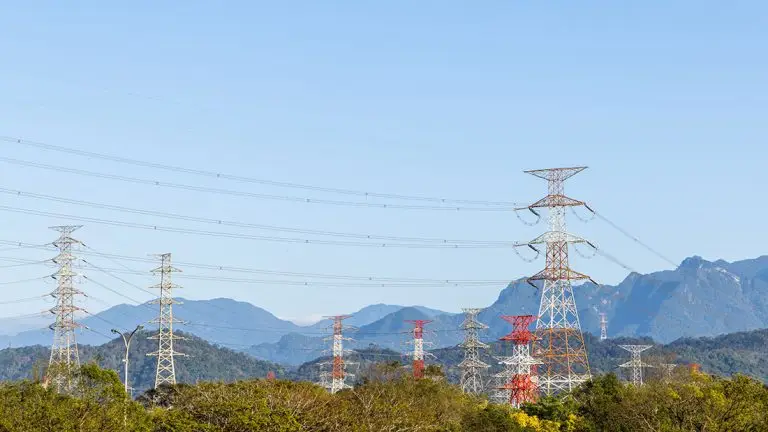
Thailand has made significant strides in improving EV infrastructure over the past few years. A survey from Roland Berger found that only 40 percent of EV drivers in Thailand believe charging infrastructure is insufficient with nearly all respondents claiming the situation has improved.
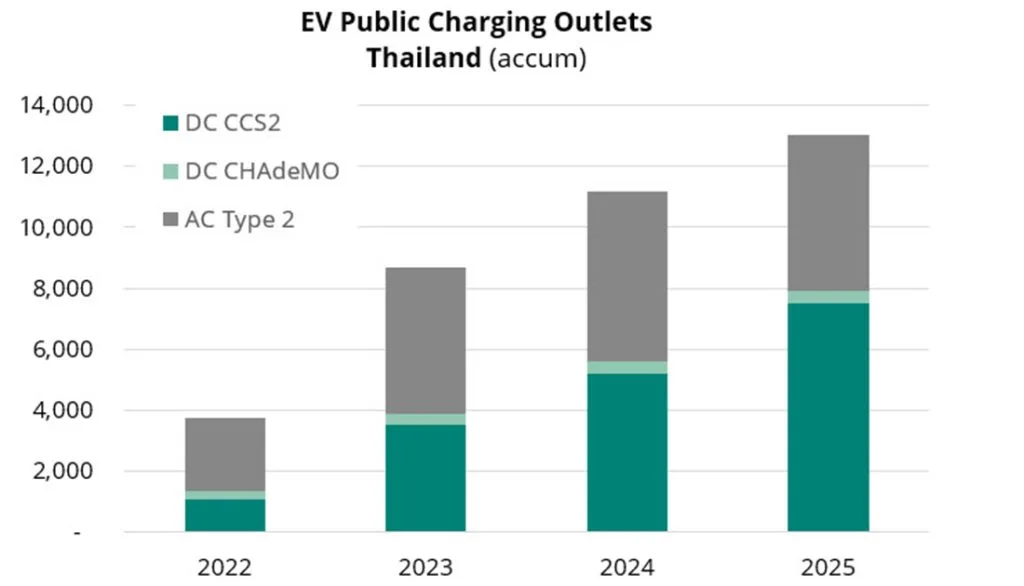
These are positive steps, but the journey is far from complete. The number of DC chargers in the country is lacking. The government has set a goal of having at least 12,000 DC chargers operational by 2030. Reaching the target will necessitate both investment and a rethinking of current infrastructure development.
At present, the majority of EV charging facilities are located at existing petrol stations with two or three ports typically available. Drivers can face headaches trying to find available spaces, as these can be reserved in advance. This layout can be especially problematic when traveling on highways.
The current model appears ill-suited to handle the country’s long-term EV ambitions. As seen in the development of EV infrastructure elsewhere globally, there is no single fix, and Thailand remains open to any solution that can help it address the issue.
Then there are the specialised solutions being sought after for electrified commercial fleets, buses and trucks. Companies are seeking infrastructure knowledge and innovation that can not only keep their vehicles on the road but also provide the greatest possible efficiency.
Another opportunity is for Battery Swapping Stations (BSS). Electric two-wheelers play a critical role in Thailand’s urban areas, especially for logistics and food delivery. Electrification of these fleets will require a robust network of charging and replacement facilities.
After-sales service opportunities
Social media posts and online forums in the country are full of examples of BEV owners being unable to quickly obtain a replacement part or fix an issue in a timely fashion. A 2025 report from Ipsos found Thai consumers remain concerned about the availability of properly trained technicians and maintenance centres.
Recently, the Thai subsidiary of Chinese automotive firm Chery Automobile admitted to the Bangkok Post that after-sales service is significantly lacking in Thailand. Speed is vital in developing this part of the EV value chain.
The need has created opportunities for European companies or those elsewhere globally with concrete experience and technology in EV after-sales services.
Thailand has struggled to develop a skilled workforce capable of carrying out tasks beyond basic EV maintenance and service. Understanding of battery handling, advanced diagnostics and complex software systems is all lacking at present. The country does have a significant number of skilled ICE mechanics; reskilling this group is a priority.
The limited availability of replacement parts is another sore spot for the Thai EV industry. While a few automotive manufacturers have built or are investing in domestic capabilities, others continue to rely on imports, slowing down the after-sales service process.
Opportunities for OEM parts producers specialising in EV components still exist. Additionally, producers in Thailand seek technology, manufacturing, management and organisational support for EV parts and components production as they transition away from being ICE-focused facilities.
The Thailand Board of Investment (BOI) continues to offer subsidies, tax breaks and other incentives as part of existing programmes with the latest, EV3.5, scheduled to expire in 2027. Even amid political uncertainty in recent years, each government has encouraged foreign investment in EV activities.
Thailand outlook
Passenger BEV sales in Thailand were initially predicted to increase by 40 percent last year. The figure ended up closer to 80 percent with more than 120,000 cars purchased. Growth in the sector has not been linear. However, Thailand accounts for more than half of Southeast Asian EV sales and will continue to pace the region.
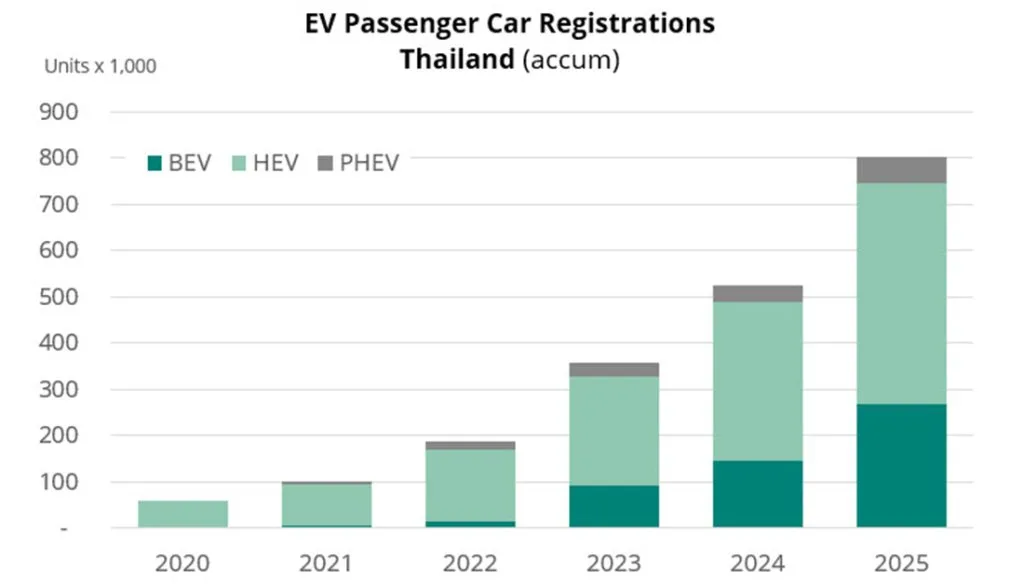
It is also important to factor in demand for infrastructure and after-sales services in a scenario where EV sales in Thailand remain stagnant. With so little investment in the segment to date, the opportunity is still large, even if growth is limited in the coming years. Importantly, the long-term outlook remains positive since the government is committed to the domestic adoption of zero-emission vehicles.
Looking ahead
The outcome of Thailand’s most recent election may affect the EV sector. It is a situation to monitor as there may be some adjustment of priorities, but the country’s overall commitment to a transition away from ICE vehicles and scaling of local production capabilities will likely carry on.
In terms of passenger EVs, an end may be in sight for the ongoing price wars. Krungsri Research noted that local production should increase, allowing manufacturers to become more profitable. The issue became pronounced when competition in China’s EV market spilled over into Thailand with the arrival of new market entrants.
Some have already fallen by the wayside. Neta’s Chinese parent company, Hozon Auto, declared bankruptcy in July 2025. The Thai Ministry of Finance recently announced it will file a lawsuit to claw back subsidies. Meanwhile, Neta owners in the country struggle with limited after-sales service options available.
BEV buyers are becoming increasingly aware of current issues. Price will remain important, but it is no longer the sole factor in purchasing decisions.
Meanwhile, businesses are motivated to electrify their fleets to realise cost savings and meet emissions reduction targets. It is a similar story for the Thai government, which is moving to electric buses and ferries.
With so much already invested in the transition from ICE vehicles to EVs, expect the public and private sectors to find ways to remove these roadblocks.
Preparing for Thailand market entry
Thailand is actively searching for solutions to its infrastructure after-sales service issues. This means now is the time to explore market entry. As mentioned previously, the country is open to foreign investment and partnerships, although the process is not without complications.
Working with a specialist, such as Asian Insiders, is the best way to remove the guesswork from market entry in Thailand. We have extensive experience assisting overseas companies entering the Thai automotive industry and can ensure your road to success is a smooth one.
To learn more, schedule a no-obligation call with Jari Hietala, Managing Partner: jari.Hietala (at)asianinsiders.com or Axel Blom, Managing Partner, Thailand, axel.blom(at)asianinsiders.com