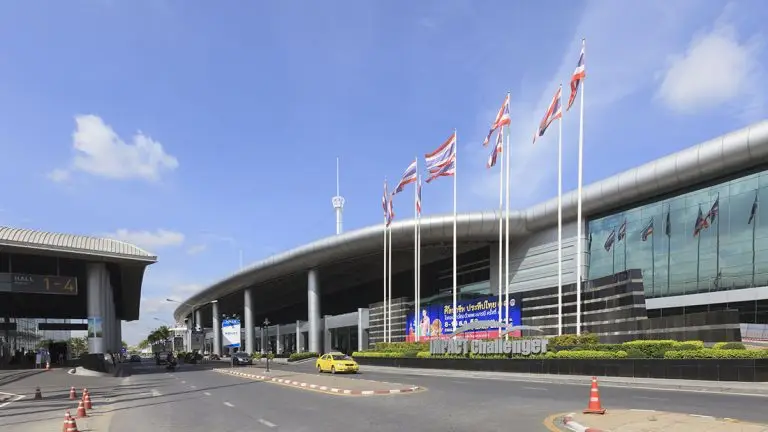
- Asian air travel continues to grow with international passenger travel up by 10 percent and cargo demand increasing by seven percent in 2025
- The majority of the world’s busiest domestic and cross-border flight routes are situated in Asia
- Several countries lack maintenance, repair and overhaul facilities while technology remains in demand
The Asian air travel sector has become the global leader with the majority of the most popular domestic and cross-border routes emanating from the region. However, increasing competition and geopolitical concerns potentially affecting airspace availability and demand have raised concerns about what the future may bring. Asian Insiders Managing Partner Axel Blom explains why the outlook remains strong despite potential obstacles and highlights a few opportunities available for international companies.
The metrics surrounding Asian air travel in 2025 were resoundingly positive once again. According to the Association of Asia Pacific Airlines (AAPA), international passenger travel increased by 10 percent and cargo demand was up by seven percent during the first three quarters of 2025.
This makes Asia both the largest and fastest-growing region in terms of flights. China and India are driving the passenger sector with routes between the two resuming last year. A number of other considerations, such as robust GDP growth and relaxed visa regulations in several Southeast Asian countries, are supporting gains.
In OAG’s Busiest Flight Routes of 2025 report, it was revealed that nine of the top 10 busiest domestic routes were located in Asia, including the top four. Meanwhile, seven of the top 10 busiest international air routes were Asian connections. Most of these are now operating well above pre-pandemic levels.
Air cargo in Asia also surged in 2025. The International Air Transport Association (IATA) found that demand here rose by 8.3 percent year-on-year in October and increased for the majority of last year. The region’s pivot away from North America is worth highlighting.
IATA data shows air freight volumes between Asia and Europe have increased for 32 straight months while intra-continent volumes are up for 24 consecutive months. Meanwhile, these have decreased between Asia and North America for six months in a row.
The Asian air travel outlook for 2026 and beyond
As the calendar turned from 2025 to 2026, many wondered if Asian air travel will continue to reach new heights. There are certainly some challenges the sector must overcome, but industry-wide projections remain positive.
Passenger traffic in the Asia Pacific region is projected to increase by more than seven percent in 2026, according to IATA estimates. China remains the largest market while India continues to record impressive growth. Several countries in Southeast Asia, such as Vietnam, Thailand and the Philippines, are also expanding.
Research from the Airports Council International Asia-Pacific & Middle East found that air cargo volumes in Asia-Pacific should increase by more than four percent this year. The sector has been buoyed by supply chain diversification which has led manufacturers to connect operations in China to other parts of the world.
Looking long-term, Airbus believes the Asia-Pacific region will account for a growing number of new jet deliveries over the next 20 years. The manufacturer projects passenger traffic in the region should increase by at least four percent annually during this span.
Additionally, Boeing has said South Asia could become the fastest-growing commercial aviation market over the next twenty years. Capacity may expand by as much as fourfold during the period, and some estimates forecast annual growth to reach eight percent.
The opportunities
Significant growth in Asian air travel has led to a number of issues or shortcomings that stakeholders are now seeking to address. This has created a range of opportunities for firms with the necessary tools and experience.
Technology, and in particular AI innovations, that can improve operational efficiency and reduce costs are being sought after. For example, AI-powered maintenance scheduling systems and air traffic monitoring are increasingly used by airlines and airports. Overall, the value of aviation industry-related AI could near USD1 trillion by 2030.
There is also a growing need for local maintenance, repair and overhaul (MRO) capabilities. The growth of these has not kept up with the rise of air travel in several Asian countries, resulting in costly delays in ensuring aircraft are operational.
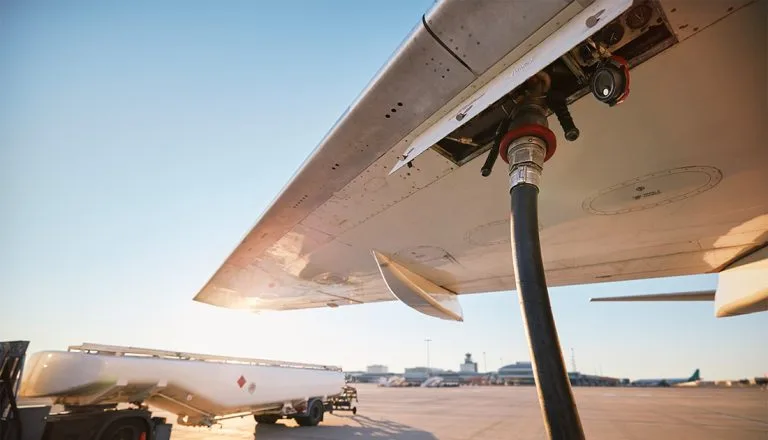
Sustainability is another focus area for the industry which is aiming to reach Net Zero by 2030. Progress on sustainable aviation fuel (SAF) has been slow, and it is expected to only make up one percent of total fuel consumption this year. Change is expected to come quickly.
Flights departing Singapore are now required to use SAF with minimum levels to rise over the next few years. The country recently approved an SAF levy to support usage and industry growth. South Korea’s SAF mandate will start in 2027. Japan has committed to replacing 10 percent of jet fuel consumption with SAF by 2030. A race is now on in several markets to develop the value chain.
The challenges
The continued growth of Asian air travel could be derailed by several challenges. Firstly, governments need to develop supportive environments for the above-mentioned sectors. Failing to do so will hinder investment and exacerbate difficulties caused by a lack of MRO facilities or access to SAF.
Air cargo is, of course, tied to global trade. Asia has remained resilient due to a pivot away from North America. However, it is vulnerable to broader global volatility, especially as it relates to manufacturing.
Finally, new aircraft delivery delays have caused issues for airlines. Issues with tariffs and supply chains caused Boeing to postpone scheduled deliveries in 2025. The situation can drag down the wider industry in Asia which is dependent upon these to support growth.
Entering the Asian air travel industry
Entering Asia requires a strategic approach that identifies relevant opportunities and markets. There is much more to the process than simply choosing the largest country or the one with the least competition.
Working alongside a market entry specialist, like Asian Insiders, can ensure you avoid these common mistakes. Our robust network of in-country experts has extensive knowledge of the aviation industry, as well as the connections needed to get started. Growth is expected in 2026 and beyond, making this year ideal to explore where your company fits into the picture.
Asian Insiders is positioned to help you find success in the Asian air travel sector. To learn more about opportunities currently available, schedule a no-obligation call with Axel Blom, Managing Partner, Thailand, axel.blom(at)asianinsiders.com or Jari Hietala, Managing Partner: jari.Hietala (at)asianinsiders.com