- The digital economy in Southeast Asia will surpass USD300 billion this year and is projected to reach USD2 trillion by 2030
- Approval of the world’s first region-wide digital economy agreement, the ASEAN Digital Economy Framework Agreement, could occur in the next few months
- Digital economy opportunities in the region include AI, data centres and fintech
The digital economy continues to create a wealth of opportunities across Southeast Asia. These aren’t limited to being directly involved in it. On the contrary, supporting growth has become a business in its own right. For overseas firms considering entry or expansion, identifying the best markets in the present can help bolster long-term regional prospects. Asian Insiders Managing Partner Jari Hietala shares a sector update and explains where opportunities related to digitisation in the region can be found.
The digital economy can no longer be dismissed as a buzzword or idea in Southeast Asia. A concept that won’t impact businesses today. Its reach is widespread, not limited to specific countries, consumer groups or even industries.
Look at the growth of the region’s digital economy for proof of that. According to a report by Google, Temasek, and Bain and Company, the Southeast Asian digital economy will surpass USD300 billion this year. The figure is USD100 billion more than Google’s 2015 estimate. By 2030, it could exceed USD1 trillion or perhaps USD2 trillion if the ASEAN Digital Economy Framework Agreement is approved.
Interestingly, growth is not limited to a select few countries. The rise of the digital economy is being witnessed throughout Southeast Asia and has become a key contributor to GDP. Here is a look at 2024 totals:
Malaysia: Digital economy accounted for 23.4% of GDP
Singapore: Digital economy accounted for 18.6% of GDP
Vietnam: Digital economy accounted for 18.3% of GDP
Indonesia: Digital economy accounted for 8.4% of GDP
Thailand: Digital economy accounted for 7.3% of GDP
Each figure has grown notably over the past decade, driven by the proliferation of smartphones and rising internet penetration. This has led to a change in consumer habits, including how people pay for goods.
Research from Milieu Insight found 64 percent of Filipinos and 57 percent of Indonesians now prefer digital wallets for routine transactions. In Thailand, the preference for cash and digital wallets when making a purchase is now equal. The popularity of non-cash transactions is strong in Malaysia, Singapore and Vietnam.
There is another trend that must be highlighted. Firms connected to the digital economy are becoming profitable. Revenue across Southeast Asia is projected to reach USD135 billion this year. Improving profitability will likely lead to greater investment in activities.
What is driving the digital economy in Southeast Asia?
From a business perspective, e-commerce continues to drive the digital economy in Southeast Asia. It remains the largest segment and sales could approach USD200 billion this year. Online shopping has become pervasive throughout the region. Competition remains fairly high, although some consolidation has been seen in recent times and players are now becoming profitable.
Food delivery, transportation, online travel and online media are also other key contributors to the digital economy. All have recorded significant growth over the past decade and are now widely accepted.
On the regulatory side, governments across the region continue to implement policies to support the development of their respective digital economies. These include schemes to promote the use of digital products and supporting companies in their digitisation efforts. Educational campaigns and various outreach programmes, especially in rural areas, remain ongoing in select countries.
At the regional level, work continues on finalising the ASEAN Digital Economy Framework Agreement in the next few months. This would provide a single set of digital trade rules for ASEAN and provide governance on key issues. Once approved, it will become the world’s first region-wide digital economy agreement.
Opportunities in the Southeast Asian digital economy
AI – Singapore’s state investment firm, Temasek, has noted an increase in both AI investment and usage. The sector lags behind other parts of the world, but this is expected to change in the coming years.
For overseas AI organisations considering Southeast Asia, the keys are effectiveness and affordability. Proven tools in healthcare, transportation, manufacturing and other key industries are in high demand.
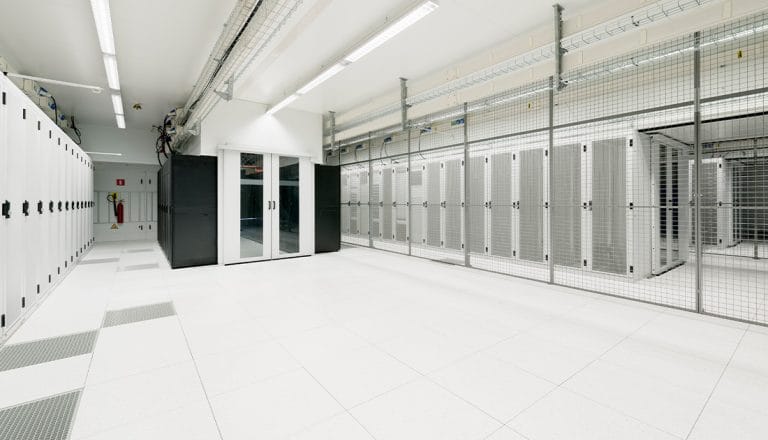
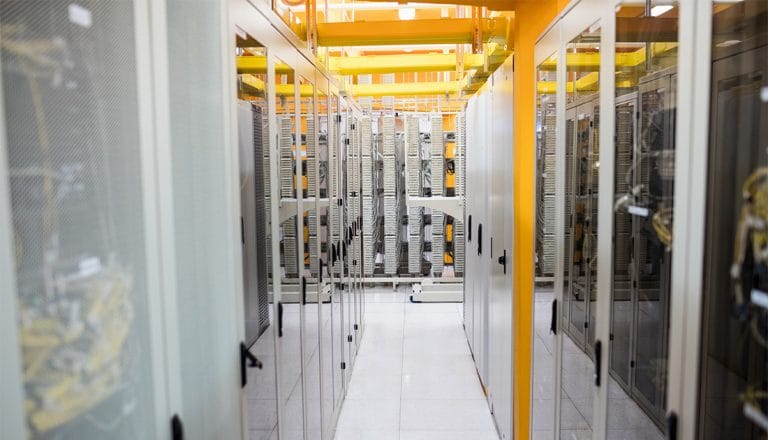
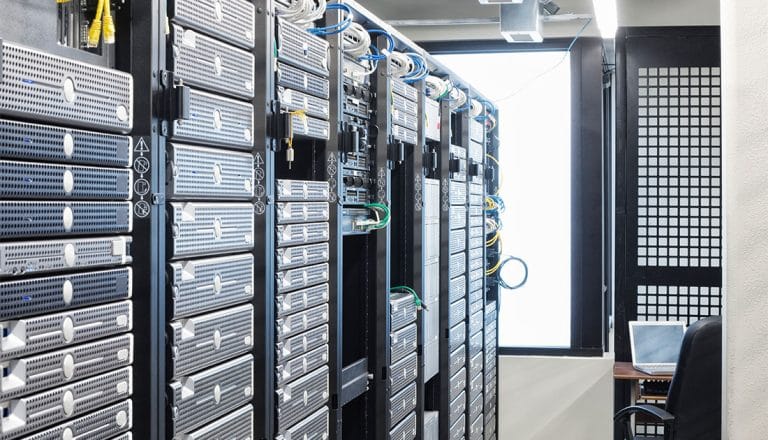
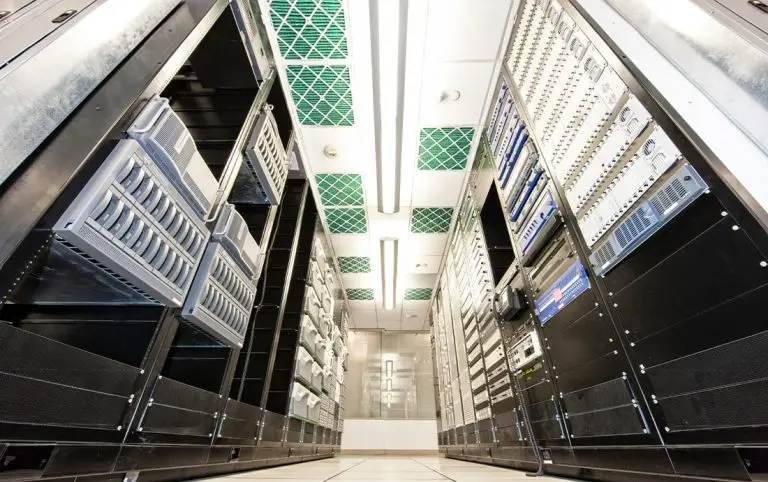
Data centres – Rapid digitisation across Southeast Asia has created a massive need for data centres. Capacity in some markets is predicted to double by 2030. Even this may not be able to keep up with the demand for storage.
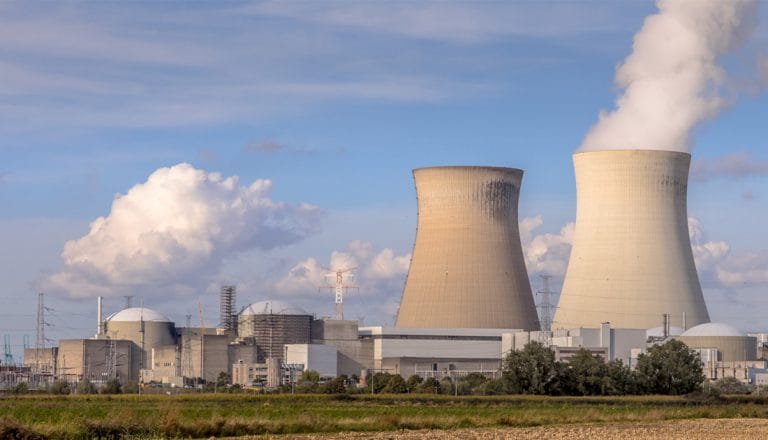
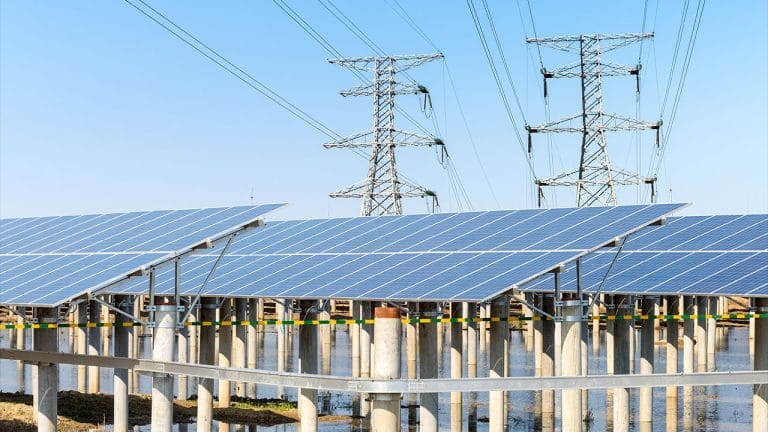
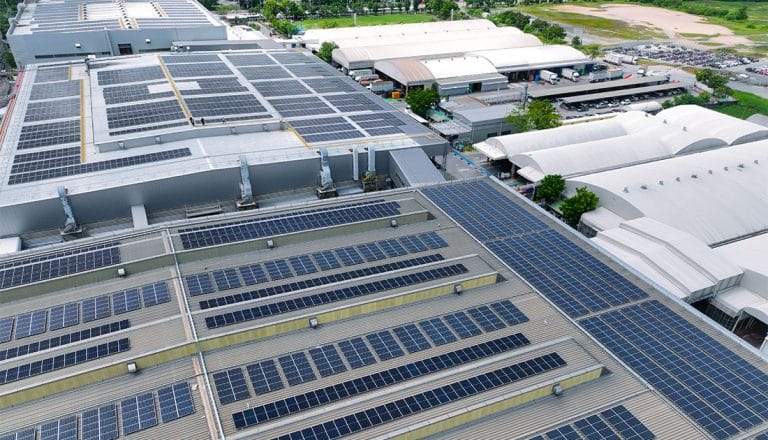
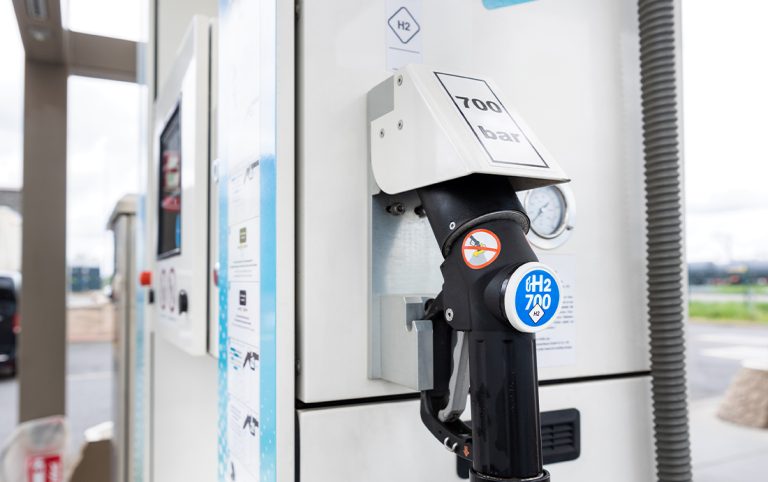
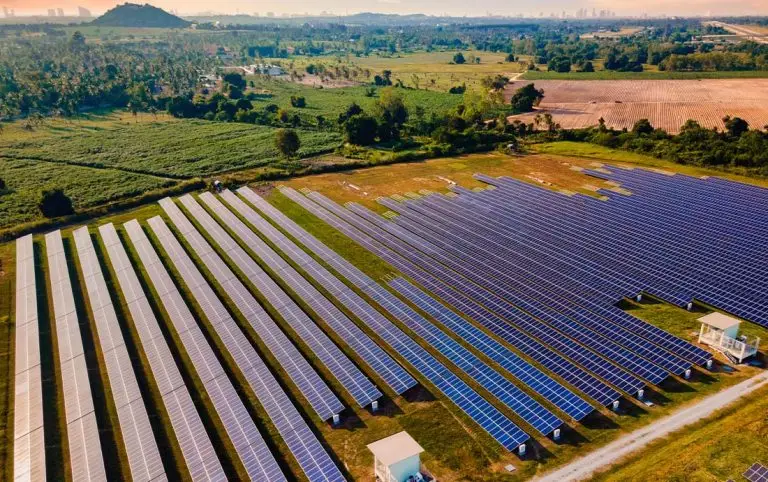
Beyond facilities, there is interest in solutions that allow facilities to operate more efficiently. Finding clean energy to power them is another need. Renewables and low or zero-emission sources, such as hydrogen and small modular reactor (SMR) nuclear, are being considered by a growing number of data centre players.
Fintech – Digital financial services and other fintech-related innovations could be the next frontier for the Southeast Asian digital economy. Countries have begun developing clearer guidelines on the operation of these which had previously limited growth.
While digital payments are now fairly widespread, opportunities for specialised solutions, such as InsurTech and WealthTech, are available. What is needed varies quite a bit by country. Additionally, local regulations may require adjustments to some product offerings.
Final thoughts
The digital economy in Southeast Asia hasn’t come close to reaching its full potential. Several countries are still in the early stages of developing capabilities while even those further along, such as Singapore, contain a lot of room for further growth.
A few opportunities were mentioned earlier in the article, but it’s worth mentioning that these are not the only areas for investment. Solutions and technology of all types are sought after.
Meanwhile, the passage of the ASEAN Digital Economy Framework Agreement would provide companies with a platform to easily enter new markets under a single set of rules, adding another dimension to growth.
All this being said, Southeast Asia can be a difficult region to navigate without local assistance and knowledge. Each country’s digital economy has developed at a different pace with different areas of emphasis. Market entry isn’t about need as much as it is fit.
Where does a product, service or technology fit into the local digital economy ecosystem? Answering that question is best done with guidance from a specialist such as Asian Insiders. From market analysis to sales channel development and crafting a long-term growth strategy, our team of in-country experts has extensive experience helping overseas companies win in Southeast Asia and beyond.
To learn more, schedule a no-obligation call with Jari Hietala, Managing Partner: jari.Hietala (at)asianinsiders.com